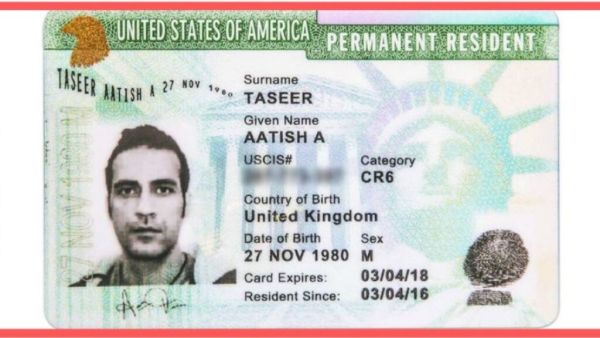
In a significant immigration ruling, the US Supreme Court has held that lawful permanent residents, commonly known as Green Card holders, can be denied automatic re-entry into the United States if border officials determine they are accused of certain criminal offences. The 6-3 decision strengthens the federal government’s authority over immigration enforcement and could have far-reaching implications for permanent residents travelling abroad.
The ruling arose from the case of Muk Choi Lau, a Green Card holder who was placed on immigration parole after returning from a trip overseas because of allegations to a counterfeiting offence.
What the Supreme Court Decided
The Supreme Court ruled that US border officers do not need “clear and convincing evidence” that a Green Card holder committed a qualifying crime before treating that individual as someone seeking admission into the country rather than allowing automatic re-entry as a lawful permanent resident. Justice Clarence Thomas wrote the majority opinion, which was supported by the court’s conservative majority.
The decision means immigration officials have broader discretion to place certain returning Green Card holders into immigration proceedings if they are accused of offences covered under US immigration law, even before a criminal conviction has been secured.
Background of the Case
The case centred on Muk Choi Lau, who had been living in the United States as a lawful permanent resident. After returning from a short visit to China in 2012, immigration authorities placed him on immigration parole because he had been accused of involvement in a counterfeiting scheme.
Lau later pleaded guilty to selling counterfeit goods but challenged the government’s decision, arguing that immigration officers lacked sufficient evidence to deny him automatic re-entry when he arrived at the border. The Supreme Court ultimately rejected that argument.
Why the Ruling Matters
Normally, Green Card holders returning from brief trips abroad are allowed to re-enter the United States without being treated as new arrivals. However, US immigration law contains several exceptions, including cases involving certain criminal offences.
The latest ruling makes it easier for border officials to invoke those exceptions, potentially placing returning permanent residents into removal proceedings where they may face detention or deportation while their cases are decided.
Immigration experts say the judgment could particularly affect Green Card holders with pending criminal cases or allegations involving offences classified as crimes involving moral turpitude under US immigration law.
Strong Dissent from Liberal Justices
Justice Ketanji Brown Jackson, joined by Justices Sonia Sotomayor and Elena Kagan, strongly disagreed with the ruling. In her dissent, Jackson argued that the decision gives immigration authorities excessive power and weakens long-standing legal protections available to lawful permanent residents.
She warned that the judgment could leave Green Card holders vulnerable to detention and removal based on accusations before their criminal liability has been fully established in court.
Impact on Green Card Holders
The ruling does not mean every Green Card holder accused of a crime will automatically lose permanent resident status. However, it gives border officials greater authority to deny automatic admission and initiate immigration proceedings when returning residents fall within specific statutory exceptions.
For lawful permanent residents facing criminal investigations or charges, immigration lawyers advise seeking legal guidance before travelling outside the United States, as international travel could now carry greater legal risks.
Summary
The US Supreme Court has ruled that border officials may deny automatic re-entry to Green Card holders accused of certain crimes, even without clear and convincing evidence at the border. The 6-3 decision expands immigration authorities’ powers and could expose lawful permanent residents with pending criminal allegations to detention or removal proceedings upon returning to the United States.
-
ACB uncovers Rs 87 lakh assets from Karimnagar excise official

-
Mortal remains of four Indians killed in Qatar blast repatriated

-
Friday OTT Releases: Raja Shivaji, Avatar: Fire And Ash And 10 More New Films And Series To Stream This Weekend

-
How to use AI more sensibly – and sustainably

-
Adani Group Launches 'Vande Bharatam' Initiative To Back Startup Founders