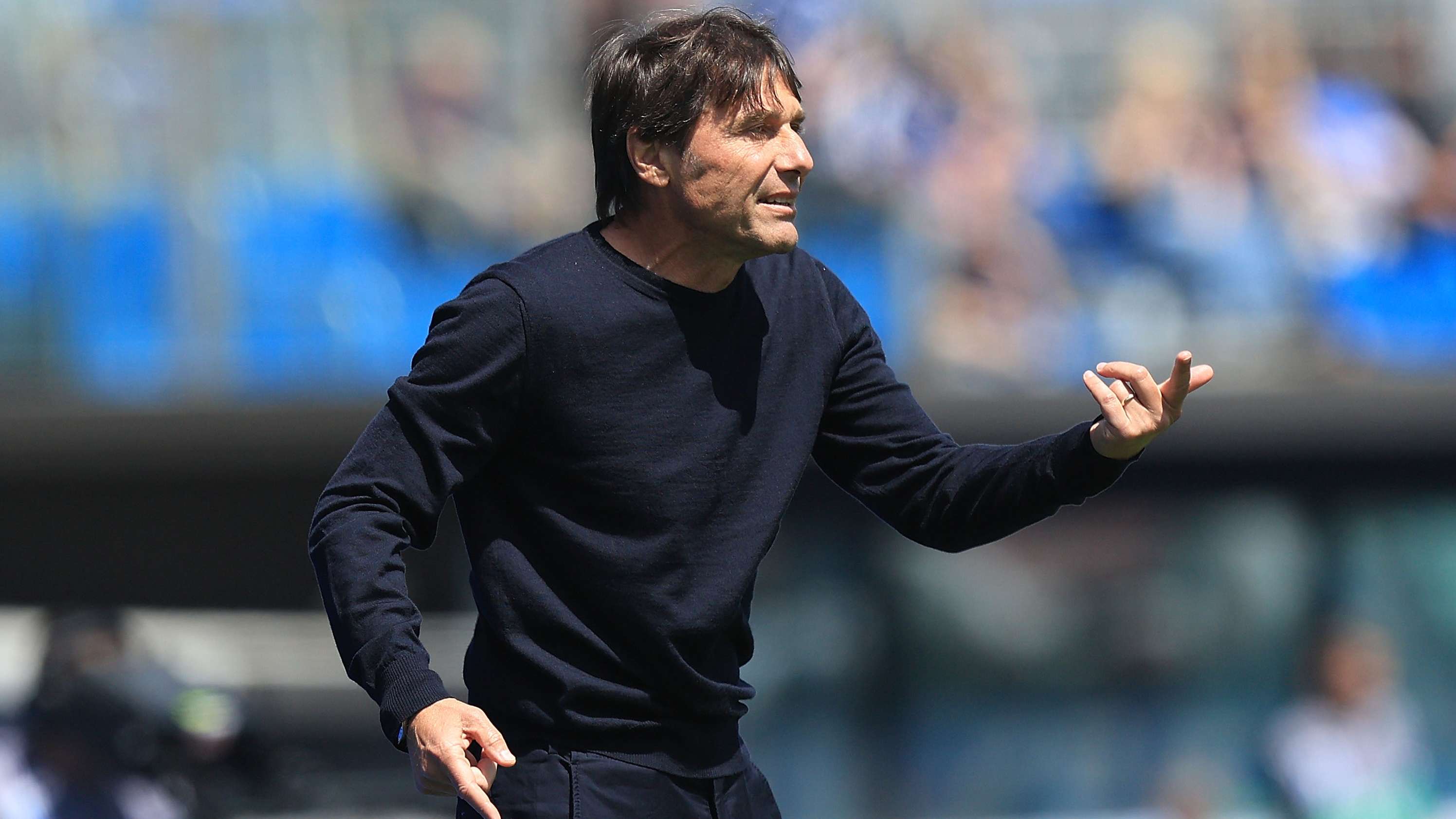
Italy have once again turned to a familiar and trusted figure to guide the national team out of its most difficult period in decades. Antonio Conte is set to return to the Azzurri bench, tasked with restoring national pride and steering the four-time world champions back to prominence on the world stage.
A long-term vision for a proven winner
The Italian Football Federation (FIGC) has chosen to entrust its future to a coach who has repeatedly shown he can succeed at the highest levels. As reported by La Gazzetta dello Sport, Conte’s return is not intended as a short-term fix. The former Juventus, Chelsea, and Napoli boss is expected to sign a four-year contract, designed to provide stability up to the 2030 World Cup, which will take place across Spain, Portugal, and Morocco.
This long-term agreement reflects a clear strategic vision. Beyond tactical refinement, Italy requires a complete cultural reset following recent failures. By committing Conte until 2030, the FIGC is signalling the end of temporary stopgap measures. The objective is to re-establish Italy among football’s elite, with Conte viewed as the only figure possessing the drive and discipline to see such an ambitious project through.
Serie A clubs welcome the decision
The enthusiasm for Conte’s return extends beyond the federation, with several Serie A clubs reportedly supporting the move. Within the domestic game, Conte is seen as a symbol of total dedication. His relentless work ethic and ability to push players to their limits make him the ideal leader for a national revival. Many believe his presence will elevate standards across the entire Italian football system.
Conte’s performance at Euro 2016 remains a benchmark of tactical brilliance. Despite managing a squad perceived as limited, he led Italy to within a penalty shootout of the semi-finals, defeating Spain and taking Germany to the brink. His departure after that tournament left a lingering void, and his return is viewed as an opportunity to complete the mission he began nearly a decade ago.
Building towards the 2030 World Cup
Conte’s path back to the national team opened following his departure from Napoli and the Stadio Diego Armando Maradona. The 56-year-old reached a mutual agreement with Napoli to terminate his contract, despite guiding them to both the Scudetto and the Super Cup. He reportedly told the club’s hierarchy that he felt the project had run its course, citing difficulties in maintaining a unified environment.
The core focus of his new role will be the 2030 horizon. After the painful play-off defeat to Bosnia-Herzegovina that confirmed Italy’s absence from a third consecutive World Cup, the FIGC is determined to find a coach capable of building a squad without the constant pressure for immediate success. The four-year plan is essential, allowing Conte to implement his meticulous methods across a full World Cup cycle so that Italy not only qualifies for the next tournament but does so as a genuine title contender.
Ending the World Cup nightmare
Italian football is desperate to rebuild after the agony of missing three consecutive World Cups. By turning to Conte, the federation seeks a dependable leader with a record of achieving results under extreme pressure. The appointment is a calculated strategy aimed at preventing further international embarrassment and re-establishing Italy’s footballing identity. Ultimately, Conte’s mission is to stabilise the Azzurri and restore their standing among the world’s footballing powers.
-
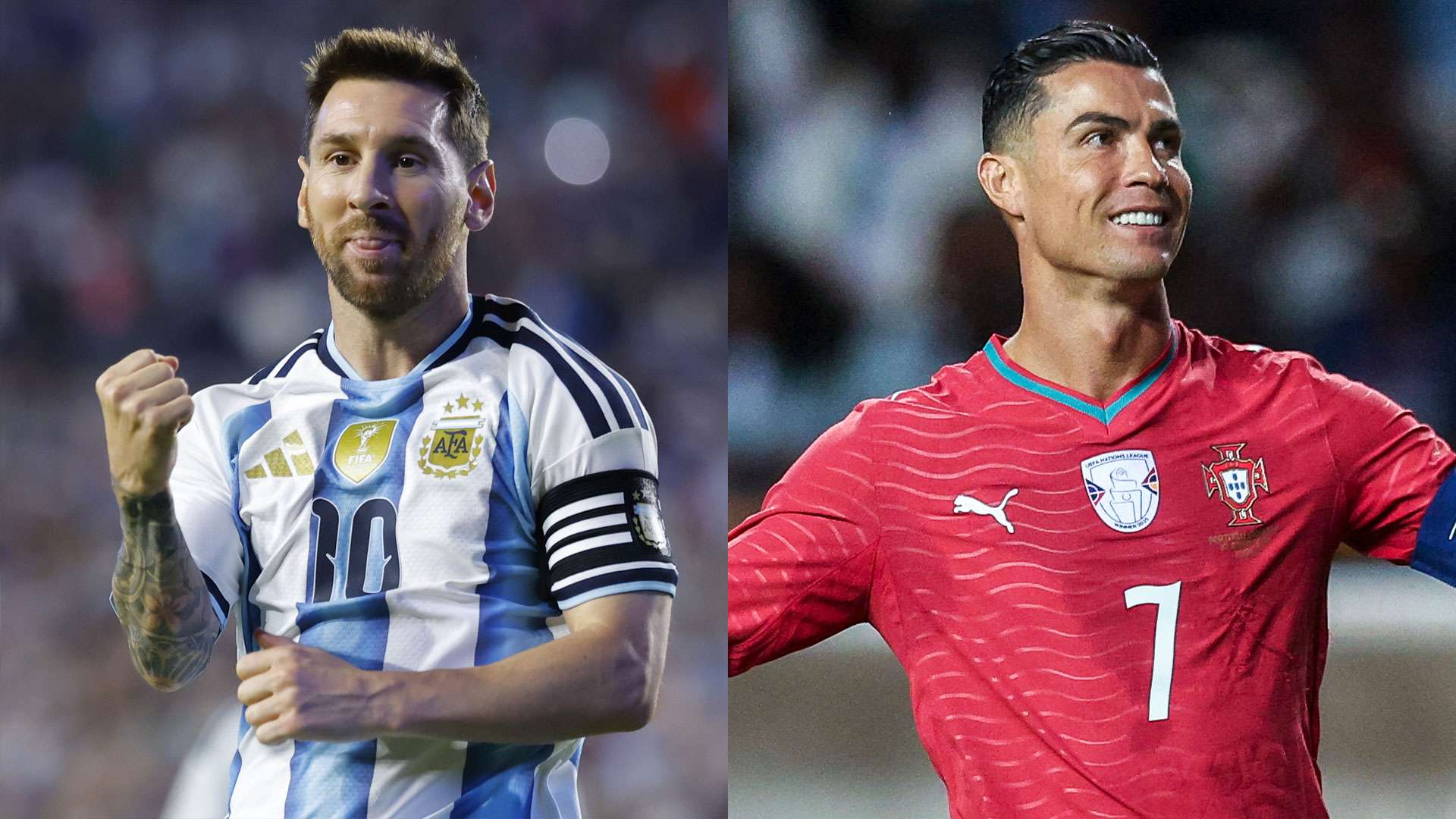
‘Extraordinary!’ – Jurgen Klopp hails Lionel Messi and Cristiano Ronaldo as the legendary duo dazzle at the World Cup
-
Journalist Makes Bold Claim on Manchester United’s Pursuit of Julian Alvarez

-
Young people avoiding the news, Reuters report

-
World Cup’s head-to-head rule dulls the group stage drama, but the real issue lies in the flawed new format
-
'Not enough' – Andy Robertson and Steve Clarke concede Scotland’s World Cup journey ends after humbling 3-0 loss to Brazil leaves Tartan Army stranded in group stage