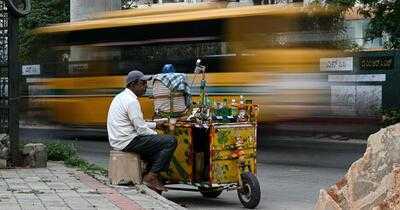
At a time of rising economic uncertainty, India needs economists willing to ask uncomfortable questions. Why are so few doing so?
India’s current account deficit narrowed to 0.7% of the gross domestic product in the fourth quarter of the 2025-’26 financial year. Reports say this improvement is likely the result of remittances from abroad after the previous quarter reported a wide deficit due to higher import costs and economic turmoil. Foreign investors have withdrawn Rs 2.25 lakh crore from Indian equities this year.
The rupee has depreciated fast while oil prices pose inflationary risks for a country heavily dependent on energy imports. Domestic consumption has shown signs of fatigue. Employment generation continues to lag behind the aspirations of millions of young Indians entering the workforce every year.
In the midst of this, economists and policymakers continue to debate the durability of domestic demand, the quality of employment generation and the increasingly unequal distribution of economic gains.
India remains one of the world’s fastest-growing major economies with robust tax collection, infrastructure spending and digital public infrastructure that has transformed service delivery. But are difficult enough questions being asked about the economy India is building?
Can growth remain durable if consumption weakens? How vulnerable is India to sustained increases in global energy prices? What are the implications of...
Read more
-
BBC Commentators, Analysts and Presenters for Ecuador vs Germany Match

-
Germany player ratings against Ecuador: Leroy Sane’s bright opening overshadowed by defensive meltdown as Julian Nagelsmann’s team finish group stage on a disappointing note

-
Why footballers are cutting holes in their socks

-
Sam Smith announces new album Hazel Eyes, set for August release

-
10 Movies Gen-X Grew Up Loving That Feel Seriously Wild Today