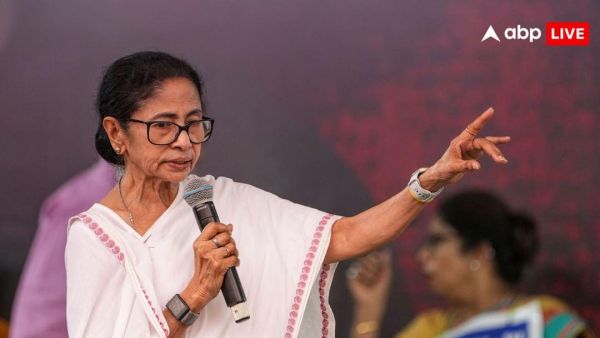
West Bengal’s political landscape has entered unprecedented territory after the 2026 Assembly elections. The Bharatiya Janata Party secured a landmark victory, winning more than 207 seats with nearly 46% of the vote and bringing an end to the All India Trinamool Congress’s 15-year rule. The defeat was made even more symbolic by Mamata Banerjee’s loss from the Bhabanipur constituency to Suvendu Adhikari.
What followed was an extraordinary internal upheaval. A group of rebel MLAs, led by Ritabrata Banerjee and claiming majority support within the legislative party, convened a special meeting, removed Mamata Banerjee as the party’s legislative leader, suspended Abhishek Banerjee, and appointed veteran leader Arup Roy to head the legislature party. Simultaneously, around 20 of the party’s Lok Sabha MPs broke ranks and merged with the Nationalist Citizens Party of India, extending their support to the NDA government at the Centre. Both factions have since approached the Election Commission of India, each staking claim to the original Trinamool Congress name and its iconic party symbol.
This sequence echoes the splits in Maharashtra’s Shiv Sena and Nationalist Congress Party. In those cases, the Election Commission applied tests that ultimately favoured the factions holding legislative majority, awarding them the original party name and symbol. The question now is whether Mamata Banerjee faces a similar outcome and, more importantly, whether losing the symbol would end her political relevance the way some observers assume it did for the original leaderships in Maharashtra. Bengal’s political culture, the structure of the TMC rebellion, and the enduring personal appeal of its founder point to a different trajectory. Even without the official symbol, Mamata Banerjee retains structural advantages that make outright marginalisation unlikely.
TMC Split Fundamentally Different From Shiv Sena And NCP Divides
The Maharashtra splits featured leaders with long-established independent political identities. Eknath Shinde had built a strong organisational presence within Shiv Sena over decades and commanded loyalty in key regions. Ajit Pawar carried the family legacy of Sharad Pawar and enjoyed deep roots in western Maharashtra’s cooperative networks. Both could leverage personal followings and existing structures when they broke away.
In contrast, the TMC rebel faction is led by figures who largely operated in the shadow of Mamata Banerjee. Ritabrata Banerjee, the face of the legislative revolt, entered the Assembly for the first time after earlier stints in the Rajya Sabha and has limited independent electoral victories or grassroots organisational depth. Arup Roy, now positioned as the new chairperson, is a veteran but spent his career under Banerjee’s overarching leadership. Most other prominent rebels lack comparable mass connect or independent vote-pulling capacity.
West Bengal’s politics has always revolved around towering personalities — from Bidhan Chandra Roy and Jyoti Basu to Mamata Banerjee and, more recently, Suvendu Adhikari. The BJP itself positioned Adhikari as its visible face without formally naming him chief ministerial candidate. A faction without such a dominant personality faces an uphill task in mobilising voters on its own. The rebels may survive or even thrive if they secure sustained BJP backing and alliances, but building an independent electoral machine in the short term remains difficult.
Enduring Voter Base Despite Setback
The TMC secured roughly 41 percent of the vote in the 2026 Assembly elections despite facing significant anti-incumbency after 15 years in power. This residual support is not evenly distributed. It remains particularly solid among Muslim voters in districts such as Malda, Murshidabad and parts of North and South 24 Parganas. These voters have consistently backed the TMC on the strength of its secular positioning and welfare outreach. The rebel MPs who aligned with the NDA are unlikely to carry significant portions of this community support with them. Muslim voters in Bengal have shown political consciousness and are unlikely to transfer en masse to a faction perceived as moving closer to the BJP-led alliance.
Historical precedent within the TMC itself demonstrates resilience. In its formative phase during the 2006 Assembly elections, the party, then in alliance, secured around 30 seats with a modest vote share. From that position it built a formidable organisation. The current loyal faction retains a core of dedicated workers and some elected representatives. Alliances with the Congress or smaller regional outfits could further consolidate segments of this base. While some erosion is inevitable amid the turmoil, the scale of the original 41 percent support suggests that a substantial portion can be retained and rebuilt around Mamata Banerjee’s leadership rather than transferred wholesale to the rebels.
Power Of Personal Connect And Street Power
The very act of rebellion has reinforced Mamata Banerjee’s narrative of betrayal by leaders who rose under her patronage. This has sharpened her emotional appeal among core supporters who view the split as ingratitude rather than legitimate dissent. Her unmatched capacity for street-level mobilisation — through dharnas, rallies and direct engagement — remains a potent organisational weapon that few in the rebel camp can replicate.
Leaders who have stayed with her faction often carry cleaner public images or long records of loyalty. Voters have historically responded negatively to large-scale defections in Bengal. The split has allowed Mamata Banerjee to position herself once again as the underdog fighting against powerful forces, a role that has defined much of her political career. This emotional reservoir, combined with her proven ability to galvanise crowds, provides a foundation for revival that goes beyond formal party structures or symbols.
Revival Remains Possible Through Long-Term Rebuilding
Losing the official TMC symbol would undoubtedly create immediate hurdles. Symbol recognition takes time to rebuild, and some grassroots workers and voters may drift amid the confusion. The loyal faction currently holds a minority of MLAs and a reduced number of MPs. Yet writing a political obituary for Mamata Banerjee or her group overlooks the personal brand she has cultivated over three decades and the cadre loyalty that persists in key pockets.
Bengal’s political history shows that personality-driven movements can endure and rebound even after severe reverses.
Tactical alliances, focused issue-based campaigns on welfare delivery and identity concerns, and sustained street presence can keep the faction relevant. The rebels, despite legislative majority, lack the cohesive mass appeal required to dominate the opposition space independently in the near term. Mamata Banerjee’s faction, even if forced to operate under a new name or symbol initially, retains the ingredients for long-term survival and gradual revival in a state where individual leadership continues to outweigh institutional labels.
(Sayantan Ghosh is the author of two books, Battleground Bengal and The Aam Aadmi Party)
-
Marriage not happening or girl’s relationship breaking again and again? Things will be resolved in 21 days and by doing these 4 measures

-
Are you also storing cooking oil in the wrong way? Know the right storage method from experts

-
San Francisco’s Californios Becomes The World’s First Mexican Restaurant With 3 Michelin Stars

-
Orry’s bag goes viral after the phone, its price is Rs 17 lakh, know which brand of Lobster Bag

-
Chewing soaked fenugreek on an empty stomach in the morning is a boon for health.