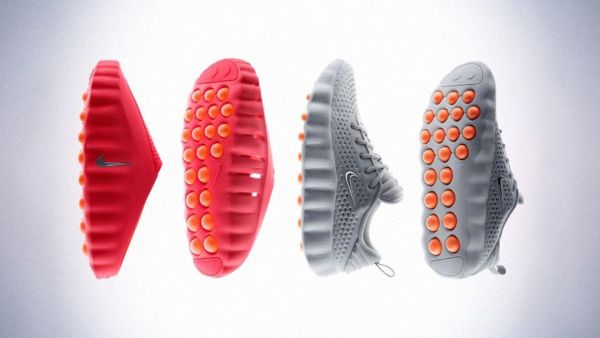
The brain continuously processes impulses from every area of the body, including the feet, as neuroscience has progressively demonstrated. This constant two-way communication plays a crucial role in coordinating the body's everyday functions. The brain receives constant information from thousands of sensory receptors in the soles, which helps regulate posture, movement, balance and body awareness. These sensory pathways are essential to the nervous system's interpretation of touch and movement, according to the National Institute of Neurological Disorders and Stroke (NINDS). A new class of items called passive neuro-wearables has emerged as a result of our expanding understanding of brain-body interactions.
According to a report by CNN, Nike is among the first major sportswear brands to embrace this concept with its new "Mind" footwear, which claims to stimulate sensory pathways to reduce mental distractions and improve focus before and after exercise.
Science Behind Nike Soles
CNN reported that Nike spent over ten years creating the shoe. Instead of employing sensors, batteries or artificial intelligence, the shoes have 22 autonomously moving foam nodes across the sole. These nodes gently press the foot's mechanoreceptors, which are specialised sensory nerve endings that sense pressure, texture and vibration, while the wearer walks.
Nike claims that while athletes were wearing the shoes, their neuroscientists observed their brain activity prior to, during and following treadmill sessions. The brain's Sensorimotor Network (SMN), which regulates movement and sensory processing, was shown to be more active than the Default Mode Network (DMN), which is linked to self-reflection, mind-wandering and repetitive thoughts.
The goal, according to Graeme Moffat, Principal Researcher at the Nike Sport Research Lab, is to assist wearers in achieving a state of "relaxed alertness" so they can concentrate on the here and now rather than internal distractions. Nike hasn't yet released peer-reviewed scientific data to support these conclusions, though.
Experts Say The Concept Has Scientific Merit
The underlying neurology is not wholly novel. CNN reports that Dr Ishara Dharmasena, a professor of smart textiles and wearable technologies at Loughborough University, thinks Nike's strategy adheres to accepted sensory neuroscience principles. In an interview with CNN, Dr Dharmasena likened the shoes to Pada Abhyanga, an Ayurvedic foot massage that stimulates particular pressure points to encourage relaxation. He clarified that, similar to mindfulness or meditation practices, presenting new sensory stimuli prompts the brain to concentrate on physical sensations, which may lessen mental distractions and raise awareness.
He, however, warned that because the brain naturally adjusts to continuous sensory input, a process known as sensory habituation, repeated exposure may eventually lessen the effect. Additionally, he emphasised that more sensory stimulation does not always translate into better mental performance or intellect.
Rise Of Passive Neuro-Wearables
According to Dr Dharmasena, Nike Mind is a "passive neuro-wearable", a class of devices that affect the neural system without requiring battery-operated electronics or gathering digital data. Passive neuro-wearables aim to enhance wellness by altering the way the body and brain interact through touch and movement, in contrast to smartwatches that track physiological measurements.
CNN reported that the wearable wellness sector as a whole is growing quickly. Manufacturers are increasingly investigating goods intended to improve comfort, recuperation, and mental well-being through material innovation rather than digital technology, from bioactive textiles and specialised compression garments to textured insoles that stimulate foot nerves.
Even though Nike Mind has attracted a lot of attention, neuroscientists stress that independent scientific validation is still crucial. The National Institutes of Health (NIH) states that while sensory stimulation is known to increase balance, mobility and body awareness, robust clinical research is needed to show changes in focus, cognition or emotional control.
-
45 Minutes At Lohagad: Police Claim Ketan Agarwal Was Lured, Killed And Accused Fled

-
FIFA to Keep Hydration Breaks as a Permanent Feature at Future World Cups Despite Ongoing Criticism

-
Sweden’s Anthony Elanga Confesses He Was Unaware a Draw Against Japan Would Secure World Cup Knockout Qualification

-
Pune Race Course Gears Up For 2026 Racing Season As Trainers Prepare For Marquee Events

-
'Insecure About His Popularity': Netizens React As Vaibhav Sooryavanshi Benched For IND Vs IRE 1st T20I