MBBS vs. BTech in the AI Era: Most students from the science stream pursue either BTech after clearing the JEE or MBBS after clearing the NEET. This formula has been a massive success for years. However, times have changed; we are now in the era of Artificial Intelligence (AI). Tools like ChatGPT, Devin, and various new coding AI tools have shaken up the tech industry. Amidst this AI wave, the biggest question today is: which degree—MBBS or BTech—offers greater job security?
Students spend four years grinding to learn coding, yet AI tools can now perform those same tasks in mere seconds. Meanwhile, in the medical field, AI is rapidly making inroads through technologies like AI-driven diagnostics and robotic surgery. This situation has left students confused. They are wondering which path to choose—after investing lakhs of rupees—that ensures robots won't snatch away their jobs in the future. Let’s understand which option—MBBS or BTech—is safer and more sustainable for the future in the age of AI.
The AI Wave: What is the impact on BTech and MBBS?
No sector remains untouched by AI. Yet, within every sector, certain jobs remain secure despite the AI wave. If you have completed Class 12 and are torn between MBBS and BTech, here is a look at which degree holds more promise in the AI era.
BTech: New opportunities, but higher risks
The most immediate and direct impact of AI has been on the IT and software engineering sectors. Today, AI can effortlessly handle tasks like basic coding, bug fixing, and website creation. This implies that if you graduate with only textbook knowledge or outdated coding skills, AI could easily take over your job.
On the flip side, there is a growing need for modern-age engineers to build and maintain AI systems and manage data. If you choose modern fields like AI, machine learning, data science, or cybersecurity during your B.Tech and work on your problem-solving skills, your career is bound to flourish. In the realm of B.Tech, a mere degree no longer suffices; acquiring practical skills is essential.
MBBS: Highly secure due to the human element and personal touch
When it comes to career security, an MBBS degree offers far greater stability than a B.Tech in the age of AI. While AI can scan for diseases or list medications, it can never hold a patient's hand and offer reassurance.
The medical profession relies heavily on empathy, critical thinking, and the ability to make decisions using human judgment in the moment. Patients place more trust in a doctor's "healing touch" than in a robotic screen. Countries like India face a significant shortage of doctors; consequently, the risk of job losses due to economic downturns or AI is negligible in this field.
MBBS vs. B.Tech: Which offers higher earnings?
After completing B.Tech, one can secure a lucrative corporate package—worth lakhs—by the age of 22 or 23, a feat not possible with MBBS. Medical education is long and arduous; one typically reaches the stage of earning a substantial income as a doctor only by the age of 28–30. However, while B.Tech careers often face the threat of "career saturation" or layoffs after the age of 40–45, a doctor's value continues to rise with age and experience.
Which course is best for you?
If you love coding, can keep up with rapidly evolving technology, and wish to start earning early, B.Tech remains an excellent choice. However, if you seek a career completely insulated from economic downturns and AI, desire lifelong job security, and possess the patience for a long period of study, then MBBS is the safer option. Make the decision based on your own interests, not just out of fear of AI!
Disclaimer: This content has been sourced and edited from News18 Hindi. While we have made modifications for clarity and presentation, the original content belongs to its respective authors and website. We do not claim ownership of the content.
-
Harvey Weinstein's California Rape Conviction Upheld, 16-Year Sentence Vacated For Resentencing

-
TN Govt Appoints 'Jana Nayagan' Producer As Special Representative In Delhi, Triggers Row
-
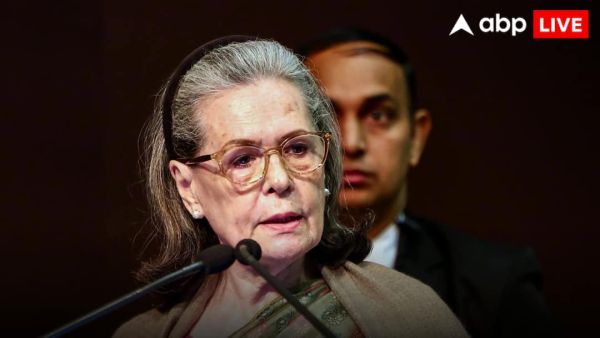
Sonia Gandhi Slams Modi Govt's 'Stony Silence' On Gaza 'Genocide'; BJP Hits Back
-
How Norway’s decision to rest Haaland and Odegaard could prove a masterstroke at the World Cup

-
Belgium vs New Zealand preview: Can the All Whites cause an upset in Group G?