Baby Sleep Sounds: What's Normal and When to Worry
Pregatips | June 27, 2026 3:39 PM CST
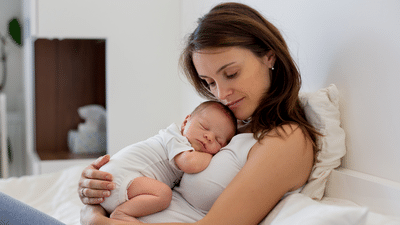
Baby sleep sounds are completely normal during infancy. This happens because your baby’s body and sleep patterns are still growing. Newborns have small airways and immature breathing systems. That's why baby sleep sounds are often noisier than those of older children or adults. Your baby also spends a large part of the day in light sleep. During this stage, movements, facial expressions, and little noises are completely normal. But sometimes, certain sounds may be signs of breathing difficulties or other health conditions.
Once you understand these sounds, you may feel less worried.
Common Baby Sleep Sounds That Are Usually Normal
Baby sleep sounds often result from breathing, feeding, digestion, or normal sleep movements.
1. Breathing‑Related Sounds
Your baby is still learning to breathe normally, and the nasal passages are narrow. Also, lungs and breathing muscles are still developing.
That’s why you may notice the following baby sleep sounds:
Your baby’s digestive system is still developing in the first few months. As milk is digested and gas moves through the digestive system, you may hear:
Some sleep noises come after feeding. Your baby may continue swallowing saliva or small amounts of milk after a feed. This can create sounds when your baby is sleeping.
Babies spend lots of time in active sleep. It is a lighter stage of sleep when sounds and movements are more common, such as:
Do Baby Sleep Sounds Change With Age?
You may notice your baby's sleep sounds change as they grow. Newborns are often noisy sleepers because their bodies are still learning how to breathe, feed, and sleep on their own. When your baby gets older, these systems become stronger. Many sleep sounds become less frequent. By the end of the first year, most babies sleep more quietly.

When Are Baby Sleep Sounds Not Normal?
Most baby sleep sounds are normal. But sometimes, certain noises mean you should check with your doctor. Call your paediatrician if your baby:
How to Help Your Baby Sleep Comfortably
A few simple steps can help your baby sleep safely and comfortably throughout the night.
Whether you’re pregnant, a new mom, or navigating postpartum, you don’t have to do it alone. Join our support group to connect, share, and support one another.
FAQs on Baby Sleep Sounds: What's Normal and When to WorryCan a growth spurt affect my baby's sleep sounds?
Yes. During growth spurts, your baby may be more restless and move around more in sleep. This can make the sounds more noticeable.
Are sleep sounds different in breastfed and formula-fed babies?
Not usually. Every baby is unique, and sleep sounds are usually linked to development rather than to the type of feeding.
Is it normal for my baby to smile or laugh while sleeping?
Yes. Your baby may smile or even give a small laugh during sleep. This is a normal part of active sleep.
Once you understand these sounds, you may feel less worried.
Common Baby Sleep Sounds That Are Usually Normal
Baby sleep sounds often result from breathing, feeding, digestion, or normal sleep movements.
1. Breathing‑Related Sounds
Your baby is still learning to breathe normally, and the nasal passages are narrow. Also, lungs and breathing muscles are still developing.
That’s why you may notice the following baby sleep sounds:
- Snorting
- Snuffling
- Whistling
- Sighing
- Short pauses followed by normal breathing
Your baby’s digestive system is still developing in the first few months. As milk is digested and gas moves through the digestive system, you may hear:
- Grunting
- Gurgling
- Groaning
- Little sounds from passing gas
Some sleep noises come after feeding. Your baby may continue swallowing saliva or small amounts of milk after a feed. This can create sounds when your baby is sleeping.
- Swallowing noises
- Light smacking sounds
- Occasional gurgles
Babies spend lots of time in active sleep. It is a lighter stage of sleep when sounds and movements are more common, such as:
- Whimpering
- Soft cries
- Squeaks
- Murmurs
- Stretching noises
- Hiccups
- Rhythmic hiccup sounds
- Small jerks with each hiccup
Do Baby Sleep Sounds Change With Age?
You may notice your baby's sleep sounds change as they grow. Newborns are often noisy sleepers because their bodies are still learning how to breathe, feed, and sleep on their own. When your baby gets older, these systems become stronger. Many sleep sounds become less frequent. By the end of the first year, most babies sleep more quietly.
When Are Baby Sleep Sounds Not Normal?
Most baby sleep sounds are normal. But sometimes, certain noises mean you should check with your doctor. Call your paediatrician if your baby:
- Has trouble breathing while sleeping
- Breathes very fast or struggles to breathe
- Makes gasping or choking sounds
- Has repeated pauses in breathing or stops breathing for longer than a few seconds
- Has lips, face, or skin that look blue or grey
- Snores loudly and often
- Struggles to feed, along with unusual breathing sounds
- Seems very sleepy, weak, or hard to wake up
How to Help Your Baby Sleep Comfortably
A few simple steps can help your baby sleep safely and comfortably throughout the night.
- Keep your baby’s nose clear if they seem blocked or stuffy
- Dress your baby in clothes that feel comfy, not too hot, not too cold
- Always place your baby on their back to sleep
- Make the sleep space quiet and clean
- Burp your baby after feeds to reduce gas and tummy discomfort
- Keep the room at a comfortable temperature
- Try to follow a simple bedtime routine each night
Whether you’re pregnant, a new mom, or navigating postpartum, you don’t have to do it alone. Join our support group to connect, share, and support one another.
FAQs on Baby Sleep Sounds: What's Normal and When to Worry
Yes. During growth spurts, your baby may be more restless and move around more in sleep. This can make the sounds more noticeable.
Not usually. Every baby is unique, and sleep sounds are usually linked to development rather than to the type of feeding.
Yes. Your baby may smile or even give a small laugh during sleep. This is a normal part of active sleep.
READ NEXT
-
‘He is a magical player’ – What Alexander Isak must do to prove himself and justify Liverpool’s record £125m signing fee

-
Fenerbahce’s Massive Salary Offer to Mason Greenwood Revealed as Roma Risk Losing Transfer Battle for Marseille Star

-
Manchester City Chairman Reveals Three Key Qualities That Led to Enzo Maresca’s Appointment as Manager

-
New Zealand Clinches Historic Test Series Victory Over England
-
Trump Plans Action Against Federal Reserve Governor Following Supreme Court Ruling