Never miss a moment of the World Cup action.
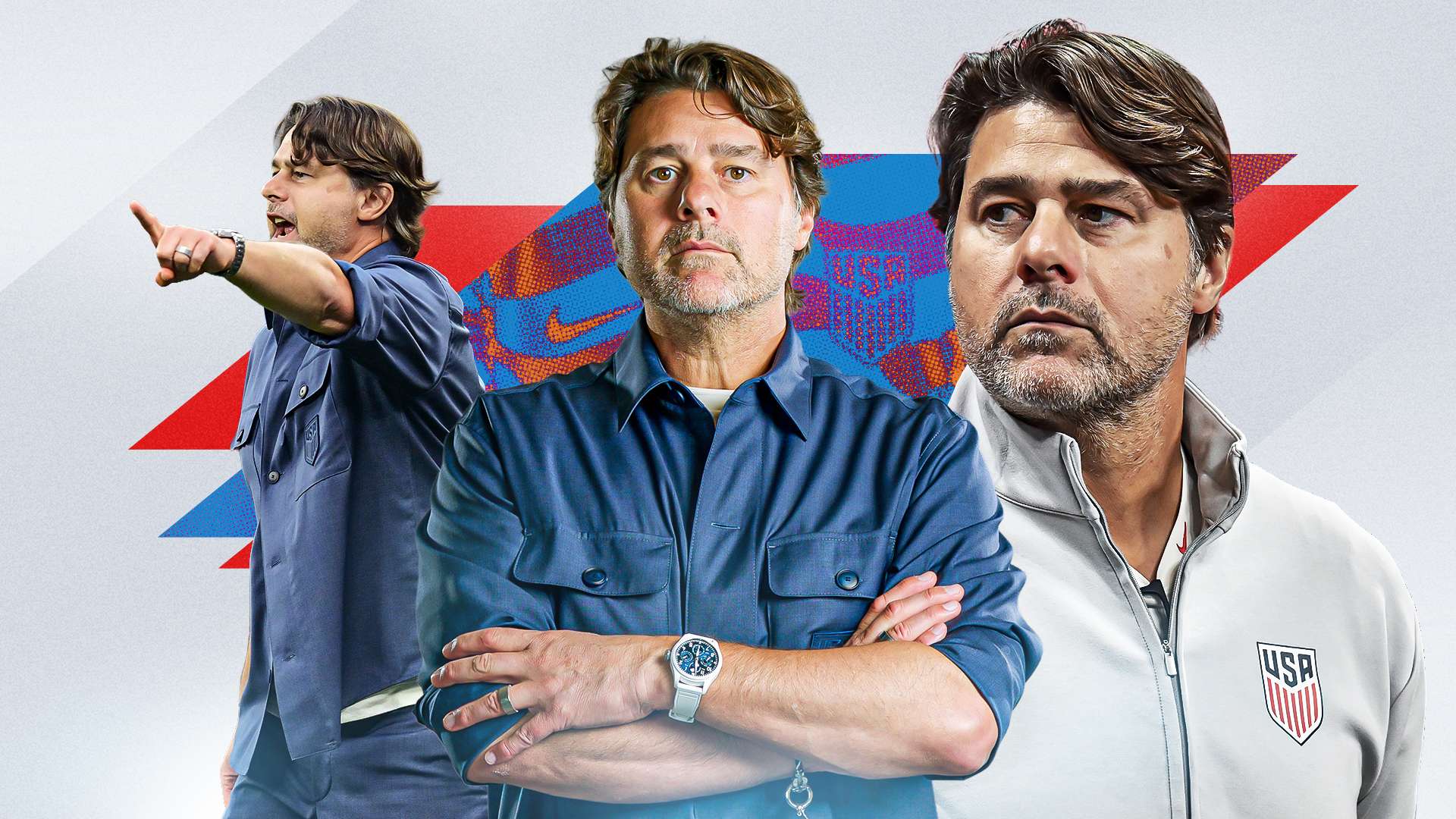
From Chris Richards’ near-flawless distribution to Alex Freeman exceeding all expectations, here are five key insights into the United States Men’s National Team (USMNT) following their World Cup group stage campaign.
GOAL explores the major lessons learned from the team’s first three matches at the tournament.
Before moving on to the knockout rounds, let’s take one final look at what we’ve learned so far.
The USMNT’s group stage journey has concluded, and the knockout fixtures now take centre stage. But before Mauricio Pochettino’s men fully embrace the win-or-go-home mindset, it’s worth reflecting on how they got here. The team topped their group, demonstrated impressive attacking balance, saw contributions across the squad, and despite a late slip-up against Turkiye, ended the opening phase with more answers than doubts.
This was arguably the most exciting group stage in the history of this team – one that saw players and supporters unite in a way rarely witnessed before. The summer already feels different, but true progress will depend on how deep the USMNT can go into the latter stages of the competition.
So, what can be taken from the group stage? What stood out? What lessons will the USMNT carry forward into the knockouts? GOAL breaks it all down below.
Richards does more than we realised
Chris Richards’ importance was clear heading into the tournament, especially given the nervousness surrounding his ankle injury. Thankfully, the defender has looked fully fit, and the USMNT has reaped the rewards from his strong displays in two group stage starts.
But it’s not only his defensive work that has impressed. Across those two appearances, Richards has completed 97.8% of his passes – only four of his 179 attempts failed to reach a teammate. According to Opta, that’s the second-best passing accuracy through the opening stage of a World Cup since 1966, with only Gheorghe Popescu’s 98.4% (122 of 124 passes in 1994) ranking higher.
So, while Richards’ off-the-ball defending has been error-free, his composure and precision in possession have been equally vital. His ability to help the U.S. regain and retain possession has been a cornerstone of their success so far.
Freeman steps up to the challenge
Following the victory over Australia, Mauricio Pochettino remarked that Alex Freeman has the potential to be the best in the world in his position. While that’s a lofty statement, Freeman has shown throughout this summer that he is at least World Cup-ready.
Operating as a right-back or right centre-back, Freeman’s hybrid role demands both tactical discipline and technical quality. His defensive solidity has been key, and his memorable goal in the win over Australia in Seattle added a special highlight to his campaign.
Through the first two games, Freeman led the USMNT with 40 completed line-breaking passes, ahead of Tim Ream’s 37 and well clear of Antonee Robinson’s 26. This underlines that Freeman, beyond his physical prowess, possesses the intelligence and vision to influence play at the highest level.
Midfield balance pays off
There were plenty of concerns about the U.S. midfield before the tournament began, especially given the uncertainty surrounding depth amid Cristian Roldan’s minor injury. However, the starting trio has found a rhythm that works well.
Tyler Adams remains as reliable as ever in the holding role, but the tactical tweaks around him have paid dividends. By pushing Malik Tillman slightly deeper and allowing Weston McKennie to surge forward, the U.S. has achieved a dynamic and balanced midfield setup. Statistically, Tillman has been one of the tournament’s most complete performers, while McKennie’s forward runs and decision-making have consistently troubled defences.
For now, this midfield configuration is functioning effectively. The challenge will be keeping that trio healthy and maintaining cohesion as the competition intensifies.
Areas for improvement
It’s difficult to criticise the USMNT for the late goal conceded against Turkey, as the match held no bearing on progression and featured a heavily rotated side. Moreover, one key player was struggling with an ankle issue, meaning the team effectively finished with ten fit players. Still, the lapse serves as a valuable reminder for Pochettino to reinforce the importance of maintaining focus until the final whistle.
This wasn’t an isolated incident. The U.S. conceded early from a free kick against Germany in their send-off match, lost concentration on a long set piece versus Paraguay, and then allowed a late winner from a throw-in against Turkey. Each of those goals could have easily been avoided with sharper focus.
Expect Pochettino to stress this point moving forward—because one momentary lapse could be the difference between a memorable summer and a missed opportunity.
The nation is on board
From electrifying stadium atmospheres to record-breaking television ratings, it’s clear that American fans are more engaged with the USMNT than ever before. This tournament has sparked a unique connection between the team and its supporters—but how long can that momentum continue?
During the group stage, the USMNT delivered perhaps its best-ever collective performance, capturing the hearts of fans across the country. The enthusiasm has been reflected everywhere—from sold-out jerseys to “Country Roads” becoming the unofficial celebration anthem of the summer.
More than ever, the nation seems ready to fully embrace this team, and the players appear equally ready to build on that energy. As the knockout rounds begin, the stakes rise, and with them, so too does the opportunity for this team to redefine its place in American sport.
-
Steve Clarke’s Journey as Scotland Manager: Triumphs, Trials, and the End of a Seven-Year Era
-
Colombia’s goalless thriller with Portugal sets up World Cup last-32 showdowns with Ghana and Croatia

-
England’s Two Major Problems to Fix Before the World Cup Knockouts
-
Can Paneer And Soybean Replace Eggs In West Bengal Mid-Day Meals? Experts Explain

-
OPINION | From Terror Promoter To Peace Promoter: Pak Poses A Challenge To Indian Diplomacy