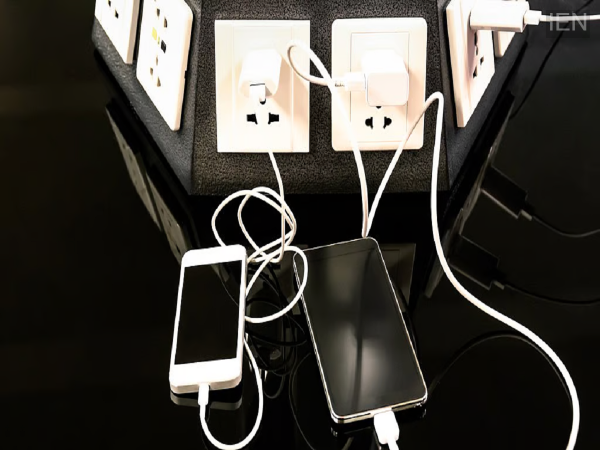
Laptop-Smartphone Charging Power Consumption: Smartphones, laptops, and similar devices need to be charged daily. Consequently, they consume a significant amount of electricity over the course of a year.
Laptop-Smartphone Charging Power Consumption: Millions of people charge devices like smartphones, laptops, and tablets every day. Many households own multiple such devices, and charging them daily takes hours. But have you ever wondered how much electricity is actually consumed in the process? If you own gadgets like phones and laptops, it is important to know this. Today, we will explain how much electricity is used to charge mobiles and laptops and how it impacts your wallet.
How much consumption for mobile charging?
Mobile phones do not consume a vast amount of energy while charging, but since they require daily charging, understanding the consumption is important. According to reports, a smartphone consumes approximately 3–4 units of electricity annually through daily charging. In India, the cost of a single unit of electricity varies by state, ranging from ₹3 to ₹12. Based on this, charging a mobile phone costs only about ₹50–60 per year.
Higher consumption of laptops
Laptops consume more electricity than mobile phones. Charging a laptop uses approximately 130–140 units of electricity annually. This means the yearly cost for charging a laptop can range from ₹400 to ₹1,600. In this regard, it is the device that consumes the most electricity.
Tablets – In terms of power consumption, tablets fall somewhere between phones and laptops. Charging a tablet consumes a total of 15–20 units of electricity per year. In terms of electricity bills, the cost amounts to approximately ₹500. Electricity is consumed even when no device is connected.
Many people have a habit of unplugging their phones after charging, but leaving the charger plugged in and switched on. In such cases, the charger continues to consume power even though no device is connected to it. This is known as "phantom load," and it can impact your electricity bill. Therefore, you should switch off the charger when no device is connected; this saves electricity and helps the charger last longer.
-
US, Iran agree to halt Hormuz attacks, resume talks

-
Plaunder of faith dangerous: Maulana Rashidi on Ram Temple row

-
AICWA chief calls Love and War crew death ‘murder’, slams Bhansali

-
Can Nykaa Live Up To Its Own Hype?

-
SSC SSA Recruitment 2026: Applications for SSC SSA have begun; salary to exceed ₹80,000..