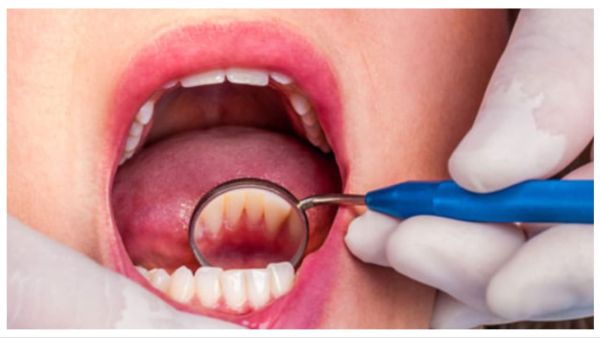
Tobacco use and mandible cancer are linked. Due to its high nicotine content, tobacco is very addictive. Nicotine does not cause cancer, but it causes the strong addiction that keeps people using tobacco. Tobacco's other compounds cause serious damage.
Chewing tobacco and cancer of the mandible are very closely related to each other. Tobacco is highly addictive in nature, as it has a very concentration of nicotine. However, since nicotine itself does not cause cancer, but it is responsible for the strong addiction that keeps people using tobacco regularly. The real harm comes from the other chemicals present in tobacco.

The part we misunderstand
Nicotine makes tobacco addictive, yes. But it’s not what causes cancer. The real danger lies in the 28+ cancer-causing chemicals sitting in that pouch. And unlike smoking, chewing tobacco stays in your mouth longer, resting against your gums, your cheek, your jaw. That constant contact is what makes it more harmful.
In fact, chewing tobacco:
• Delivers more nicotine than smoking, thus resulting in stronger addiction
• Keeps harmful chemicals in direct contact with your tissues
• Increases cancer risk 4 times, and even higher with long-term use
India has a major challenge with Oral Cancer as it produces around 135,000 new patients with Oral Cancer every year, which results in an estimated 75,000 fatalities annually. The incidence of Oral Cancer in India ranks among the top five worldwide and is responsible for approximately five percent of all deaths in India.
Tobacco is the leading cause, associated with nearly 80% of cases, and alcohol further adds to this risk. One of the serious outcomes of oral cancer is the involvement of the mandible or jawbone. When the disease progresses, it may require surgical treatment. Depending on the extent, procedures like marginal mandibulectomy (removal of a small part of the jaw), segmental mandibulectomy (removal of a section), or even complete removal of the mandible may be needed.
Reconstruction is then done using bone from the leg or ribs, usually by a plastic surgeon. In many cases, radiation therapy is also required after surgery to reduce the chances of recurrence. You should not ignore any signs or symptoms of oral cancer (e.g. an ongoing, sometimes painless sore that takes longer than normal to heal). The symptoms and signs can include: sores in your mouth, bleeding gums; bad breath; difficulty opening your mouth; pain that radiates to your ear, etc. By knowing what these signs/ symptoms are and seeking help to find out if you do have oral cancer will allow you to get the proper treatment sooner which is key for treatment success.
Tobacco use also leads to several other health problems. It increases the risk of heart attacks and strokes. In pregnancy, it can lead to complications such as abortion or preterm delivery. It also causes tooth decay, staining, and multiple oral health issues. However, there is a positive side. If a person quits tobacco for more than five years, the risk of developing cancer can reduce by up to 50%.
Nicotine replacement therapy can help manage addiction and support quitting. Since the cause is clearly known, taking steps to stop tobacco use can significantly improve health and reduce risk, for oneself, for family, and for society.
This article is authored by Dr. Rajshekhar C Jaka Consultant - Surgical Oncology, Manipal Hospital Whitefield.
-
Why India Needs Its Own AI Safety Net

-
Good news for Aadhaar cardholders: Free service starting July 1; UIDAI issues new circular

-
Withdrawing money from your PF account has become easy! You will be able to get cash from ATMs; EPFO is launching a new service..

-
Successful Rescue Operation in Arunachal Pradesh's Sisiri River

-
What are the disadvantages of not registering a marriage? You will not get relief or access to facilities for these tasks..