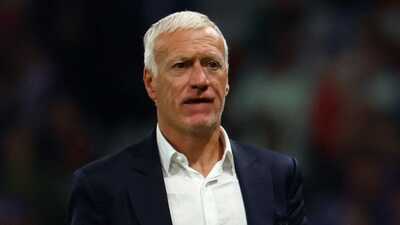
New Delhi: It is not easy to manage a football squad and too packed with global superstars sounds like a dream job but history proves it is usually a nightmare. We have seen countless elite teams crumble under the weight of massive egos and tactical confusion. Yet, since taking over Les Bleus in 2012, Didier Deschamps has mastered the art of keeping France at the absolute top.
Deschamps’ secret weapon? A total lack of fear when it comes to tearing up his playbook mid-tournament to find a winning formula and we are witnessing that exact pattern in play once again at this World Cup.
Deschamps entered the tournament with a massive puzzle that how to get the absolute best out of a 27-year-old Kylian Mbappe. The Real Madrid forward no longer wants to just sprint behind defenses like he did as a teenager in 2018 as now he wants to drop deep, roam left and dictate the tempo.
To make this work, Deschamps initially deployed a lopsided, ultra-attacking system during their opening match against Senegal. On paper, it allowed stars like Michael Olise and Ousmane Dembele to replicate the exact roles they play for their clubs.
However, as the game progresed the major cracks began to show and when France didn’t have the ball, the gap between the front line and the midfield duo of Adrien Rabiot and Aurelien Tchouameni was massive because of which Senegal easily exploited them using this empty space, carving out dangerous chances and threatening to embarrass the tournament favourites.
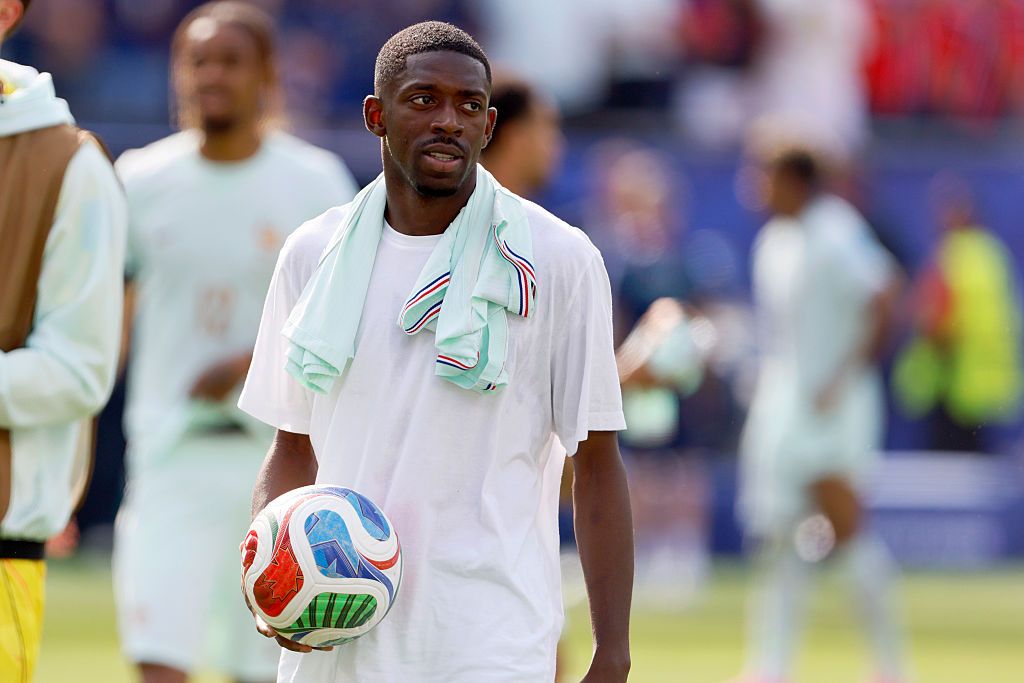
The masterstroke: Swapping Dembele and OliseDeschamps noticed the tactical friction and reacted before it was too late. His biggest and most daring move was completely swapping the roles of Dembele and Olise. To move a reigning Ballon d’Or winner like Dembele out of a central playmaker role to the right wing takes massive managerial courage but the gamble paid off instantly.
Out of possession, Deschamps abandoned the high press and droped France into a compact, rigid defensive block. Dembele’s incredible work-rate on the right flank provided crucial cover for the backline, making France suddenly look impossible to play through.
Meanwhile, moving Olise into the number 10 spot completely transformed the attack as the Bayern Munich star is a master at threading defence-splitting through balls which is exactly what a roaming Mbappe needs to thrive.
While Dembele’s natural instinct to drop deep often left France with zero presence in the penalty box, Olise’s timing from a deeper starting position allowed him to make perfectly timed runs into the area during sustained attacks.
Finding balance for final pushThe structural shift also unlocked the right flank with Jules Kounde tucking inside to act as a central defensive shield during counter-attacks, Dembele was given complete freedom to terrorise full-backs out wide. A tactical tweak that brought immediate rewards with Dembele running Senegal before smashing a brilliant first-half hat-trick against Norway from that exact right-wing position.
What makes France so terrifying this World Cup is that Deschamps has fixed their defensive fragility without sacrificing their attacking flair and the team still plays with an incredible level of fluidity allowing Mbappe, Olise and Bradley Barcola to seamlessly rotate and connect through quick, instinctive passing sequences.
The plan is working well so far and with France set to play Sweden next in the knockout match Deschamps hopes they all things work well and they advance to last 16.
-
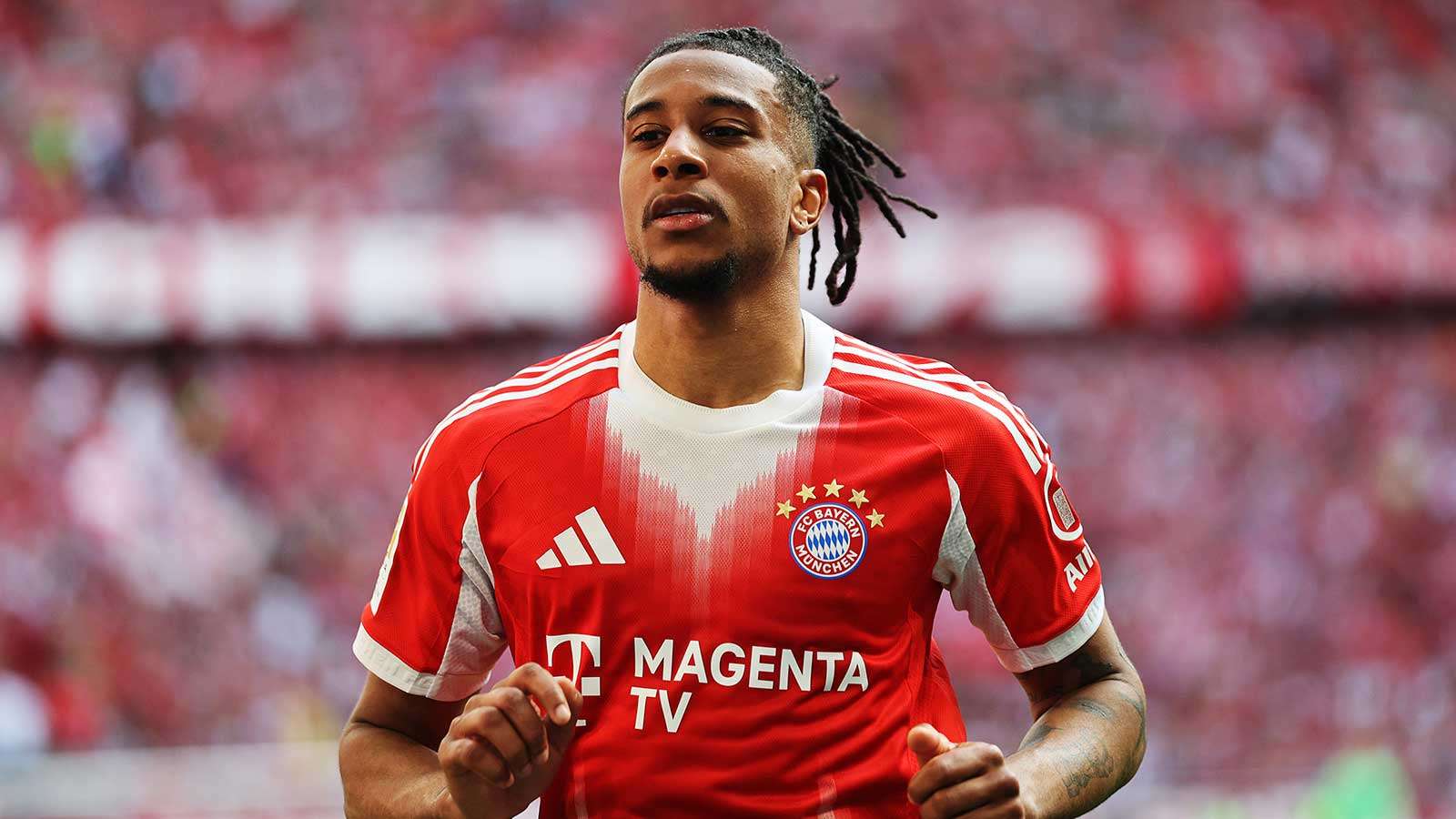
Real Madrid’s €223m Pursuit of Michael Olise from Bayern Munich Poised to Break Neymar’s Transfer Record
-
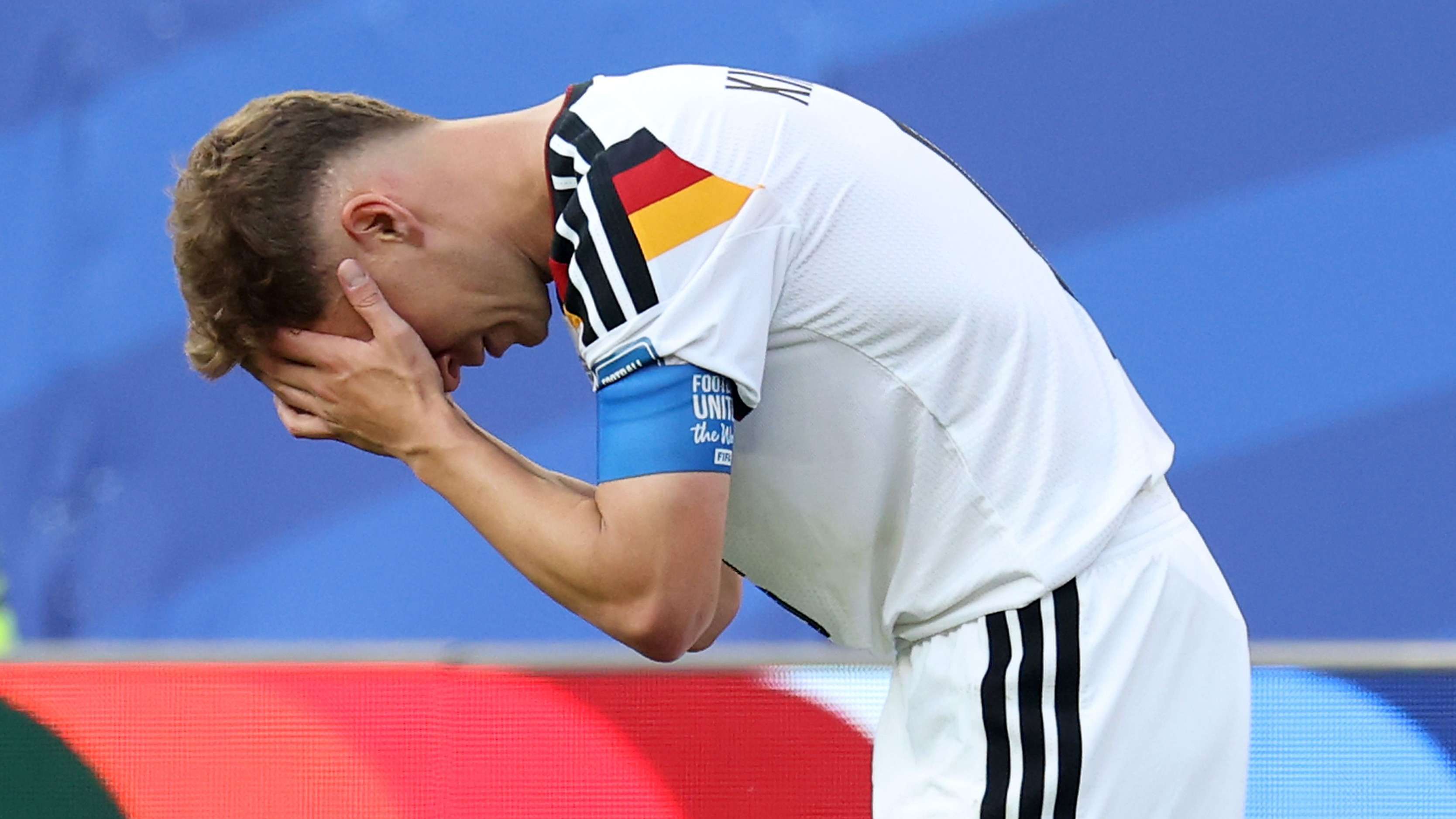
'It feels awful' – Joshua Kimmich concedes Germany fully deserved early World Cup elimination
-
France vs Sweden: Prediction and Preview for 2026 World Cup Round of 32 Clash in New Jersey
-
55 dead in five months: India’s manual scavenging crisis persists
-
Indian Startup Funding Slips 9% To $5.2 Bn In H1 2026