Looking good is no longer enough: Why beauty is quietly becoming the new wellness movement in India
ETimes | July 1, 2026 2:39 AM CST

There was a time when a trip to the salon meant one thing: getting ready for a wedding, a festival or maybe an important family function. Facials were reserved for special occasions, hair spas were considered indulgent, and skincare usually meant whatever cream happened to be on the dressing table.
Things have changed. Quite dramatically.
Today, a college student religiously follows a nighttime skincare routine after long hours of studying. A man in his fifties walks into a salon for a scalp treatment because he wants healthier hair, not because someone told him to. Young professionals are investing in skin consultations instead of chasing fairness creams, and grandparents are just as curious about sunscreen as their grandchildren.
Beauty isn't only about looking polished anymore. It's becoming deeply personal. For many people, taking care of their skin, hair or even their nails has become a way of slowing down after a hectic day, checking in with themselves and feeling better from the inside out.
In many ways, beauty has quietly become a part of wellness.

You can see it everywhere. Smartwatches remind us to breathe, meditation apps encourage mindfulness, people are paying closer attention to what they eat, and conversations around mental health have become more open than they were a decade ago. Naturally, beauty has followed the same path.
Instead of asking, "Will this make me look fairer?" people are asking different questions.
- Will this strengthen my skin barrier?
- Is this ingredient suitable for sensitive skin?
- Will this hair treatment improve my scalp health?
- Can this routine help me feel less stressed after work?
Those questions say a lot about how our relationship with beauty has evolved.
According to Samir Srivastav , CEO of Looks Salon, this shift is becoming impossible to ignore.
"Beauty today is increasingly becoming a gateway to wellness. As consumers become more conscious of their physical and mental well-being, we’re seeing strong adoption of wellness-focused habits and technologies, look at trending wearables. And At Looks, we’re bringing that same philosophy to our salons by introducing wellness therapies that make self-care more accessible. Consumers shouldn’t have to wait for a retreat to prioritize their well-being - they should be able to experience it as part of their regular grooming routine."
His observation reflects something many Indians are already experiencing.
The salon is no longer just a place where you get a haircut before Diwali. Increasingly, it's becoming somewhere people go to relax, disconnect from work notifications and spend an hour focusing on themselves.
It's no coincidence that head massages, scalp therapies, calming facials and stress-relief treatments are becoming more popular than ever before.
They're selling an experience, not just a service.
And perhaps that's exactly what people need.
Life today moves at an exhausting pace. Between office deadlines, endless notifications, family responsibilities and the pressure to always stay connected, carving out even an hour for yourself feels like a luxury.
That's probably why self-care rituals have become so important.
For some, it's applying a face mask on a Sunday afternoon. For others, it's a monthly pedicure, a relaxing facial or simply washing their face properly before bed instead of collapsing into sleep.
None of these routines are life-changing on their own.

But together, they create moments of pause in otherwise busy lives.
Interestingly, this shift isn't limited to young consumers.
Beauty brands once focused almost entirely on women in their twenties and thirties. Today, the customer base looks very different.
Teenagers are learning about ingredients before buying a cleanser. Millennials want products backed by science rather than celebrity endorsements. Men are building skincare routines without embarrassment. Older adults are investing in treatments that help them age comfortably instead of trying to look twenty years younger.
Beauty has become far more democratic than it used to be.
That's something Harshita Rai Khetan, Founder, The Skin Diet Company, has noticed firsthand.
"Today's consumers are no longer looking at makeup as a tool to simply enhance appearance; they want products that complement their overall self-care routine. We've seen a significant shift towards skin-first beauty, where people are paying attention to ingredients, skin compatibility, and long-term benefits. Beauty is becoming an extension of wellness, and consumers want products that help them feel confident while also caring for their skin."
The rise of ingredient-conscious shopping tells its own story.
Words like ceramides, niacinamide, peptides and hyaluronic acid, once limited to dermatology clinics, have quietly entered everyday conversations. Walk into any beauty store today and you'll probably overhear someone discussing whether a serum suits oily skin or whether a sunscreen leaves a white cast.
Five years ago, that conversation would have been rare.
Today, it's completely normal.
One thing that's impossible to miss is just how much people know about beauty today.
Not because everyone suddenly became a skincare expert, but because information is literally sitting in our pockets.
A few years ago, most of us bought a face wash because an actor on television said it worked. Now people stand in supermarket aisles reading ingredient lists. Someone in the family has probably forwarded a dermatologist's Instagram Reel. Someone else is explaining why a product contains niacinamide or ceramides over dinner.
Whether all that information is accurate is another story.
But one thing is certain - people are asking questions they never asked before.
- Does this actually suit my skin?
- Will this irritate my scalp?
- Is this worth the money?
It's no longer about buying the most expensive cream on the shelf. People want to know why something works.
That's a huge shift.
You can see it in the way people shop too.
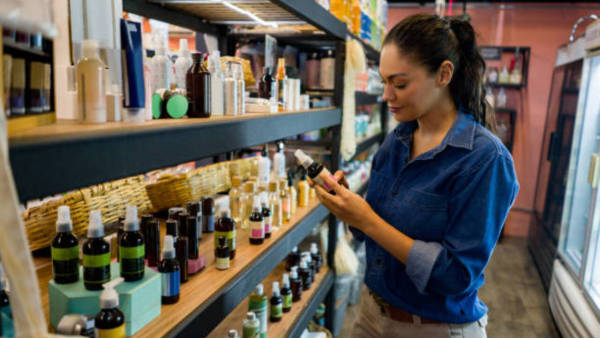
Earlier, makeup counters were all about finding the brightest lipstick or the latest eyeshadow palette. Today, someone buying foundation is just as likely to ask if it's non-comedogenic as they are to ask for the right shade.
Even conversations around makeup have changed.
There was a time when makeup was almost expected to "hide imperfections". Now people are talking about skin tints, lightweight formulas and products that let freckles peek through instead of covering them completely.
Healthy skin has become more aspirational than flawless skin.
That's exactly what Harshita Rai Khetan, Founder, The Skin Diet Company, has been noticing.
"Today's consumers are no longer looking at makeup as a tool to simply enhance appearance; they want products that complement their overall self-care routine. We've seen a significant shift towards skin-first beauty, where people are paying attention to ingredients, skin compatibility, and long-term benefits. Beauty is becoming an extension of wellness, and consumers want products that help them feel confident while also caring for their skin."
The interesting part is that this isn't happening only among younger people.
Walk into any salon on a weekend and you'll notice something that wasn't very common even ten years ago.
A teenager is getting advice on how to deal with acne before college starts.
A young professional is squeezing in a haircut between meetings.
A woman in her fifties is asking about treatments for thinning hair instead of simply accepting it as part of ageing.
And a man who once thought moisturiser was unnecessary is now picking up sunscreen before heading on holiday.
Different generations. Different reasons.
But they're all spending more time taking care of themselves.
Gen Z probably talks about skincare the loudest. They're curious, experimental and rarely shy about trying something new. One month it's a skin-cycling routine, the next it's barrier repair. Sometimes they overdo it, but they also remind everyone else that taking care of yourself isn't something to feel guilty about.
Millennials are a little different.
Most of them have lived through the era of fairness creams, ten-step beauty routines and countless miracle products that promised impossible results.
Today they're far more cautious. They'd rather spend money on one product that actually works than fill their bathroom shelf with things they'll never finish.
Then there are older consumers.
For many of them, grooming used to mean getting ready for weddings, festivals or family photographs.
Now it's becoming an everyday habit.
Not because anyone expects them to look younger, but because looking after yourself simply feels good.
Garima Juneja and Gaurav Mishra, Co-Founders, Praush Beauty , believe that's where the biggest change has happened.
"Beauty today is less about following trends and more about feeling good in your own skin. Consumers across age groups are embracing grooming and makeup as forms of self-expression and self-care rather than tools to fit into a particular standard. This evolution reflects a broader wellness mindset, where confidence, individuality, and emotional well-being are becoming just as important as outward appearance."
Another noticeable change? Men are no longer standing outside salons waiting for someone else.
They're booking appointments themselves.
They're asking questions about hair fall, pigmentation and skincare without whispering them.
For a long time, grooming for men was reduced to a haircut and shaving cream. Today, that's changing fast.
And honestly, it feels less like a trend and more like people finally giving themselves permission to take care of themselves without worrying about what anyone else thinks.
Walk into almost any mall today and you'll notice something interesting.
The salon isn't full of brides-to-be or people getting ready for a party. It's full of regular people on a regular day.
Someone has popped in after work for a haircut. A college student is getting a clean-up before the semester begins. A man is asking his stylist why his hair has suddenly started thinning. An elderly woman is browsing skincare because she's finally decided it's okay to spend a little on herself.
None of them are there because there's a wedding next week.
They're there because looking after themselves has become part of life.
That's probably the biggest change the beauty industry has seen over the last few years.
Earlier, beauty was often about fixing something. Today, people are treating it more like maintenance. Almost the way we think about going for a walk, eating better or getting enough sleep.
Brands have had to catch up with that shift.
Consumers don't get impressed by big promises as easily anymore. They've heard too many "miracle creams" and "seven-day transformations" over the years.
Now they ask different questions.
- What's in it?
- Will it suit sensitive skin?
- Is there any science behind these claims?
And sometimes they'll spend two evenings watching reviews before buying something worth ₹800.
Nikhil Bhatia, Director, HOK Makeup, says that's exactly what the industry is seeing.
"The beauty consumer has become far more informed and intentional than ever before. Whether it' s Gen Z exploring ingredient-led products or mature consumers investing in quality grooming essentials, there is a growing awareness that beauty and wellness go hand in hand. The increasing demand for global beauty brands, innovative formulations, and conscious purchasing decisions highlights how consumers now view beauty as a holistic lifestyle category rather than a standalone one."
The other thing that's changed is who beauty belongs to.
Not so long ago, grooming was largely marketed to women. Men had a haircut, maybe a shave, and that was about it.
That picture looks very different now.
Men openly discuss sunscreen, scalp health and skincare. Teenagers know ingredient names that their parents had never even heard of. And older adults, who once considered facials or specialised skincare unnecessary, are slowly warming up to the idea that taking care of yourself doesn't have an age limit.
Jhalak Shah and Kavya Hirpara , Founders, Diam Beauty, have noticed the same thing.
"The definition of beauty has evolved from simply looking good to feeling good. Today's consumers are approaching beauty with a wellness-first mindset, seeking products and routines that support confidence, self-expression, and overall well-being. What's particularly noteworthy is that this shift spans generations, whether it's Gen Z embracing self-care rituals or older consumers investing more consciously in grooming. Beauty is no longer viewed as a luxury or occasional indulgence; it has become an integral part of everyday wellness and personal care."
Maybe that's why the word beauty itself feels different today.
For many people, it isn't about looking younger than their age or chasing every trend that pops up online.
It's remembering to wear sunscreen before stepping out in Delhi's harsh summer.
It's finally booking that dentist appointment because oral health matters too.
It's choosing a head massage after an exhausting week instead of pushing through another Sunday.
It's buying a lipstick because the colour makes you happy, not because it's the shade everyone on Instagram is wearing.
Those are small things.
But put them together and they tell a much bigger story.
People aren't treating beauty like an occasional luxury anymore.
They're treating it the same way they treat good food, exercise or a decent night's sleep—as something that helps them feel a little better, every single day.
And perhaps that's where the beauty industry is really headed. Less pressure to look perfect. More permission to simply look after yourself.
READ NEXT
-
High Court HJS Vacancy 2026: Applications open for Higher Judiciary Service; check details here, including salary and fees...
-
IBPS PO Recruitment 2026: Applications open for 6,715 PO posts; check key details here, including fees and eligibility..
-
EPF Scheme 2026: Major changes to PF rules! From withdrawals to insurance... find out what has changed..

-
Didn't get a Tatkal ticket? Here’s how to secure a confirmed ticket under Premium Tatkal; learn the booking rules and the complete process..

-
EPFO New Rule 2026: EPFO changes rule—will the salaries of working professionals increase now?