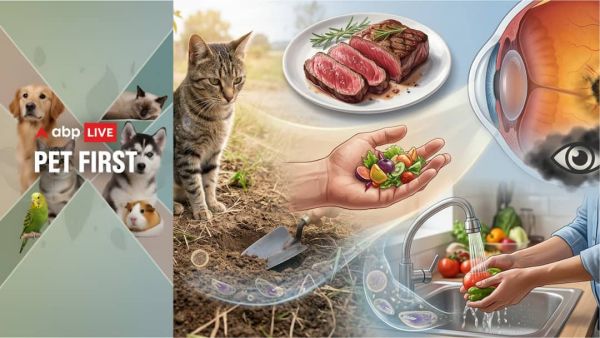
A new scientific review has raised concerns that a parasite commonly linked to cats may be far more widespread and harmful than previously understood. Researchers suggest that up to one in three people globally could have been exposed to toxoplasmosis, a parasitic infection that, in severe cases, can damage the retina and lead to permanent vision loss. Although the condition is both preventable and treatable, scientists behind the study are urging the World Health Organisation (World Health Organization) to officially classify toxoplasmosis as a neglected tropical disease, arguing that it has been overlooked in global health priorities despite its significant impact.
How The Infection Spreads And Why It Matters
The infection, known as Toxoplasmosis, is caused by a parasite that can be transmitted in several everyday ways. People may become infected through eating undercooked meat, consuming contaminated fruits or vegetables, drinking unsafe water, or coming into contact with cat faeces. Cats are the parasite’s primary host and can themselves become infected by hunting and eating raw meat, birds, or rodents. From there, the parasite can spread into the environment and enter the human food chain. While many infected individuals experience no symptoms, the infection can be especially dangerous in vulnerable groups. In severe cases, it can trigger inflammation in the eye, damaging the retina and potentially causing irreversible blindness.
Why Scientists Want Global Health Recognition
Researchers argue that toxoplasmosis has not received the level of attention or funding given to other diseases with comparable global impact. They believe formal recognition by the World Health Organization as a neglected tropical disease would help unlock more research funding and improve prevention strategies. Experts involved in the study emphasise that the disease is not unavoidable. Stronger food safety practices, improved sanitation, safer water supplies, better prenatal care, and responsible management of stray cat populations could significantly reduce transmission. They also highlight the importance of a “One Health” approach, which connects human, animal, and environmental health efforts to control diseases that move between species. Without stronger global action, researchers warn that progress in controlling toxoplasmosis may continue to lag behind its true public health impact.
Disclaimer: The information provided in this article is intended for general informational purposes only. It is not a substitute for professional veterinary advice, diagnosis, or treatment. Always consult a qualified veterinarian regarding your pet’s health, diet, or any medical concerns.