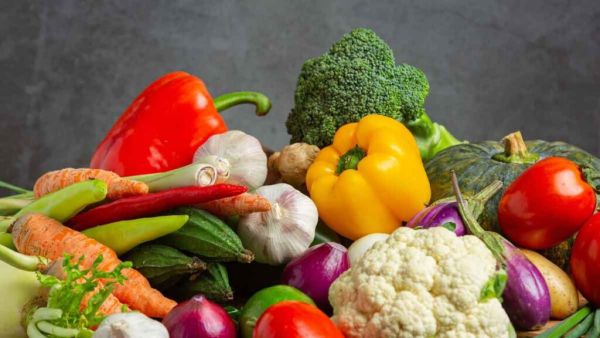
Tezzbuzz Desk- It is advisable to take special care regarding eating habits during the rainy season. During this time, due to moisture and dirt, bacteria and fungus can grow rapidly in vegetables, which increases the risk of food poisoning and stomach infections. According to health experts, avoiding some vegetables during monsoon is important for health.
Why does the risk of infection increase in monsoon?
Due to high humidity in the environment during the rainy season, bacteria and fungus easily develop on vegetables. Many times, even after thorough washing, it is difficult to remove these microorganisms completely, which increases the chances of stomach infection and food poisoning.
Avoid cauliflower and cabbage
It is advised to avoid eating vegetables like cauliflower and cabbage during monsoon. Moisture and dirt can get trapped between their layers, increasing the risk of fungus and bacteria growing.
Mushrooms can be risky
Mushrooms become infected very quickly. Even slightly spoiled or contaminated mushrooms can cause food poisoning. For this reason, it is advised to consume mushrooms with caution during the rainy season.
Eat spinach and leafy vegetables with caution
Soil and microbes can easily stick to leafy vegetables like spinach. Even cleaning them completely during the rainy season is sometimes not enough, which can increase the risk of stomach infection.
There is danger in coriander and mint also
Herbs like coriander and mint grow very close to the soil, so bacteria and germs are more likely to stick to them. It is considered better to use them in limited quantity during monsoon.
Eat these vegetables
According to experts, vegetables with less water and well cooked are safer in monsoon. These include gourd, parwal, pumpkin, beans and okra. These vegetables are also considered light for digestion.
Dal and Rajma are also safe options
During the rainy season, pulses, gram and kidney beans can be consumed for protein. These are not only safe but also help in keeping the body’s immunity strong.
It is very important to adopt proper eating habits during monsoon. A little caution can prevent food poisoning and infection. In such a situation, including only fresh, well-cooked and low-risk vegetables in the diet is beneficial for health.
-
Declan Rice’s Return is an Obvious Choice – But Who Claims the Wing Spots? England’s Ideal XI Against DR Congo as 2026 World Cup Knockouts Kick Off

-
Monsoon Travel India: Traveling in the rain is a different fun, know 5 such places in India which become heaven in monsoon.

-
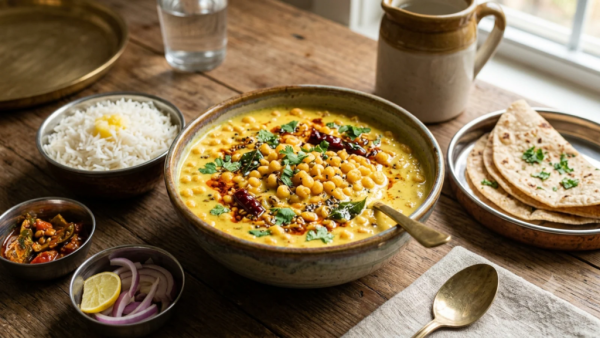
Quick Boondi Kadhi Recipe When There’s No Time To Make Pakodas
-
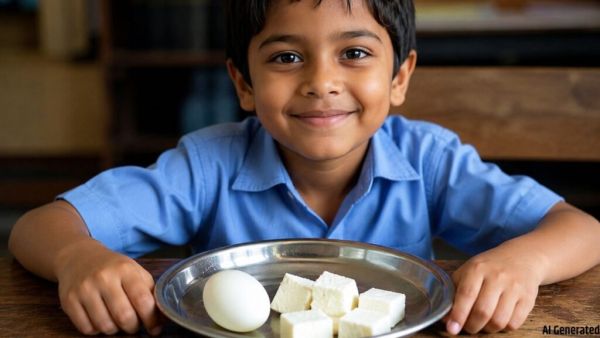
If eggs are not available, how will protein needs be met? Which is better for cheese or egg protein, what the doctor told
-
If eggs are not available, how will protein needs be met? Which is better for cheese or egg protein, what the doctor told