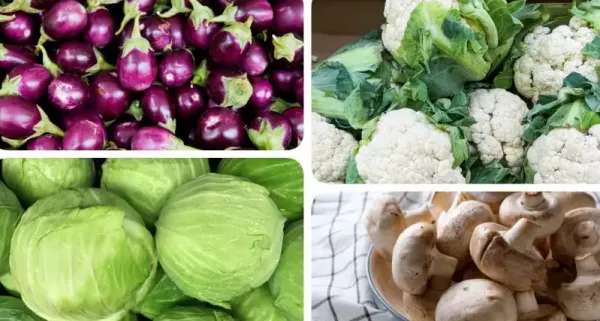
Selection of vegetables to eat in rainy season
Which vegetables to avoid in rainy season: Consuming some vegetables during the rainy season can be harmful to health. It is necessary to take special care at this time. These vegetables are more likely to harbor bacteria, fungus and insects. Due to increased moisture and humidity during rains, these vegetables can cause problems like stomach infection, food poisoning, vomiting and diarrhea. Let us know which vegetables should be avoided.
Leafy vegetables like spinach and fenugreek: These vegetables grow close to the ground, making them susceptible to soil, bacteria and insects.
Cauliflower and Cabbage: Due to moisture between their layers and florets, fungus and small insects can remain hidden, which are difficult to clean.
Mushrooms: Due to growing in humid environment, they are more prone to bacterial infection.
Brinjal: It is common for brinjal to be attacked by insects during the rains, which can cause skin allergies or stomach problems.
Capsicum: Consuming it in this season can cause stomach cramps, nausea and diarrhea.
Raw vegetables and salads: Uncooked vegetables can contain dangerous bacteria like salmonella and E-coli.
Ways to avoid infection
Wash off with warm water: If you want to eat leafy vegetables, soak them in lukewarm water with salt or vinegar for at least 15-20 minutes.
Cook thoroughly: Instead of eating raw or half-cooked vegetables, eat them completely boiled or cooked so that all the germs die.
Eat fresh food: Food spoils quickly in the rain, so always eat freshly prepared hot food.
-
Trending: How a Korean creator found her heart in Hyderabad

-
Bengaluru Metro disrupted after woman jumps onto tracks

-
86% Indians Prioritise Protein, 61% Prefer Natural Sweeteners Over Sugar In Snacks: Report

-
Neymar Fully Fit and Ready for World Cup Action, Says Brazil Coach Ancelotti

-
July Indian nonfiction: Six new titles that encourage readers to see the world around them anew