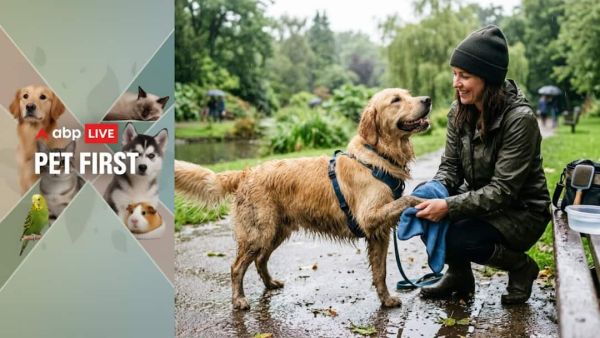
The arrival of the monsoon often brings welcome relief from the summer heat. However, for pets, the rainy season can also introduce a unique set of health challenges. Increased humidity, damp surroundings, muddy walks and fluctuations in routine can affect everything from skin health and digestion to overall well-being.
While monsoon-related concerns are common, most can be managed effectively through preventive care, good hygiene practices and appropriate nutrition. Understanding how the season affects pets is the first step towards helping them stay healthy, comfortable and active throughout the rains.
Pet First | 4 Nutrient-Rich Oils That Can Boost Your Dog's Health Naturally
Why Skin Health Deserves Special Attention During Monsoon
Among the most common concerns observed during the monsoon are dermatological issues. Constant exposure to moisture, muddy surfaces and humid weather can create conditions that may increase the risk of skin irritation, bacterial infection, fungal infections and other skin-related discomforts.
Pets are closer to the ground and are more frequently exposed to wet grass, puddles and damp surfaces during walks. Moisture trapped in the coat or between the paws can contribute to irritation, infection and discomfort if not addressed promptly. Pet parents may notice their dog licking its paws more often than usual, scratching repeatedly or developing an unpleasant odour from the coat.
Early recognition of these signs and timely veterinary consultation can help prevent minor issues from progressing into more significant skin concerns.
The Role Of Nutrition In Supporting Overall Health
Nutrition plays an important role in supporting a pet's overall health year-round, but it becomes especially evident during seasonal transitions.
Consistency is key. Frequent diet changes, excessive treats, or irregular feeding schedules can sometimes lead to digestive upset. During the rainy season, the levels of microbes in the environment tend to rise, increasing the risk of digestive disturbances in pets. Feeding them high-quality, nutritious food can support the growth of beneficial gut bacteria, helping to keep their digestion healthy and reduce the likelihood of such issues.
At the same time, a well-balanced diet, especially one rich in key nutrients like Vitamins A, D, and E, along with zinc and Omega-3 and Omega-6 fatty acids, plays an important role in strengthening the skin barrier during the monsoon. This helps protect pets’ skin and keeps them healthy even in humid conditions.
Nutritional needs can vary depending on a pet's age, size, breed and health status, which is why veterinary guidance remains important when making feeding decisions.
Food storage also deserves attention during humid weather. Exposure to moisture can affect food quality, making proper storage practices essential. Pet food should be stored in clean, airtight containers and feeding areas should be kept dry and hygienic. Water bowls should be cleaned regularly, as damp conditions can encourage bacterial growth.
Hygiene: One Of The Simplest Preventive Tools
Good hygiene practices can go a long way in helping pets navigate the monsoon season comfortably.
After outdoor walks, wiping the paws, underbelly and coat can help remove mud, moisture and environmental contaminants. Particular attention should be paid to the paws, as moisture trapped between the toes may contribute to irritation over time.
Bathing is usually recommended once every 1 to 3 months, depending on the pet’s breed. During the monsoon, it’s better to bathe them less frequently. However, ensuring that pets are thoroughly dried after a bath or a rainy walk is essential. A damp coat can create conditions that favour skin discomfort and microbial growth.
Similarly, bedding, blankets and resting areas should be cleaned and dried regularly. Maintaining a clean and well-ventilated environment helps reduce prolonged exposure to dampness and supports overall comfort.
Supporting Immunity Through Preventive Care
Good immunity is not built overnight. It is supported by a combination of proper nutrition, routine healthcare and an active lifestyle.
Regular veterinary check-ups, timely vaccinations and parasite (both internal and external) control remain important throughout the year, particularly during the monsoon when fleas, ticks, mites and lice tend to be more active. Preventive healthcare not only helps protect against seasonal risks but also allows veterinarians to identify potential concerns before they become more serious.
Physical activity should also remain part of a pet's routine. While outdoor exercise may sometimes be limited by weather conditions, indoor games, enrichment activities and training sessions can help support both physical and mental well-being.
A Little Extra Care Goes A Long Way
The monsoon does not have to be a stressful season for pets or pet parents. Rather, it involves paying closer attention to everyday habits that support a pet's health and comfort.
By focusing on skin health, maintaining good hygiene practices, ensuring consistent nutrition and keeping up with preventive healthcare, pet parents can help their pets enjoy the season safely. Small, proactive steps today can go a long way in supporting long-term health and well-being, allowing pets to make the most of the rainy season alongside their families.
-
Vatican excommunicates rebel SSPX bishops

-
Swara Baby Products Files DRHP, Parent FirstCry To Sell Shares Worth ₹300 Cr

-
Income Tax Return 2026: Don't Miss the Deadline—Know the Right ITR Form

-
Is this Bilal Abbas Khan’s new Pakistani drama? [Video]

-
'I woke at 4am to join Wimbledon queue but wasn't prepared for what happened next'