
In an interview with BBC earlier this week, Cape Verde president Jose Maria Neves fancied his country’s chances of a 1-0 win in last 32 over reigning champions Argentina on Friday. Before the 2026 FIFA World Cup began, one could have dismissed it as a pep talk for the team but the way things have panned out so far, the football fan may be wondering – you never know with these African teams.
Just think about last night when DR Congo, outsiders even in African football heirarchy, led England by a goal till 75 minutes before Harry Kane’s heroics secured a 2-1 victory to send the English to last 16. Later at night, Senegal led Eruopean powerhouse Belgium 2-0 before losing 3-2 in a heartbreaker of a shootout.
The shootouts have played spoilsport in many a country’s knockout dreams in history but then, fortunes smiled for Morocco when they dumped favourites The Netherlands in an error-prone tiebreaker to make their way to last 16 on Monday.
The Atlas Lions, however, have ceased to surprise us since they upset some of the biggest names in the game – that too in a 32-national affair in Qatar – to become the first country from Africa to make the semi-finals.
World Cup: Morocco, the Atlas Lions, show 2022 was no flash in the panThe spunky show from the African nations, whereby nine of the 10 countries from the dark continent made to the knockout stages with only Tunisia missing out, had emerged as one of the biggest pluses of the extended format – which had invited mixed reactions so far. It’s in sharp contrast to Asia’s performance from where only two out of the nine countries made the next round.
Looking at the bigger picture, Bubista – the long serving coach of Cape Verde who played a key role in shepherding the underdogs’ dream since 2020 - said: “This 48-team World Cup shows that football is for everyone, not just for the most developed countries. It’s also for the poor and we’re very happy that less wealthy countries like us can take part. What happens on the pitch proves us right; I hope we’ll make our contribution, as a small country, for as long as possible.”
A glance at the track record of African teams in previous World Cups will bring the contrast in sharp focus.
In 2014, only two African nations advanced to the knockout phase while in 2018, none of the five African teams survived the group stage. Compare that with the ongoing edition where only Tunisia failed to survive the early round. Cape Verde, Egypt, Ivory Coast, Morocco and South Africa finished runners-up in their groups while Algeria, Congo, Ghana and Senegal advanced as placed finishers.
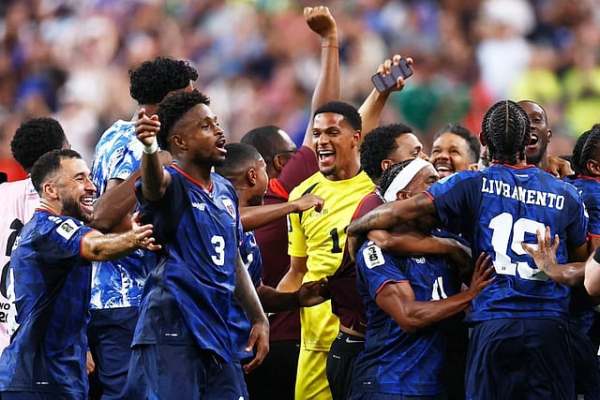 Bubista's Cape Verde believe in the theory: ''impossible is nothing''
These are all major breakthroughs for a continent rich in talent, often drawing from the diaspora, but had been under-represented on the sport’s biggest stage and whose soccer success was often stymied by financial struggles and administrative corruption. Before Morocco’s 2022 run, the best African World Cup results were quarter final appearances by Cameroon (1990), Senegal (2002) and Ghana (2010).
How did the expansion of the World Cup field help Africa in the build-up ? For starters, the expanded field from 32 teams to 48 doubled the African representation from five spots to nine (plus a 10th spot from an inter-continental playoff, which Congo earned after beating Jamaica in March). In the lead-up to previous World Cups, 54 African nations competed for five spots while 55 European teams vied for 13 spots – while it certainly looked an even playing field this time.
Congratulating all the African teams in the fray, Patrice Motsepe, president of Confederation of African Football (CAF) said: “The players and technical teams have made each of their countries proud and have also made the 1.6 billion people on the African continent and in the diaspora, proud. The global competitiveness and world class quality of African football is being recognized and highlighted by the victories and qualification to the World Cup Round of 32, by each of the nine African national teams.
Theirry Henry, World Cup winner and TV punditObviously, more teams are getting into the competition, which allows them to have these opportunities. But not only are there more African teams, more African players are playing, guys that can pick from two nations‘’It is becoming more common for African soccer federations to scour European clubs and academies for talented players with dual nationality and invite them to play for the countries of their family origin. That has been going on in other parts of the world, including the United States, for many years,’’ Motsepe observed.
Weighing in on the subject, TV pundit Thierry Henry, who won a World Cup with France, said of the recent African success: “Obviously, more teams are getting into the competition, which allows them to have these opportunities. But not only are there more African teams, more African players are playing, guys that can pick from two nations.’’
How long will it be before the football aristocracy is broken and an African country becomes the World Cup champions? Only time can tell!
-
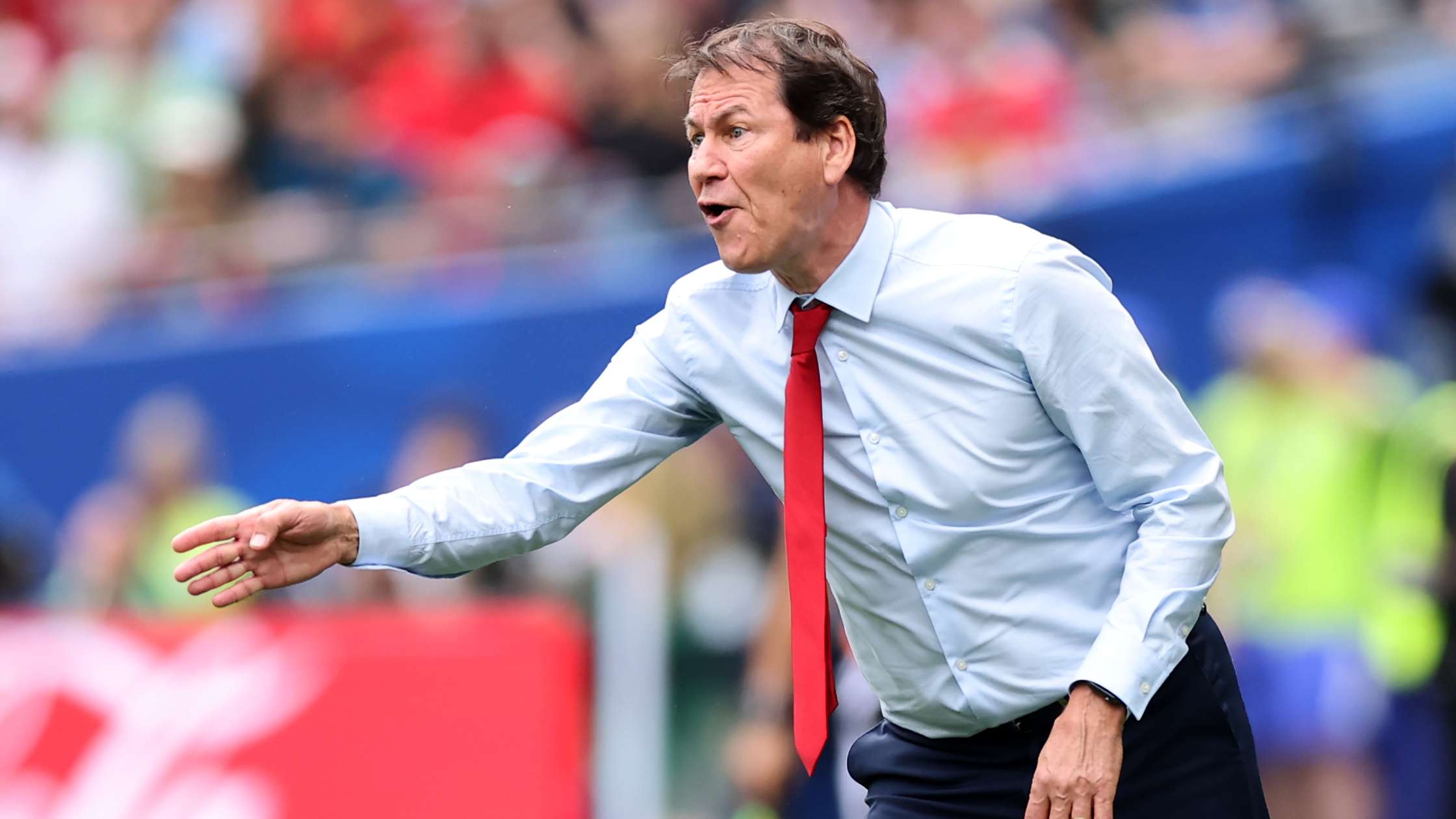
'A costly error' – Belgium coach Rudi Garcia reveals how his side exploited Senegal’s main flaw as Romelu Lukaku and team stage late World Cup comeback victory
-
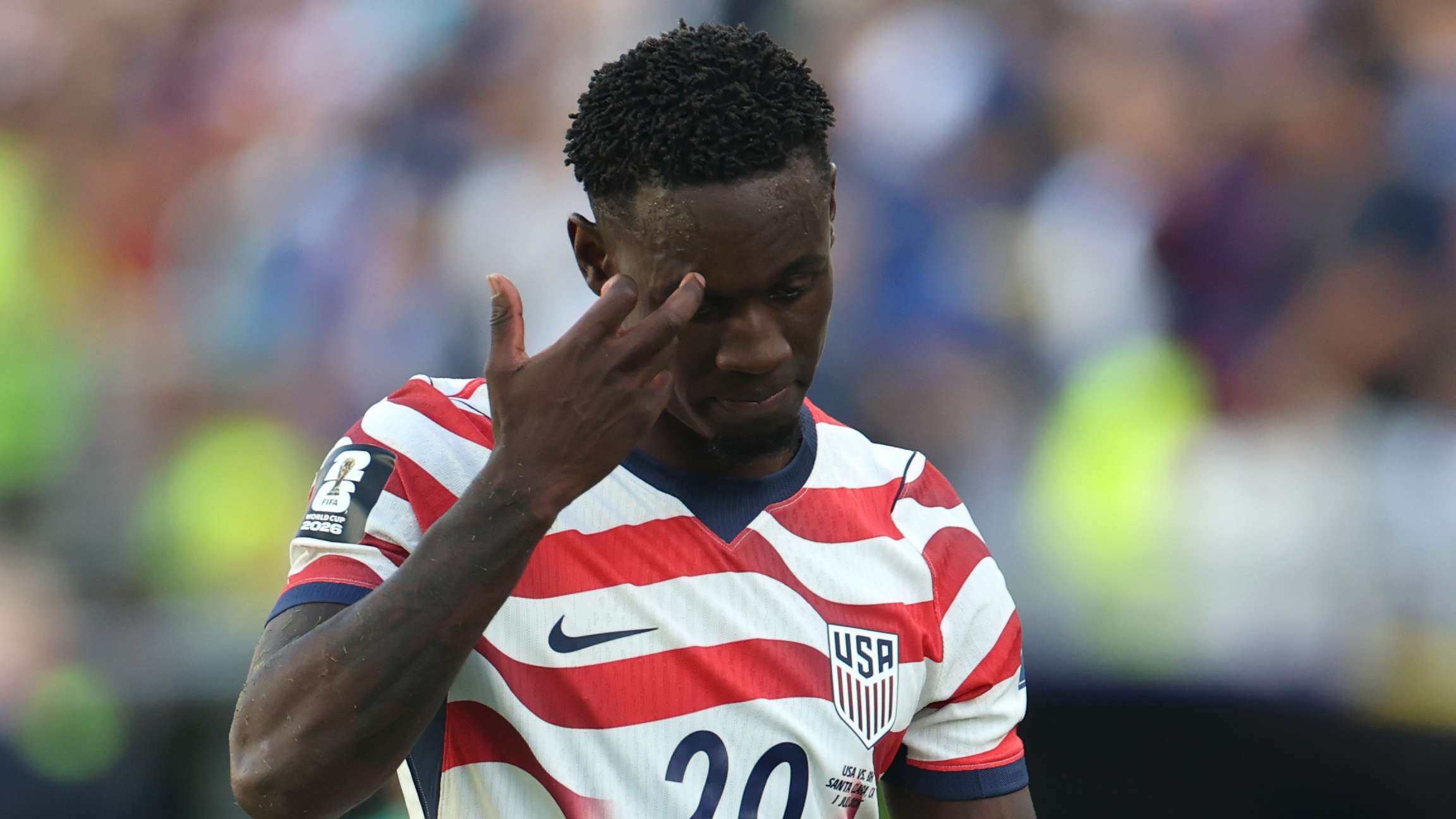
'Unfair Call' – Why the USMNT Cannot Challenge Folarin Balogun’s Red Card in World Cup Win Over Bosnia and Herzegovina as Christian Pulisic Sends Message of Support
-
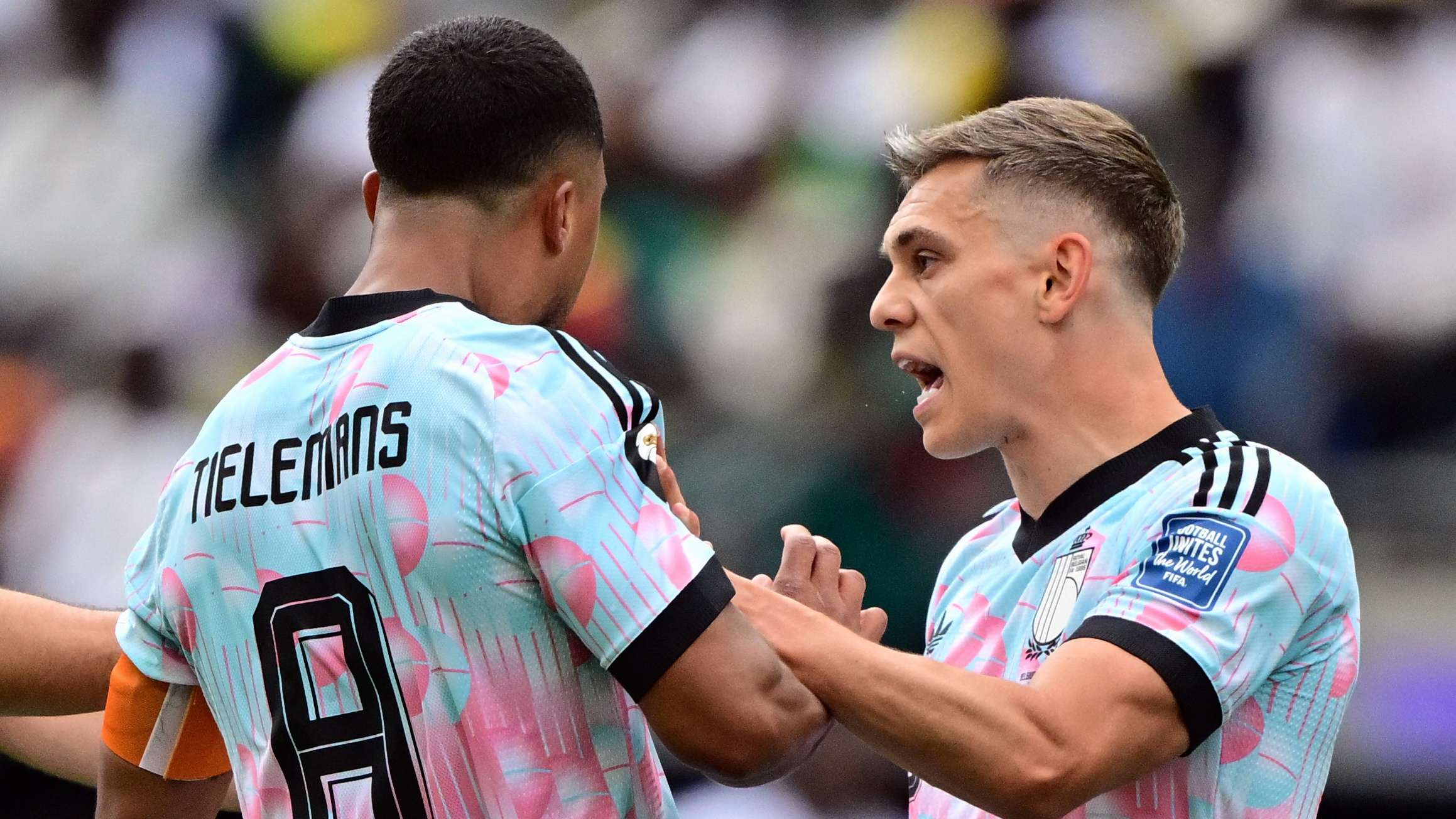
Youri Tielemans downplays on-field clash with Leandro Trossard as Belgium overcome Senegal in World Cup last-32 clash
-
Hyderabad Wonderla visitors face Islamophobic slur, slam management

-
UK Minister Lisa Nandy Quits X, Says Platform 'Favours Abuse And Misinformation'