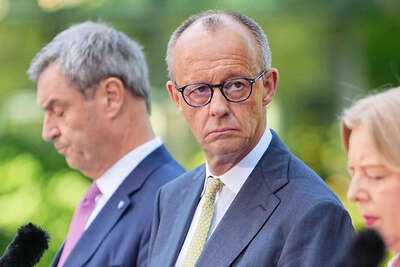
In a significant move to enhance the economy, Chancellor Friedrich Merz has introduced extensive labor reforms in Germany. These changes may require workers to present a medical certificate from the very first day of illness, aiming to tighten the sick leave policy. This shift is part of a broader initiative to rejuvenate Europe's largest economy, making it more competitive.
Details of the Sick Leave Policy
Under the new proposal, employees will find it more challenging to take sick leave without proper documentation, replacing the previous system that allowed for reporting illness via phone or text. Merz acknowledged the difficulty of this decision, stating, "We can no longer afford the competitive disadvantage caused by prolonged absences from work." This stricter sick leave policy is one of 34 measures aimed at enhancing productivity and economic growth.
Comprehensive Economic Reform Package
Merz confirmed that the ruling coalition has reached a consensus on the reform package, with plans to pass essential provisions through Parliament by year-end. The reforms aim to bolster Germany's economy while reducing bureaucratic hurdles, lowering taxes for many, and maintaining the social welfare system. "We are committed to cutting red tape and easing the burden on both employees and businesses," he stated.
Increased Flexibility for Employers
In addition to the sick leave changes, the reform package will grant employers more flexibility regarding hiring and employment contracts. Companies will be permitted to offer fixed-term contracts lasting up to four years for new hires until 2030. Furthermore, businesses will have enhanced options for negotiating dismissal agreements with high-income employees.
Tax Cuts and Pension Reforms
The reform initiative also includes €10 billion ($11.4 billion) in income tax reductions, primarily benefiting lower- and middle-income earners. To fund these cuts, the government plans to raise taxes on individuals earning over €250,000 annually. Finance Minister Lars Klingbeil remarked, "The highest earners will shoulder a larger share of the tax burden, which is fair for the progress of our country." Additionally, the government intends to reform the pension system, potentially raising the retirement age beyond 67 to address demographic and fiscal challenges.
Conclusion
If enacted, these reforms would represent one of the most substantial overhauls of Germany's labor and economic policies in recent years, aiming to reshape workplace regulations while fostering growth and enhancing competitiveness.
-
FIFA World Cup 2026: Ronaldo's Penalty Inspires Portugal To Dramatic 2-1 Win Over Croatia

-
Russia Pounds Kyiv With Missiles, Drones; 27 Killed In Deadliest Attack This Year

-
Divyanshu Malhotra's Journey: From West Delhi to Directing Ab Hoga Hisab Season 2

-
Quote of the day by Jackie Chan: 'In work and in life, no matter how smart, talented, and beautiful you are, you also have to be a good person,' when the global action icon reminded the world that talent without decency is never enough

-
Taylor Swift and Travis Kelce wedding: Film crew and cameras arrive at venue; spark wedding film rumoures after couple turn down multi-million-dollar streaming deals