
Ayurveda for Menstruation: In today’s busy life, health problems like irregular periods, pain, bleeding and hormonal imbalance are increasing rapidly. In India alone, 44 million women suffer from it. Ayurveda does not consider these problems as just a disease, but looks at the balance of the entire body.
According to Ayurveda, menstruation is an indicator of women’s health and periods provide information to a woman’s health. The quality of periods depends on the balance of nutrition, digestion and doshas (vata, pitta and kapha) of the body.
What is the importance of menstruation in Ayurveda?
It is said in Ayurveda that the blood flowing during menstruation is a by-product of the first dhatu of the body, Rasa dhatu. In modern science it is called lymph and it nourishes the body.
When food is properly digested, the fluid produced from it reaches the entire body and provides nutrition and moisture to all the organs and tissues. After some time these rasa dhatus change into rakta dhatu. Due to which periods and breast feeding are controlled.
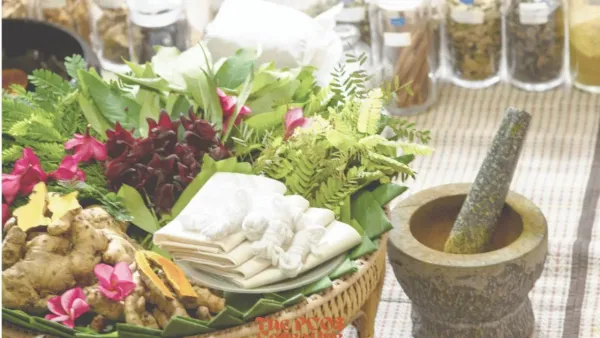
Periods (Photo.Social Media)
normal menstruation
- The menstrual cycle is usually 25 to 30 days.
- Bleeding lasts for 3 to 7 days.
- There is no excessive pain.
- Blood flow remains normal.
- There is no excessive weakness or discomfort in the body during menstruation.
In Ayurveda, women are advised to take more rest during periods and give adequate rest to the body.
When Vata Dosha increases in the body
- severe pain and cramps
- less bleeding
- dark blood
- blood clots
- Constipation
- gas and flatulence
- insomnia and anxiety
When pitta dosha increases
- excessive bleeding
- burning sensation
- bright red blood
- pain in breasts
- pimples
- irritability
- Risk of problems like endometriosis
When Kapha Dosha increases
- heaviness in body
- Water Retention
- Abdominal distension
- lethargy
- Pain in the last days of periods
- Possibility of developing cysts or fibroids
In case of vata imbalance
- Eat hot, mildly spicy and easily digestible food.
- Avoid cold, dry and raw things.
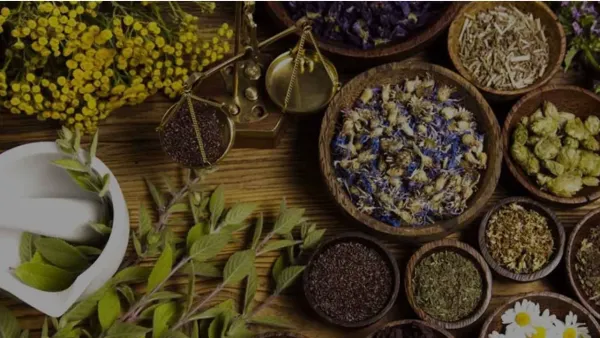
Periods (Photo.Social Media)
In case of bile imbalance
- Reduce spicy, fried, sour food.
- Avoid alcohol and excess coffee.
- Take more milk, rice and green vegetables.
In case of Kapha imbalance
- Reduce heavy, sweet and oily food.
- Eat light, hot and spicy food.
Ayurvedic herbs for women’s health
-
Asparagus
Asparagus is considered the best herb for women. It is considered helpful in nourishing the uterus, treating irregular periods, pain and excessive bleeding.
-
Aloe Vera
Aloe vera, known as Ghritkumari in Sanskrit, helps cool the body and balance all three doshas. It is considered beneficial during menstruation and menopause.
-
Ashoka
Ashoka bark has long been used in women’s health. According to Ayurveda, it helps in problems like excessive bleeding, pain, weakness of the uterus and cysts and fibroids.
-
Rose
Rose has a cooling nature, hence it provides coolness to the body. It helps with pain, heavy bleeding and problems caused during PMS.
-
BBC’s Full Line-Up of Commentators, Analysts and Presenters for Portugal vs Croatia Clash

-
Julian Nagelsmann resigns as Germany manager amid Jurgen Klopp speculation after World Cup heartbreak

-
SIR in Hyderabad: Issue of deleted voters with EPIC card flagged

-
‘Tejo Mahalaya’ dispute reaches Allahabad HC; hearing on July 6

-
Louis Saha reacts to Real Madrid’s reported €223m pursuit of Bayern Munich star Michael Olise: ‘Those are crazy numbers’