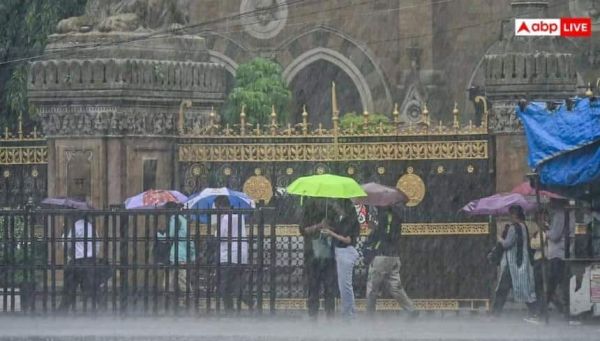
Monsoon provides respite from the intense summer heat, but it also fosters the growth of germs, viruses, fungi and insects that spread disease. During the rainy season, diseases like dengue, chikungunya, leptospirosis, gastroenteritis, fungal skin infections and respiratory disorders are more common due to stagnant water, excessive humidity and inadequate sanitation.
The World Health Organization (WHO) states that good daily habits and basic hygiene practices help avoid many of these illnesses. According to experts, maintaining good personal and household hygiene during the monsoon is just as crucial as getting medical attention as soon as symptoms manifest.
Here are five hygiene habits that can help reduce the risk of falling ill this monsoon.
1- Wash Your Hands More Often Than Usual: Dirty surfaces, muddy water and shared public areas in the rainy season increase the risk of contracting germs. One of the simplest and most effective strategies to avoid infections, according to WHO, is to wash hands with soap and clean running water for at least 20 seconds before meals, after using the restroom, after handling waste and after coming home. Although experts emphasise that proper handwashing is still the best option whenever possible, a hand sanitiser with at least 60 per cent alcohol can offer temporary protection if soap and water are unavailable.
2- Don't Ignore Foot Hygiene: During heavy rains, it may seem inevitable to walk across flooded streets, but extended contact with contaminated water can raise the risk of bacterial skin infections, athlete's foot and fungal infections. Fungi grow quickly in warm, moist conditions, according to the UK National Health Service (NHS). When you go home, doctors advise you to wash your feet well, dry them carefully, especially between your toes and change out of wet shoes and socks right away. Another way to reduce extended exposure to wetness is to wear shoes that are quick-drying or waterproof.
3- Be Extra Careful With Food And Drinking Water: Germs grow more quickly in warm, humid environments; food and water contamination increase during the monsoon. Contaminated food and contaminated drinking water continue to be major global sources of diarrheal diseases, according to the Centers for Disease Control and Prevention (CDC). Experts recommend eating freshly prepared meals, drinking boiled, filtered or well-treated water and avoiding food that has been exposed for extended periods of time. While raw salads and street food can only be consumed when prepared in a hygienic manner, fruits and vegetables should be completely cleaned before eating.
4- Keep Your Home Dry And Mosquito-Free: The spread of seasonal illnesses can be considerably decreased with a clean home. The WHO states that mosquitoes that spread dengue and chikungunya find perfect breeding grounds in stagnant water gathered in flower pots, buckets, coolers, abandoned tyres, and rooftop containers. Health professionals advise keeping living areas well-ventilated, making sure the home has enough drainage and draining standing water at least once a week. Reducing indoor moisture can also help stop the growth of mould, which can aggravate asthma symptoms and cause allergies.
5- Change Out Of Wet Clothes Promptly: Doctors caution that prolonged dampness against the skin raises the risk of fungal infections and skin irritation, even though many individuals stay in damp garments after getting caught in the rain. The American Academy of Dermatology states that changing into dry, clean clothes as soon as possible lowers microbial development and protects the skin's natural barrier. To further reduce the chance of infection, take a bath after coming home from the rain, keep your nails clipped and cover any scrapes or sores.
It's not necessary to experience frequent illness during the monsoon season. The risk of seasonal diseases can be significantly reduced, according to public health experts, by practising basic hand hygiene, keeping feet clean, selecting safe food and drinking water, minimising mosquito breeding and avoiding extended exposure to moist clothing. Incorporating these precautions into daily life can help safeguard individuals and families during the rainy season, even though they cannot completely remove all health risks.
-
Donation ‘theft’: Yogi Adityanath defends Ram temple trust

-
TTE suspended over honeymoon decoration in train

-
Yash, Ranbir Kapoor's Ramayana Trailer To Launch In Delhi On July 18: Reports

-
Monsoon Mayhem: IMD Puts Delhi On Red Alert; Mumbai Battles Flooding, Transport Chaos
-
New Indian passport centres in UAE ready, but sit empty amid court case