These online rules could protect your child from digital dangers, according to a cybersecurity experts
ETimes | July 10, 2026 6:40 PM CST

The internet has now become a part of a child's life. Homework, entertainment, games or staying connected with friends, internet plays a big role in it. But alongside these benefits come risks that many parents don't always see- cyberbullying, online predators, explicit content, scams, and unhealthy screen habits.
While many parents focus on limiting screen time for their children, cyber security expert Ben Gillenwater believes how children use technology is just as important as how long they use it.
Through a recent Instagram video, cybersecurity expert Ben outlined the five things he would never allow his own children to do online. His advice isn't about making children fear technology. Instead, it encourages parents to build safer digital habits before giving children greater independence online.
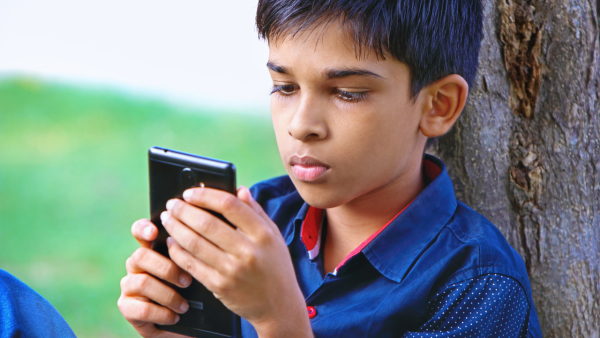
Here's what he recommends and why these rules matter:
“I would never expose them to social media.”
The expert begins with his strongest recommendation: “I would never expose them to social media.” He continues with a strong data and notes, “because social media and its addictive algorithms are responsible for a four hundred percent increase in suicides over the past ten years.”
Instead of rushing children onto social media because "everyone else has it," parents can delay access, use age-appropriate platforms, and regularly discuss what children experience online.
Avoid anonymous online chats until children are ready
His second rule focuses on a danger many parents underestimate. Many online games, chat apps, and social platforms allow strangers to communicate with children anonymously. While many conversations are harmless, these spaces can also be used for grooming, manipulation, or financial scams. “I would never expose them to anonymous online chat. Anonymous online chat is where predators hunt for children. And so until a kid is ready to identify red flags and ready to say no to sextortion, I would say no to online chat,” notes Ben.
Teaching children some simple safety rules such as; never to share personal information, never agree to meet online friends in person, and informing someone makes them uncomfortable or asking for photos can help them recognize manipulation.
Keep technology in shared family spaces
The third rule is surprisingly simple. “I would never let my kids use technology in private areas of the home. Public areas only. So that tech doesn't go in bedrooms and it doesn't go in bathrooms,” says the cyber security expert. This is an effective method because keeping screens in common family areas naturally increases supervision without making children feel constantly monitored. Many family media plans recommend creating "screen-free bedrooms" to encourage healthier digital habits.
Talk about sextortion before giving a smartphoneAccording to the expert, the conversation should happen before the device enters a child's hands. Sextortion has become one of the fastest-growing online threats affecting teenagers. Criminals may trick children into sharing intimate images and then demand money or threaten to distribute the pictures. “I would never give a kid a smartphone without having a conversation about sextortion and what that looks like and the risks of sending naked photos over the internet,” says the expert.
Although these conversations can feel uncomfortable, experts say discussing body safety, privacy, consent, and digital permanence early makes children more likely to seek help if something goes wrong.

Don't let children watch YouTube unsupervisedThe final recommendation addresses one of the world's most popular platforms. “Never let them watch YouTube unsupervised because YouTube has a bunch of really inappropriate and explicit rabbit holes that it'll send people down, especially kids. And until you're ready for them to see sexual material, you probably shouldn't let them watch YouTube without you watching it with them." Even videos that appear child-friendly can sometimes lead to unexpected recommendations through autoplay or algorithm-driven suggestions.
Parents can reduce these risks by using YouTube Kids where appropriate, turning off auto play, reviewing viewing history regularly, and talk about what children watch instead of only restricting it.
The bigger lesson for parents
Technology itself is not the enemy. The real goal is to help children develop the judgment and confidence to navigate the digital world safely.
While many parents focus on limiting screen time for their children, cyber security expert Ben Gillenwater believes how children use technology is just as important as how long they use it.
Through a recent Instagram video, cybersecurity expert Ben outlined the five things he would never allow his own children to do online. His advice isn't about making children fear technology. Instead, it encourages parents to build safer digital habits before giving children greater independence online.
Here's what he recommends and why these rules matter:
“I would never expose them to social media.”
The expert begins with his strongest recommendation: “I would never expose them to social media.” He continues with a strong data and notes, “because social media and its addictive algorithms are responsible for a four hundred percent increase in suicides over the past ten years.”
Instead of rushing children onto social media because "everyone else has it," parents can delay access, use age-appropriate platforms, and regularly discuss what children experience online.
Avoid anonymous online chats until children are ready
His second rule focuses on a danger many parents underestimate. Many online games, chat apps, and social platforms allow strangers to communicate with children anonymously. While many conversations are harmless, these spaces can also be used for grooming, manipulation, or financial scams. “I would never expose them to anonymous online chat. Anonymous online chat is where predators hunt for children. And so until a kid is ready to identify red flags and ready to say no to sextortion, I would say no to online chat,” notes Ben.
Teaching children some simple safety rules such as; never to share personal information, never agree to meet online friends in person, and informing someone makes them uncomfortable or asking for photos can help them recognize manipulation.
Keep technology in shared family spaces
The third rule is surprisingly simple. “I would never let my kids use technology in private areas of the home. Public areas only. So that tech doesn't go in bedrooms and it doesn't go in bathrooms,” says the cyber security expert. This is an effective method because keeping screens in common family areas naturally increases supervision without making children feel constantly monitored. Many family media plans recommend creating "screen-free bedrooms" to encourage healthier digital habits.
Talk about sextortion before giving a smartphoneAccording to the expert, the conversation should happen before the device enters a child's hands. Sextortion has become one of the fastest-growing online threats affecting teenagers. Criminals may trick children into sharing intimate images and then demand money or threaten to distribute the pictures. “I would never give a kid a smartphone without having a conversation about sextortion and what that looks like and the risks of sending naked photos over the internet,” says the expert.
Although these conversations can feel uncomfortable, experts say discussing body safety, privacy, consent, and digital permanence early makes children more likely to seek help if something goes wrong.
Don't let children watch YouTube unsupervisedThe final recommendation addresses one of the world's most popular platforms. “Never let them watch YouTube unsupervised because YouTube has a bunch of really inappropriate and explicit rabbit holes that it'll send people down, especially kids. And until you're ready for them to see sexual material, you probably shouldn't let them watch YouTube without you watching it with them." Even videos that appear child-friendly can sometimes lead to unexpected recommendations through autoplay or algorithm-driven suggestions.
Parents can reduce these risks by using YouTube Kids where appropriate, turning off auto play, reviewing viewing history regularly, and talk about what children watch instead of only restricting it.
The bigger lesson for parents
Technology itself is not the enemy. The real goal is to help children develop the judgment and confidence to navigate the digital world safely.
READ NEXT
-
‘Always seems to be drinking’ – Roy Keane, Ian Wright and Gary Neville respond to Alf-Inge Haaland’s ‘sour grapes’ after Norway’s World Cup loss to England

-
WATCH: Wimbledon Surprise! Vaibhav Sooryavanshi, Abhishek Sharma Share Special Yuvraj Singh Moment

-
'Got Carried Away By Media Hype': India Great's Blunt Verdict On Vaibhav Sooryavanshi's Debut

-
US, Iran Exchange Fresh Strikes After Tehran Targets Gulf Bases, Shuts Hormuz Again

-
After Manchester United Deal Collapse, Ederson Poised for Atalanta Contract Extension