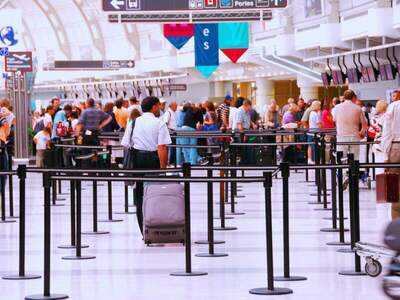
For decades, flying has been associated with speed, comfort and class while trains have been seen as the slower alternative. But do you know what modern transport psychology says? When it comes to the overall travel experience , it is so much more than reaching a destination quickly. Increasingly, researchers are finding that the way we travel has a significant impact on stress levels, mood, fatigue, and even how positively we remember a journey.
As India's railway network rapidly modernises with trains like Vande Bharat, travellers are beginning to reconsider an old question: Is the fastest mode of transport always the most relaxing?
The journey begins even before boarding
As per transport psychologists, travel stress doesn't start when a vehicle starts moving, it starts much before. Air travel often involves multiple "micro-stressors", reaching the airport hours early, security screening, baggage restrictions, boarding queues, immigration (for international travel), and uncertainty around delays or gate changes. Also reaching the airport two to four hours before, depending on the type of flight.
Rail travel, on the other hand, requires less preparation. Passengers can arrive closer to departure, and carry luggage without any restrictions. There is less hassle. Researchers note that reducing these pre-departure demands lowers the body's stress response before the journey even begins.
The UK's former Commission for Integrated Transport found that train passengers reported significantly lower stress levels than many air travellers.
Why it matters
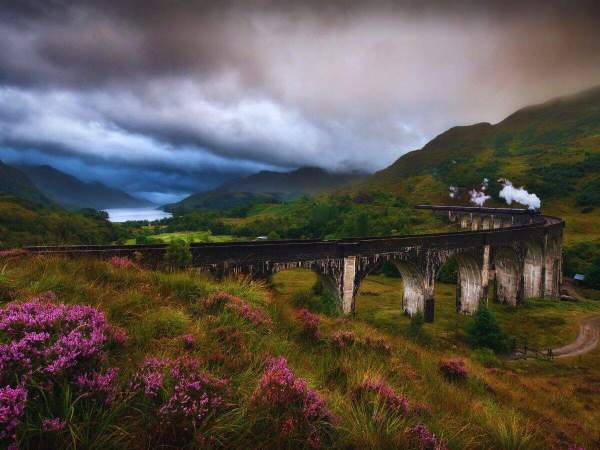
One of the biggest findings in transport psychology is the importance of perceived control.
Research published in transportation and environmental psychology shows that travellers experience less anxiety when they feel they have greater control over their surroundings. Therefore control matters.
Benefits of train travel:
Passengers can usually walk around freely
Change posture
The tickets are cheaper
Visit the pantry or café coach
Look outside continuously
Flights restrict movements. Turbulence or seatbelt signs significantly reduce passenger mobility. Even going to washrooms gets uneasy given the space constraint.
Nature reduces stress
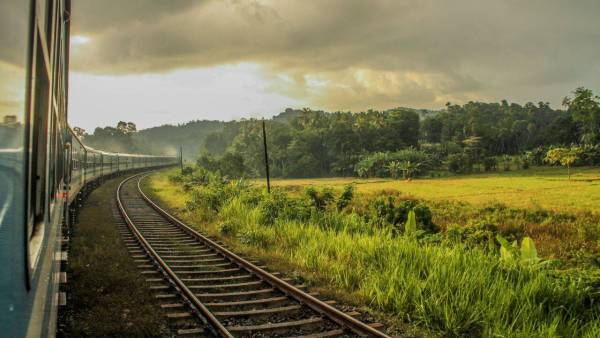
Another reason trains often feel more relaxing is something called attention restoration.
Environmental psychologists at the University of Michigan and other research institutions have found that looking at natural landscapes helps restore directed attention and reduce mental stress.
Train journeys offer uninterrupted views of forests, rivers, mountains, villages and countryside which people tend to enjoy and focus on. Unlike aircraft windows, where scenery is visible mainly during take-off and landing, train passengers remain visually connected to changing landscapes throughout the trip.
Anticipatory stress at airport
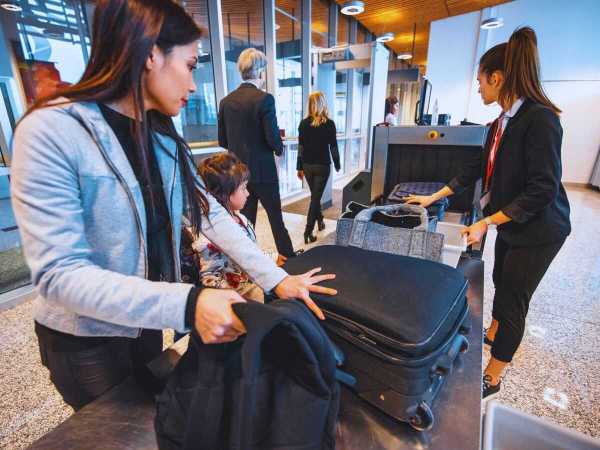
The International Air Transport Association (IATA) expects global passenger numbers to continue rising due to which many airports are operating under increasing pressure. Large crowds, long walking distances, security checks, and fear of missing flights can collectively create what psychologists call anticipatory stress.
Even frequent flyers report elevated anxiety.
Comfort is more than legroom
Transport psychology distinguishes between physical comfort and psychological comfort.
While airlines have introduced ergonomic seating and premium cabins, economy passengers still spend long periods in confined spaces.
Train travellers on the other hand enjoy more space, even in the Chair Cars.
Larger windows
Easier access to washrooms
Less cabin pressure discomfort
How Vande Bharat trains are changing the way of modern-day train travel
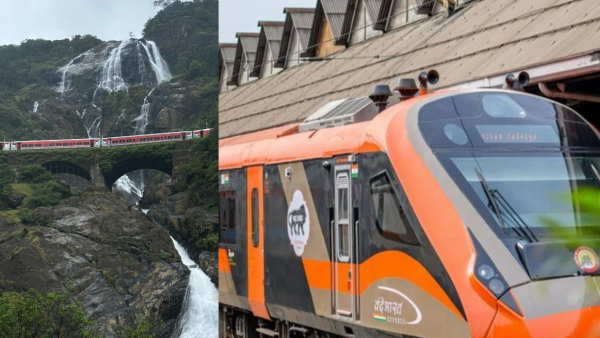
India's Vande Bharat Express shows a significant shift toward experience-oriented rail travel.
Features such as large panoramic windows, comfortable seating, onboard catering, GPS-based passenger information systems, among others align with many principles identified in transport psychology.
For travellers covering routes such as Delhi–Varanasi, Mumbai–Ahmedabad and Chennai–Mysuru, Vande Bharat offers an option where passengers can work, relax and enjoy the journey.
However, flying remains the perfect option for long-distance and overseas journeys as speed is essential. But when it comes to overall travel experience, transport psychology paints a more nuanced picture.
For modern-day travellers seeking a more mindful and perfect journey experience, the question is no longer simply, "Which is the faster mode?" Instead, it is, "Which journey leaves you feeling relaxed and happy when you arrive at your destination?"
Sources: International Air Transport Association (IATA); UK Commission for Integrated Transport; UK National Rail Passenger Survey (Transport Focus) and other related research available.
-
I made chicken traybakes from Rick Stein and Mary Berry – winner was far tastier

-
Horoscope for July 13, Taurus will get promotion in job, Cancer will have work pressure?

-
Why India vs England 5th T20I toss was delayed

-
Will Rahul Dravid become the coach of England’s Test team? Claim of name being shortlisted to replace McCullum

-
Jannik Sinner became rich after winning Wimbledon, what will be his net worth after prize money?