

Ever opened a trading account, stared at the sign-up form, and wondered why there are so many options? You’re not alone. Most people assume one account is basically the same as another, just with a different logo slapped on top. That assumption, honestly, causes more headaches than it should.
The truth is that account type sits at the center of almost every trading decision you’ll make later. Spread costs, margin requirements, withdrawal speed, even the quality of customer support you get when something goes wrong at 2 a.m. can all trace back to which account you picked on day one. When someone moves from paper trading into live CFD markets, this choice stops being theoretical. Real money is on the line, and the account structure behind a trading broker determines how much of that money stays in your pocket versus how much quietly disappears into fees.
Why Account Setup Matters More Than People Think
Here’s the thing: a lot of new traders focus entirely on strategy. Chart patterns, indicators, entry signals, that sort of thing. Fair enough, strategy matters. But strategy performs differently depending on the cost structure sitting underneath it. A scalper running dozens of trades a day will bleed out from wide spreads long before a bad signal ever hurts them. A swing trader holding positions for weeks cares less about the spread and more about overnight financing charges.
So the account isn’t just administrative paperwork. It’s the plumbing that everything else runs through. Get it wrong, and even a decent strategy struggles to break even.
Comparing the Practical Factors
When people evaluate a vantage trading broker setup, they’re usually weighing a handful of concrete details rather than marketing language. That’s the right instinct. Numbers don’t lie the way slogans sometimes do.
Here’s what typically ends up on the comparison list:
- Spreads – tighter spreads matter enormously for short-term traders, less so for long-term position holders.
- Commissions – some accounts charge a flat commission per lot instead of widening the spread; which is cheaper depends on your trading frequency.
- Minimum deposits – lower entry points open the door for beginners, though a small account also limits how much risk buffer you actually have.
- Platform access – whether you’re working with MetaTrader 4, MetaTrader 5, or a proprietary web platform changes your charting tools and automation options.
- Funding methods – bank transfer, card, e-wallets; withdrawal speed varies quite a bit between providers.
- Customer support – availability across time zones, live chat versus email-only, and how quickly issues get resolved.
- Available markets – forex majors are standard almost everywhere, but access to indices, commodities, and shares CFDs isn’t always equal.
None of these factors work in isolation. A trader chasing rock-bottom spreads might end up with a platform that’s clunky or support that’s slow to respond. It’s a trade-off exercise, not a single winner-takes-all metric.
Before committing real capital, it’s worth spending time reviewing the account structure directly on the provider’s site. For traders preparing to move from demo testing into live access, checking the vantage trading broker platform page gives a clearer picture of account tiers, spread ranges, and the specific tools available before funds ever get deposited.
A Quick Note on Account Tiers
Many brokers, including larger ones, structure accounts in tiers. A standard account might carry no commission but wider spreads. A raw or ECN-style account often flips that around, tighter spreads paired with a commission per trade. Neither is objectively better. It genuinely depends on trading style, position size, and how often trades get placed.
There’s also the question of leverage settings, which vary by account type and by region due to regulatory limits. Higher leverage can stretch a small deposit further, but it also stretches losses just as easily. That’s not a footnote, it’s central to understanding what any account actually offers.
Why Demo Testing Comes First
Now here’s where a lot of beginners skip a step, and honestly, it’s understandable. Waiting feels boring when live markets seem so close. But jumping straight into a funded account without demo practice is a bit like getting your driver’s license and then heading straight onto a highway during rush hour.
Demo accounts exist for a reason. They let you:
- Get comfortable with the platform’s interface before real money is involved.
- Test how spreads and execution speed behave during volatile news events.
- Practice risk management rules without the emotional weight of actual losses.
- Confirm the account type you’re considering actually fits your trading rhythm.
There’s a psychological piece here, too. Trading on a demo doesn’t carry the same emotional charge as trading live. That’s both a benefit and a limitation. It’s useful for building mechanical skill, but it won’t fully prepare you for the gut-punch feeling of watching a live position move against you. Product education, reading through platform guides, understanding order types, and knowing how margin calls work fill that gap somewhat. It won’t replace experience, but it reduces the number of expensive surprises waiting on the other side.
A reasonable approach looks something like this: spend real time on demo, read through the broker’s documentation on execution and order types, then start live trading small. Not because small trades are exciting, they’re not, but because they let mistakes be cheap while the learning curve is still steep.
Bringing It All Together
Account type isn’t a minor checkbox buried in a sign-up flow. It shapes cost, access, and how comfortably a strategy actually performs once money is on the line. Spreads, commissions, deposit minimums, platform choice, funding speed, and support quality all sit downstream of that first decision.
Before anything else, though, come the reminders that matter most. CFD trading carries real risk, and leverage can magnify both gains and losses in ways that catch people off guard. What suits an experienced trader with years of screen time won’t necessarily suit someone three weeks into learning candlestick patterns. Suitability isn’t a formality either; it’s worth an honest, personal assessment before committing capital.
Take the time. Test on demo. Read the documentation. Then, when live trading starts, start small and let the account structure work for you rather than against you.
-
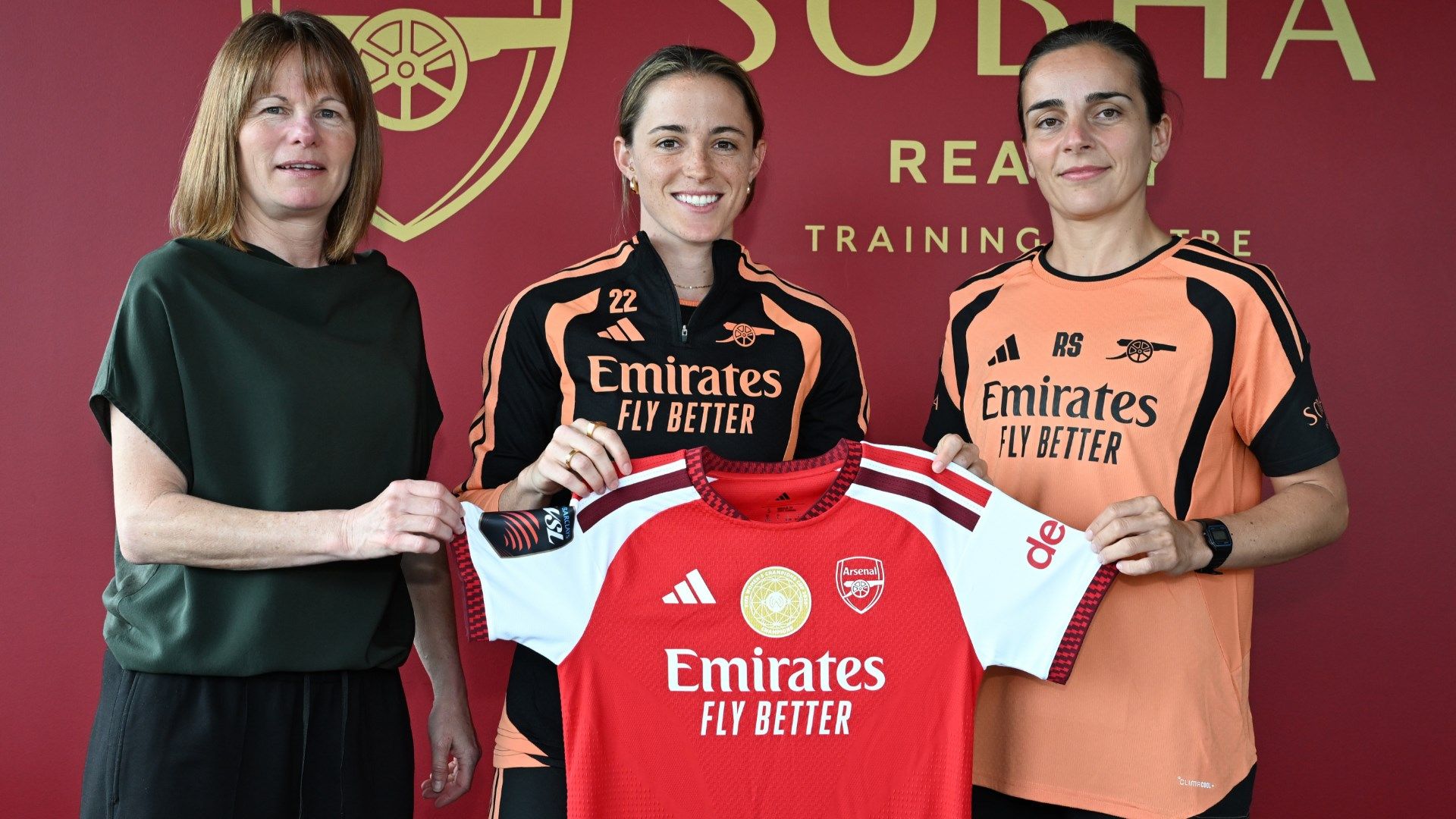
Arsenal secure Barcelona star Ona Batlle as fourth signing in eight days, marking a dynamic summer transfer spree
-
Referee Appointed for Spain vs Belgium Quarter-final Clash

-
Horoscope for July 11: Who will get a new flight and success in their career today?

-
Assam Chief Minister Praises Karbi Anglongs Giant Queen Pineapple, Calls It To Die For

-
Bluetooth LE Audio Explained: Next-Gen Wireless Sound Standard