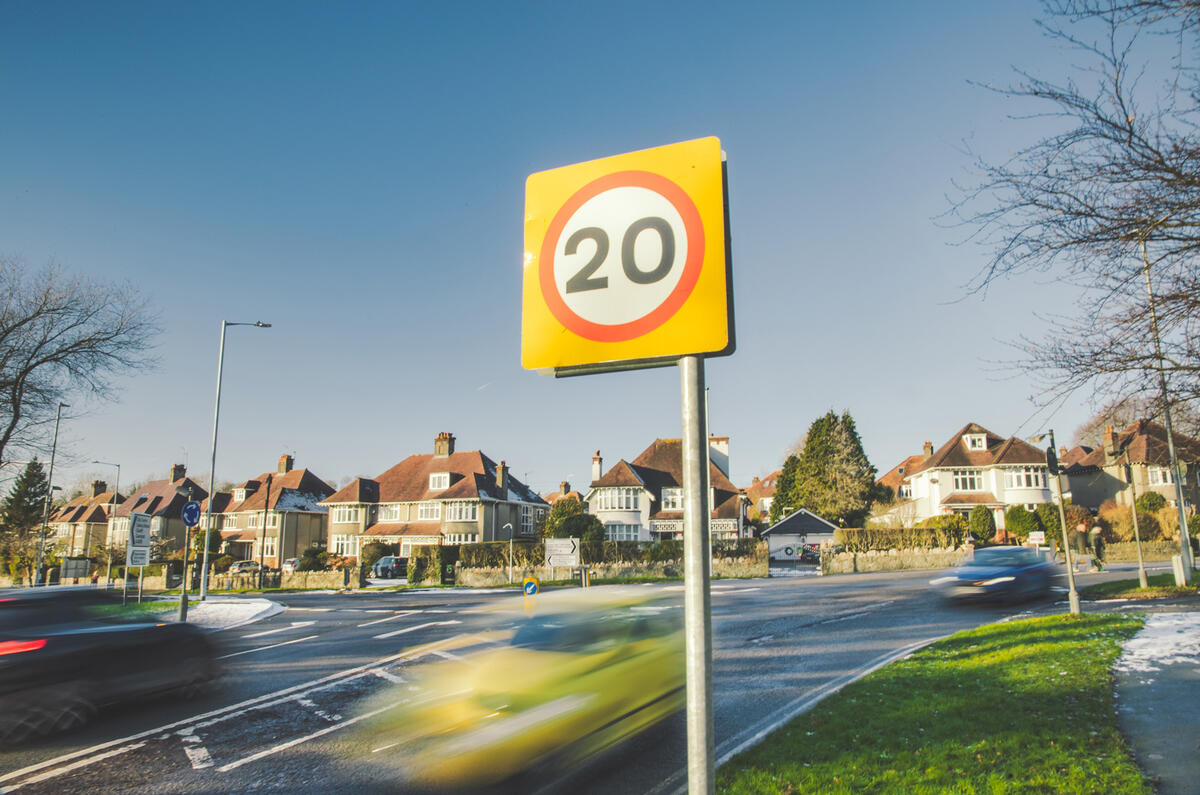
Members of Parliament are deliberating on a proposal to reduce the default speed limit in England to 20mph, aiming to cut down on road accidents and fatalities.
The Transport Committee is convening to explore whether implementing lower speed limits could form part of the government’s broader road safety plan, and to consider if England should follow Wales in adopting a nationwide 20mph default limit.
During the upcoming session next Wednesday, MPs will question a panel of experts, including Transport for London’s Chief Safety, Health and Environment Officer, as well as the former chair of the Welsh government’s 20mph task force.
In 2023, Wales lowered its default speed limit on restricted roads—which account for around 35% of its total road network—from 30mph to 20mph.
Although earlier consultations indicated that nearly half of drivers were in favour of a reduced urban speed limit, and government-backed studies predicted that the measure could save 100 lives and prevent 14,000 casualties over ten years, the change sparked widespread opposition.
Following the rollout, anti-20mph campaigners organised the largest petition in the history of the Welsh parliament, gathering close to half a million signatures.
The Welsh Conservative Party has been a strong critic of the Labour-led policy, which reportedly cost £32 million to implement and, according to their estimates, caused up to £9 billion in economic losses for Wales.
The Conservative Party had earlier pledged to abolish the 20mph limit if it had secured a victory in the 2024 general election.
However, recent data indicates that the policy may now be delivering positive outcomes in Wales: serious or fatal crashes dropped by 19% in 2024, and casualties on 30mph and 20mph roads fell by more than 25%.
A separate study also found that reducing the speed limit by 10mph only added about two minutes to the average journey time across Wales.
Government ministers will review these findings as they work towards achieving a targeted 65% reduction in the number of people killed or seriously injured on UK roads by the year 2035.
The upcoming committee session will involve discussions on whether the current speed-related commitments under the national road safety strategy are sufficient to meet these casualty reduction objectives.
According to the Transport Select Committee, witnesses may also be asked whether England should follow Wales in adopting 20mph as the default national speed limit on most roads.
Across England, 20mph zones are already common in many urban areas, especially in London, where more than half of all roads already operate under the reduced speed limit.
Data from the European Transport Safety Council shows that between 1989 and 2013, the expansion of 20mph zones across London led to a significant drop in road casualties. Total collisions decreased by 35%, injuries fell by 36%, and fatalities among children were reduced by an impressive 75%.
-
Trump says missiles aimed at Iran if Tehran targets him

-
Weather Update: Mild Temperature Rise and Rain Forecast in Delhi

-
If you wish to purchase land for a shop or house in the NCR, you can apply until July 13..

-
Rajnath Singh commissions INS Mahendragiri in Vizag

-
AAPSU Opposes Scheduled Tribe Inclusion for Kachari Community in Arunachal Pradesh