Common Personal Finance Mistakes to Avoid: Managing money correctly is far more important than simply earning it. People often work hard to earn money but inadvertently make financial mistakes that wipe out their savings and leave major future goals unfulfilled.
With the month of July underway, it is the perfect time to assess your spending and investment strategies for the remainder of the year. Let’s look at six major personal finance mistakes that you should avoid at all costs.
1. Not creating a monthly budget
People often start spending as soon as they receive their salary, without any planning. Without a budget, it becomes impossible to track where your money is going, and you may not even realize when you have overspent on unnecessary things. The simple solution is to create a budget at the beginning of each month, allocating specific amounts for fixed needs, investments, and personal expenses right from the start.
2. Postponing investments
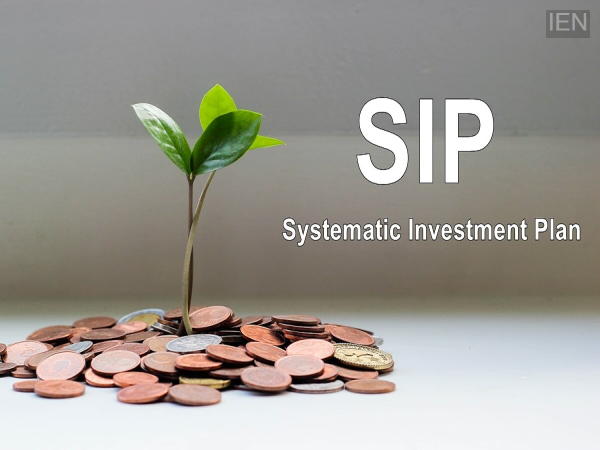
Many people think, "I will start investing when my salary increases or when I have a lot of money." This is a major mistake. Delaying investment means missing out on the magical power of compounding. Regardless of the amount—even a small SIP of ₹500 or ₹1,000—you should start investing as early as possible.
3. Keeping all your money in a savings account
It is not wise to leave all your funds or surplus cash sitting in a bank savings account. The interest earned on savings accounts is very low and fails to keep pace with rising inflation; consequently, the real value of your money erodes over time. Apart from maintaining an emergency fund, invest your remaining money in suitable mutual funds, fixed deposits (FDs), or government schemes that offer returns higher than the inflation rate.
4. Indiscriminate use of credit cards and loans
Nowadays, options like credit cards and 'Buy Now, Pay Later' services encourage people to spend beyond their means. Debt incurred without proper planning can trap you in a cycle of high-interest payments. Failure to make timely repayments damages your CIBIL score, making it difficult to secure loans in the future. Use credit cards solely for rewards or convenience, and avoid taking out loans to fund lifestyle desires.
5. Not building an emergency fund
Life-altering events—such as illness, job loss, or other major crises—often strike unexpectedly. Many people fail to maintain a separate backup fund for such situations. When an urgent need arises, they are forced to dip into long-term savings (like funds meant for children's education or retirement) or take out high-interest personal loans. You should always keep an amount equivalent to at least six months' worth of expenses secured in an 'emergency fund.'
6. Not reviewing financial goals
Over time, your job changes, your salary rises, and your responsibilities grow. Yet, many people continue with investments—such as a ₹2,000 monthly contribution—started years ago without adjusting them. By failing to increase your investments in line with your rising income, you may miss achieving your long-term goals on schedule. Make it a point to review your portfolio and financial goals at least once or twice a year, and increase your investment amount as your income grows.
Ultimately, you do not need a complex formula to build wealth or manage your money effectively. Simple, positive habits—such as creating a budget, curbing wasteful spending, and investing regularly—can significantly strengthen your financial health.
Disclaimer: This content has been sourced and edited from Money Control. While we have made modifications for clarity and presentation, the original content belongs to its respective authors and website. We do not claim ownership of the content.
-
TRAI's new directive on spam calls: '1600' series numbers will not be blocked; rules changed for '140' series calls as well..
-
Security of millions of Chrome users at risk: CERT-In issues alert, advises immediate action to prevent hacking..

-
AI won't be able to steal your face anymore: Cate Blanchett launches a safety tool—find out why it is essential in the age of deepfakes..

-
Spam Calls: Will Truecaller face stricter regulations now? Find out why TRAI has sought new powers from MeitY..

-
Mutual Fund SIP: Returns of up to 83% in a year! Massive gains in foreign markets; Indian investors strike gold in these countries.