
Understand how humidity impacts different scalp types and adapt routines for healthier, balanced overall hair
The monsoon changes the way India’s scalp behaves. The season brings relief from harsh summer heat, but it also introduces humidity, sweat, rainwater, pollution, and product build-up. Research examining climate and seborrhoeic dermatitis has identified high humidity as an environmental factor associated with an increased likelihood of the condition. As Swagatika Das, CEO & Co-founder, Nat Habit, points out, this shift often leads to noticeable changes in hair texture and manageability.
For many people, this is when the hair starts feeling heavier at the roots, frizzier through the lengths, and more unpredictable overall. What often gets missed is that monsoon hair care is not just about managing hair fall or dandruff. It begins with understanding the scalp type.
No one solution
For years, scalp care has been treated as a one-solution category. If there is flaking, one reaches for an anti-dandruff shampoo. If there is greasiness, one washes more often. If the hair feels rough, one adds a conditioner. However, dandruff alone is estimated to affect approximately 50% of the global adult population, highlighting how widespread and varied scalp concerns can be. The scalp is a living ecosystem that responds to climate, oil production, microbial activity, stress, water quality, and the products layered on it. During the monsoon, these factors become more active, which is why dry, oily, and combination scalps need different routines.
-
Fabrizio Romano Shares Key Update on Youri Tielemans’ Transfer to Manchester United

-
Manchester City intensify pursuit of £86m-rated Ayyoub Bouaddi

-
UPTET 2026: Today is the last chance to raise objections against the UPTET answer key; result expected by this date..

-
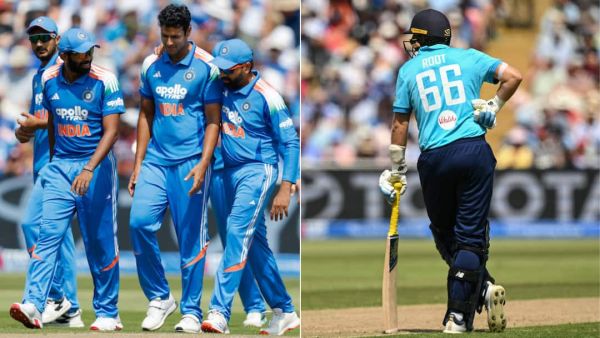
Joe Root, Liam Dawson Rescue England After Indian Pacers Rip Through Top Order
-
Netanyahu Warns Iran Of Future Attacks, Says They 'Will Be Far More Powerful'