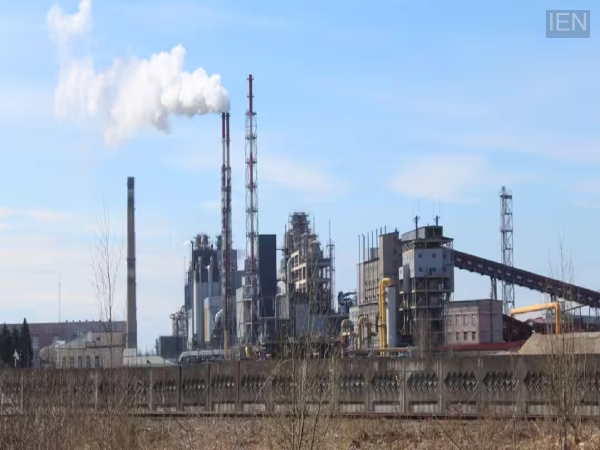
A carbon credit is a type of certificate. One carbon credit signifies the reduction of one tonne of carbon dioxide emissions or an equivalent amount of another greenhouse gas.
Carbon Credit: Concerns regarding climate change and rising pollution are growing globally. Consequently, many countries have adopted systems like carbon credits to reduce carbon emissions. Today, this has evolved beyond a mere tool for environmental conservation into a multi-billion-dollar global business. A large number of companies are purchasing carbon credits to offset their own carbon emissions. Meanwhile, for countries, organizations, and farmers that reduce pollution, this is becoming a source of additional income. India, too, is moving rapidly towards developing its own carbon market. Let us now explain what a carbon credit is and how countries are earning billions by selling 'air'.
What is a carbon credit?
A carbon credit is a type of certificate. One carbon credit signifies the reduction of one tonne of carbon dioxide emissions or an equivalent amount of another greenhouse gas. If an individual, organization, or company undertakes activities that reduce pollution, they can earn carbon credits. Conversely, companies that emit carbon beyond a set limit purchase these credits to offset their excess emissions.
How did carbon credits originate?
The concept of carbon credits emerged following the 1997 Kyoto Protocol. Under this agreement, targets were set to limit greenhouse gas emissions. Later, in the 2015 Paris Agreement, nations committed to reducing emissions to combat climate change. This system establishes a limit on carbon emissions for countries and industries. If an entity exceeds this limit, it must purchase additional carbon credits.
How does carbon credit trading work?
Carbon credits can be bought and sold; this process is known as carbon trading. Suppose a company is generating pollution from its factory that exceeds the prescribed limit. In such a scenario, there are two options available: first, to adopt new technologies to reduce one's own carbon emissions; and second, to invest in projects that lower carbon emissions—such as large-scale afforestation, solar or wind energy, biomethane initiatives, or energy technologies. Carbon credits are awarded based on the amount of carbon emissions reduced through such projects. These credits can subsequently be sold to companies that require them.
How the Carbon Market is Taking Shape in India
Following amendments to the Energy Conservation Act of 2001, India has taken steps toward developing a domestic carbon market. The government aims to establish a marketplace where carbon credits can be traded, ensuring benefits for both industries and farmers. Experts suggest that, in the future, both offset markets and emissions trading schemes could operate concurrently in India.
-
SIP Investment: Can a corpus of crores be built in 5 to 10 years? Find out the monthly SIP amount required..
-
Samsung Galaxy Z Fold 8 Ultra, Z Flip 8, Watch Ultra 2 Leaked In Full Glory Ahead Of July 22 Launch

-
Want To Work In IPL Without Playing Cricket? Here's How A Sports Management Course Can Get You There

-
Students Refuse To Attend School In MP, Demand Transferred Teacher's Return

-
Iranian Newspaper Releases List Of 13 World Leaders 'Wanted' For Khamenei's Assassination