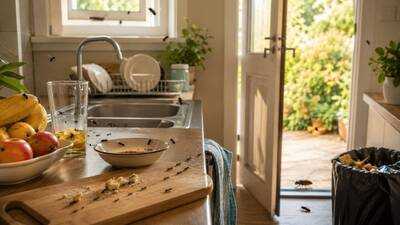
As the weather turns warmer, most people spend more time opening windows, tidying gardens and making use of outdoor spaces. Yet many of the small routines that feel perfectly normal during summer can quietly make a house more attractive to insects and other unwanted visitors. Bugs are often less interested in people than in the conditions surrounding them. A little moisture, a sheltered hiding place or an easy route indoors is usually enough.
The challenge is that these conditions often develop through everyday habits rather than obvious neglect. A bird bath left unchanged for a week, a stack of boxes forgotten in the garage or shrubs growing a little too close to the wall can all contribute. By recognising a few common patterns, it becomes much easier to reduce the chances of pests settling in for the season.
6 simple summer habits that can lead to pest problems
1. Leaving standing water around the garden
Summer brings more watering, more outdoor activities and often more containers sitting outside. Buckets, plant trays, bird baths and children's toys can all collect water after rain or regular use.
While these may seem insignificant, small pools of water can quickly become attractive to insects, particularly mosquitoes. It does not take a large amount. Water that remains undisturbed for several days can create favourable conditions for breeding.
Regularly emptying containers, refreshing water features and checking hidden corners of the garden can remove many of these opportunities before they become a problem.
2. Letting plants grow against the house
Gardens naturally become fuller during summer. Branches extend, shrubs spread and climbing plants can quickly reach walls, windows and roofs.
The trouble is that dense vegetation often acts as a convenient pathway. Insects and spiders use leaves, branches and stems as sheltered routes while moving around a property. When plants touch exterior walls, they effectively shorten the distance between outdoor habitats and indoor spaces.
Keeping bushes trimmed back and ensuring tree limbs do not hang directly against the house creates a gap that makes movement more difficult for many pests.
3. Ignoring small gaps and cracks
Tiny openings around a property rarely attract much attention. A slight gap beneath a door or a narrow crack near a utility pipe may seem harmless.
For insects, however, these spaces can function as entrances. Warm weather increases activity levels, and many pests spend summer searching for food, water or cooler indoor conditions. Even surprisingly small openings can provide access.
Checking door frames, window edges, vents and areas where cables or pipes enter the building can often reveal spots that have gradually developed over time, particularly after colder months.
4. Creating damp areas indoors
Humidity tends to rise during summer, especially in bathrooms, laundry rooms, basements and crawl spaces. Minor plumbing leaks that go unnoticed through winter may become more inviting as temperatures increase.
Many insects seek out moisture rather than food first. Damp wood, condensation and consistently humid areas can attract species that prefer wet environments. Some ants, termites and centipedes are particularly associated with moisture-rich conditions.
Fixing leaks promptly, improving ventilation and reducing excess humidity can make these areas far less appealing.
5. Keeping bright outdoor lights on all evening
Outdoor lighting is often used more frequently during summer, whether for entertaining, security or simply spending time outside after sunset.
Many flying insects are attracted to light sources. Once they gather around patios, porches and entrances, they can draw predators such as spiders looking for an easy food supply. The issue is not always the light itself but the concentration of insects it creates nearby.
Warmer-coloured bulbs, often marketed as bug lights, tend to attract fewer insects than standard bright white lighting. Positioning lights away from entry points can also help reduce activity near doors and windows.
6. Storing clutter in forgotten corners
Garages, lofts and basements often become storage areas for items that are rarely touched. During summer, these quiet spaces can offer shelter from outdoor conditions.
Cardboard boxes are particularly attractive because they provide darkness, protection and, in some cases, retain small amounts of moisture. Pests looking for a place to hide may settle behind stacked storage, unused furniture or piles of household items.
Occasional cleaning and organising can make a noticeable difference. Plastic storage containers with secure lids generally offer fewer opportunities for nesting than ageing cardboard boxes tucked away in corners.
-
Cancer Tarot Horoscope Today, July 18, 2026: Stay calm and trust your instincts for success

-
Love Horoscope for Saturday, July 18, 2026: Pisces Relationships Strengthen, Insights for All Zodiac Signs

-
Financial Horoscope Today, July 18, 2026: Sagittarius Encouraged to Take Bold Financial Steps, See What’s in Store for Other Signs

-
7.3 Earthquake strikes Mexico-Guatemala border; no damage yet

-
US hits Iran for seventh straight night,bridges targeted