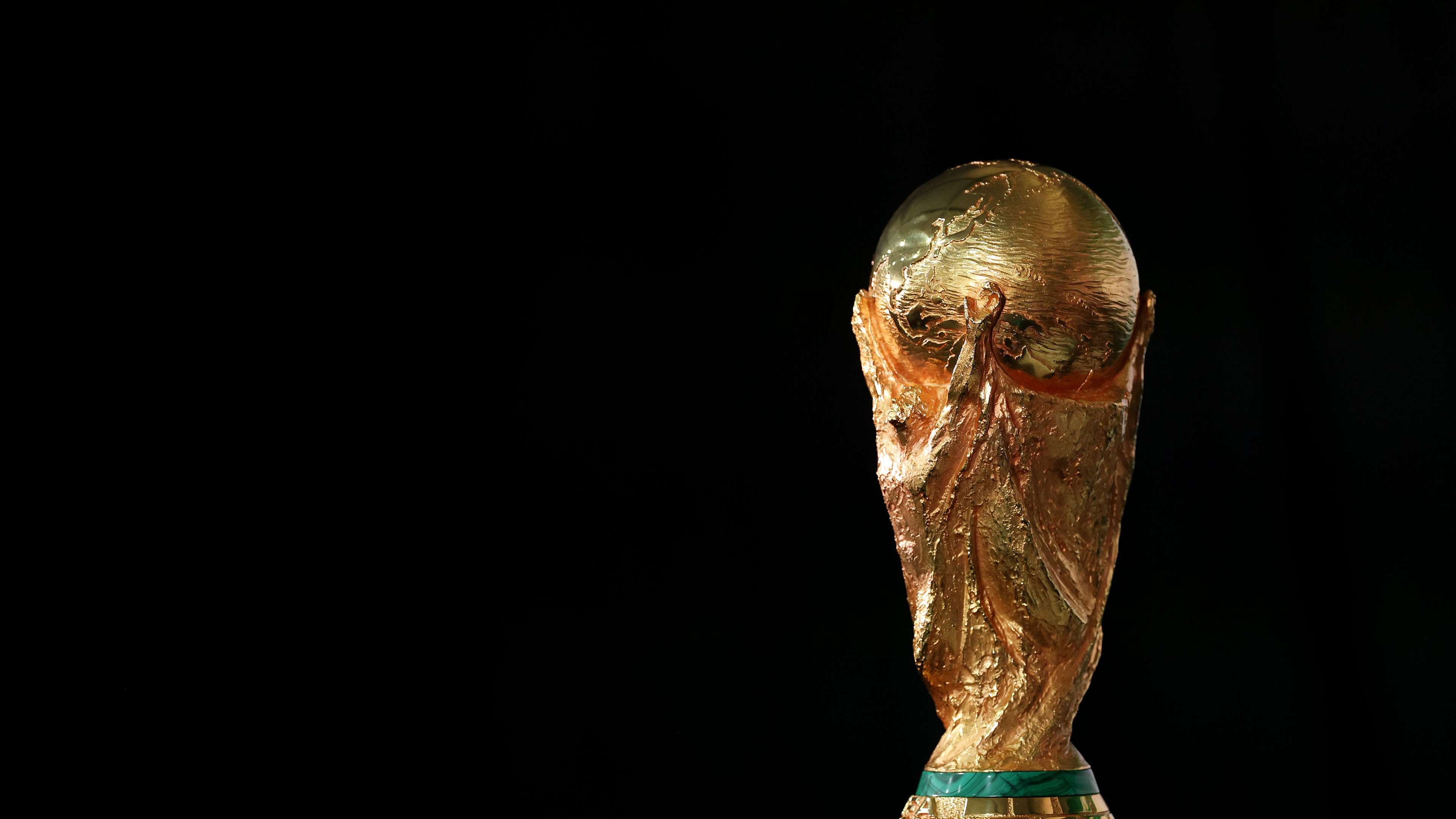
The 2026 FIFA World Cup has thrilled football followers across the globe, and anticipation for the next edition is already building. With four years separating each tournament, the World Cup retains its unique allure, reminding fans why it remains football’s most prestigious event.
After Qatar successfully hosted the 2022 World Cup in November and December, the 2026 competition was jointly organised by three North American nations — the United States, Canada, and Mexico. The big question now is: where will the 2030 FIFA World Cup be held?
FIFA has confirmed that the 2030 World Cup will be an unprecedented event spread across six countries. From 8 June to 21 July, matches will be staged in Argentina, Uruguay and Paraguay, followed by fixtures in Spain, Portugal and Morocco.
Interestingly, only the first three matches will take place in South America on 8 and 9 June. Following a short interval, the main phase of the tournament will commence in Europe and North Africa from 13 June onwards, with those regions serving as the primary hosts.
The opening games in Argentina, Uruguay and Paraguay will commemorate the centenary of the World Cup, as the inaugural edition was held in 1930. The official 100th-anniversary match will be played in Uruguay, honouring the birthplace of the tournament.
Spain will play the leading role as host nation for most of the fixtures. At present, 48 teams are expected to compete, though FIFA is exploring the possibility of expanding the competition to 64 teams. The organisation had previously increased the number of participants from 32 to 48 for the 2026 edition, resulting in a total of 104 matches.
The group stage will feature Groups A through L, with the top two teams from each group and the eight best third-placed sides progressing to the round of 32.
The host countries have already submitted their proposed stadiums to FIFA for consideration, although the final list of venues has yet to be officially confirmed and may still be adjusted.
The location of the final match is still undecided. However, Madrid is currently the favourite, with Real Madrid’s recently renovated Estadio Santiago Bernabéu standing out as a prime candidate. Spain is also expected to host the majority of the tournament’s fixtures.
Other strong contenders for key matches include Barcelona’s Camp Nou, which will accommodate around 105,000 spectators after its renovation, and Morocco’s Stade Hassan II in Marrakesh, which will also have a capacity of about 105,000 once construction is complete.
Potential host stadiums under consideration include venues in Spain, Portugal, Morocco, Argentina, Uruguay and Paraguay, though the official venue allocation will be finalised closer to the tournament.
The 2030 FIFA World Cup promises to be a historic milestone, celebrating a century of football excellence across continents and uniting fans from every corner of the world.
-
Former Arsenal striker Pierre-Emerick Aubameyang set for surprising move to Spain
-
England player ratings against Argentina: Another heartbreak as Tuchel’s cautious approach costs the Three Lions dearly in World Cup exit

-
England 1-2 Argentina: Late Martinez header ends Three Lions’ World Cup dream after 60 years

-
Cristian Orozco Discusses His Strengths and the Challenge Ahead at United
-
Joe Hart defends Jude Bellingham after ITV interview controversy following England’s World Cup win over Norway