War teaches a country how to survive. This is exactly how Iran has gained experience during years of conflict. According to a report by The New York Times, Iran allegedly exploited weaknesses in a decades-old global telecom signaling and telecommunications system to track and identify US military personnel stationed in the Middle East. These latest revelations come as the US and Iran intensify military operations against each other by attacking strategic military sites.
According to reports, these techniques uncovered by a mobile surveillance research initiative might be used to geolocate phones belonging to US service members and contractors stationed in the region. Experts believe that the capabilities demonstrated by the Iranian army through its cyberwarfare units have significantly increased during recent conflicts.
Easy Access to Aging Telecom Systems
Experts stated that there has been a recent surge in signaling requests passing through Signaling System No. 7 (SS7). Designed and introduced in the 1970s, SS7 allows telecom operators worldwide to easily exchange information for roaming and call routing. However, in these recent attacks, researchers observed signaling requests specifically seeking location information for phones connected to local mobile networks across the Middle East. According to Gary Miller, the founder of the nonprofit behind the mobile surveillance monitoring initiative, the data points to a highly coordinated attack campaign. The signaling requests sought the locations of phones connected to local networks across the Middle East, including Bahrain and Kuwait, where thousands of US personnel are stationed.
Experts noted that troops using local SIM cards instead of secure military communications easily create tracking opportunities for opposing armies during conflicts. In recent years, Iran has become incredibly creative with its warfare techniques and cyber capabilities to target its adversaries.
How Mobile Phone Signals Exposed US Troops in Bahrain and Kuwait
As recent clashes between Iran and the US intensified, researchers noted that Iranian-linked forces allegedly attempted to locate US personnel stationed at military sites in Bahrain and Kuwait. They did this by combining SS7 queries with commercially available mobile location data. Officials warned that personal smartphones and local mobile SIM cards carried by troops at these sites could expose critical movement patterns if location services remain active. Researchers believe that the tracking of mobile devices in Bahrain and Kuwait heavily contributed to intelligence collection. Furthermore, while Iranian cyber forces have traditionally been viewed as less sophisticated than those linked to Russia and China, cyberwarfare has now become an increasingly critical factor globally particularly in the ongoing conflict between Iran and the US.
The post Iran’s Cyber Warfare Tactics: How Mobile Phone Signals Exposed US Troops During War With Tehran appeared first on NewsX.
-
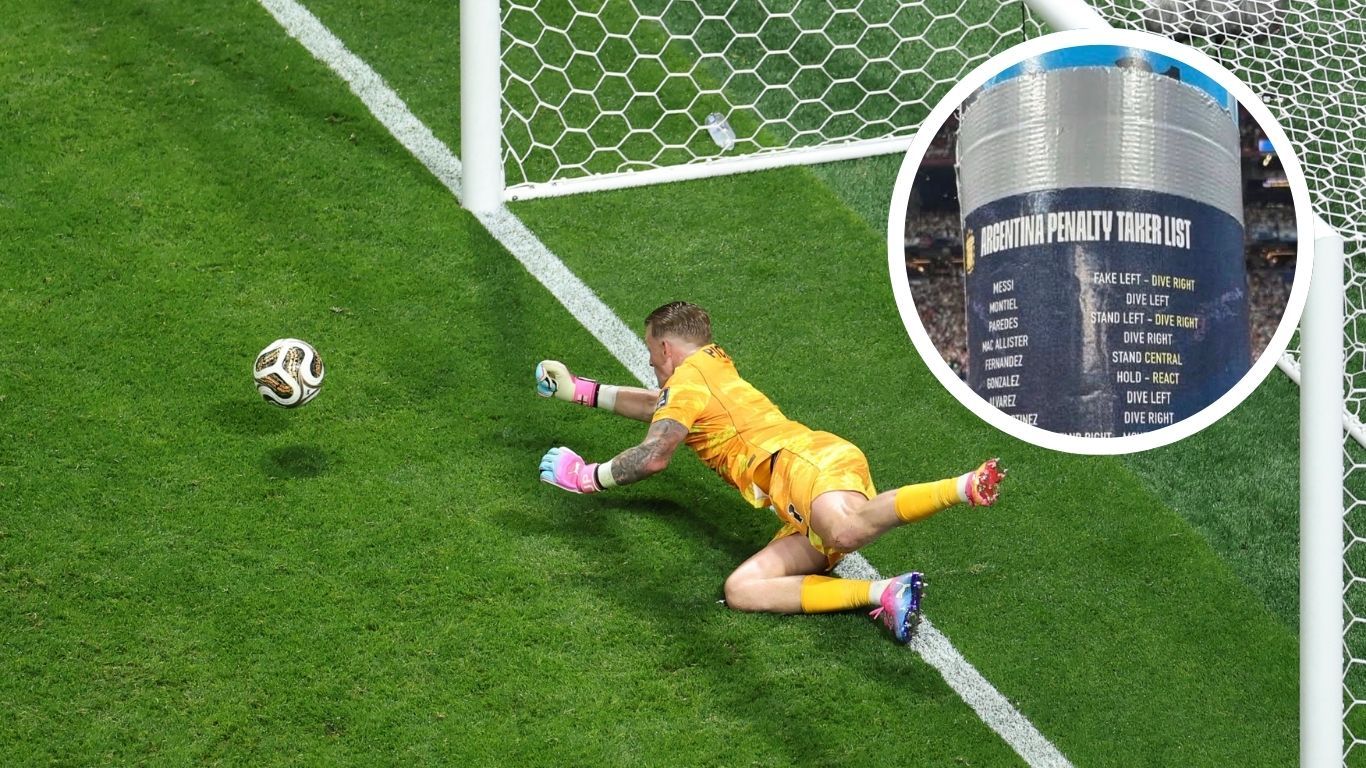
‘Lionel Messi, fake LEFT, dive RIGHT’: How Jordan Pickford Planned His Moves if England Faced Argentina in a Penalty Shootout
-
Thomas Tuchel Vindicated: Former England Star Andros Townsend Defends Coach After Argentina Defeat, Calls Tactical Substitutions 'Smart' Despite World Cup Exit

-
Why Does the World Cup Have a Third-Place Match? England to Face France in the 'Bronze Final'

-
US introduces fixed-term for student, exchange visas

-
UP: APTC commandant's follower dies by suicide, family claims torture; 3 cops booked