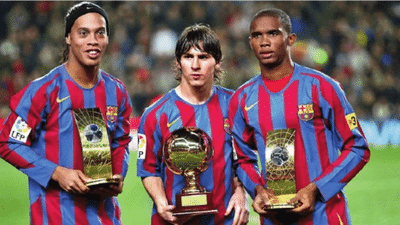
The story of Lionel Messi is as well known, as well documented, as elevated to a mythical realm as Che Guevara’s.
Though weirdly incompatible, those in South Asia are mostly accustomed to hearing only three Argentine names. One of them is a political icon and the other two — Diego Maradona and Lionel Messi — raised visions on a football pitch. The strange adulation and obsessive admiration is often difficult to explain but perhaps it indulges the parasocial aspirations of the football world’s forgotten underbelly.
Messi, though well-travelled as his job demanded, rarely speaks about issues that plague the world outside football. However, when the Catalan language issue hung heavy on the Spanish political climate, Messi added his voice for Catalonia. By then, in 2012, the Rosarioborn had completed 10 years in the Catalan capital, Barcelona. His son was born there. “I learnt Catalan and it was not a problem. I believe in adding, not subtracting,” was his succinct reply, trying to address the language conflict.
That once-frail, hormone-deficient 12-year old’s journey to his second successive World Cup final with Spain as the opposition, is a script pregnant with unavoidable symbolism. Likely in his last and final hoorah, Messi confronts a conundrum whose layered complexity is difficult to fathom — almost similar to the question one epic hero faces when he sees his family and friends at the other end of the battlefield.
The Spain squad at this World Cup is packed with eight FC Barcelona players. Much of Luis de la Fuente’s philosophy borrowed from Barcelona, and was fundamental in plotting France’s decimation in the semifinal. Joining La Masia — the Barcelona academy — at 13, Messi spent the next 21 years in the Spanish city, learning the language and the unique football cuisine that was imported from the Netherlands but was nourished on the Mediterranean coast.
Messi is greatest exponent of the art, preparing to exploit the knowledge that has essentially made him what he is today.
He arrived as an instinctive dribbler blessed with supernatural balance. He left, in 2021, as football’s most complete attacking mind.
His education was shaped by some of the finest football thinkers of the modern era. Frank Rijkaard trusted the teenager. Pep Guardiola unlocked a phenomenon. Alongside Xavi Hernandez, Andres Iniesta and Sergio Busquets, Messi became the beating heart of arguably the greatest club side football has ever seen.
The statistics remain almost unbelievable.
Seventeen seasons. Ten La Liga titles. Four Champions League crowns. Seven Copa del Rey triumphs. A record 672 goals for Barcelona. Countless assists. Countless masterpieces.
Messi never wore Spain’s colours, but he understands their football better than almost anyone alive.
“The Spanish national team approached me,” he had once said, “They tried to convince me. I am Argentine, but I arrived in Barcelona when I was very young. There was a possibility that I could play for Spain, but my desire was always to play for Argentina.”
Now, fate has brought the two together on the biggest stage. For Argentina, Sunday is about defending the World Cup crown and perhaps giving Messi the perfect sendoff. For Spain, it is about crowning a new generation led by Lamine Yamal, whose rise has invited inevitable comparisons with the man he grew up idolising. One represents the game’s glorious past. The other may represent its future.
The contrast extends beyond generations. Lionel Scaloni’s Argentina remain emotionally fuelled by Messi’s brilliance, his composure and his unmatched ability to decide matches with one touch. Two, in case of dismantling England. Two assists resulting in two goals.
Spain, as the tournament’s most cohesive, fluid yet fearless collective, echoes the footballing ideals that once helped shape Messi himself. The apprentice has become the master. Now he must outwit the school that educated him.
Once Messi’s coach and forever his mentor, Maradona too must have felt similar pangs in 1990 when Napoli’s foster son led Argentina against Italy in Naples.
But Messi has always belonged to more than one footballing world. Rosario gave him imagination. Barcelona gave him structure. Argentina gave him identity. Spain gave him perfection and a second passport. But the football that changed the world was unmistakably made in Spain, or Barcelona if one wants to be precise.
On Sunday, those worlds collide.
-
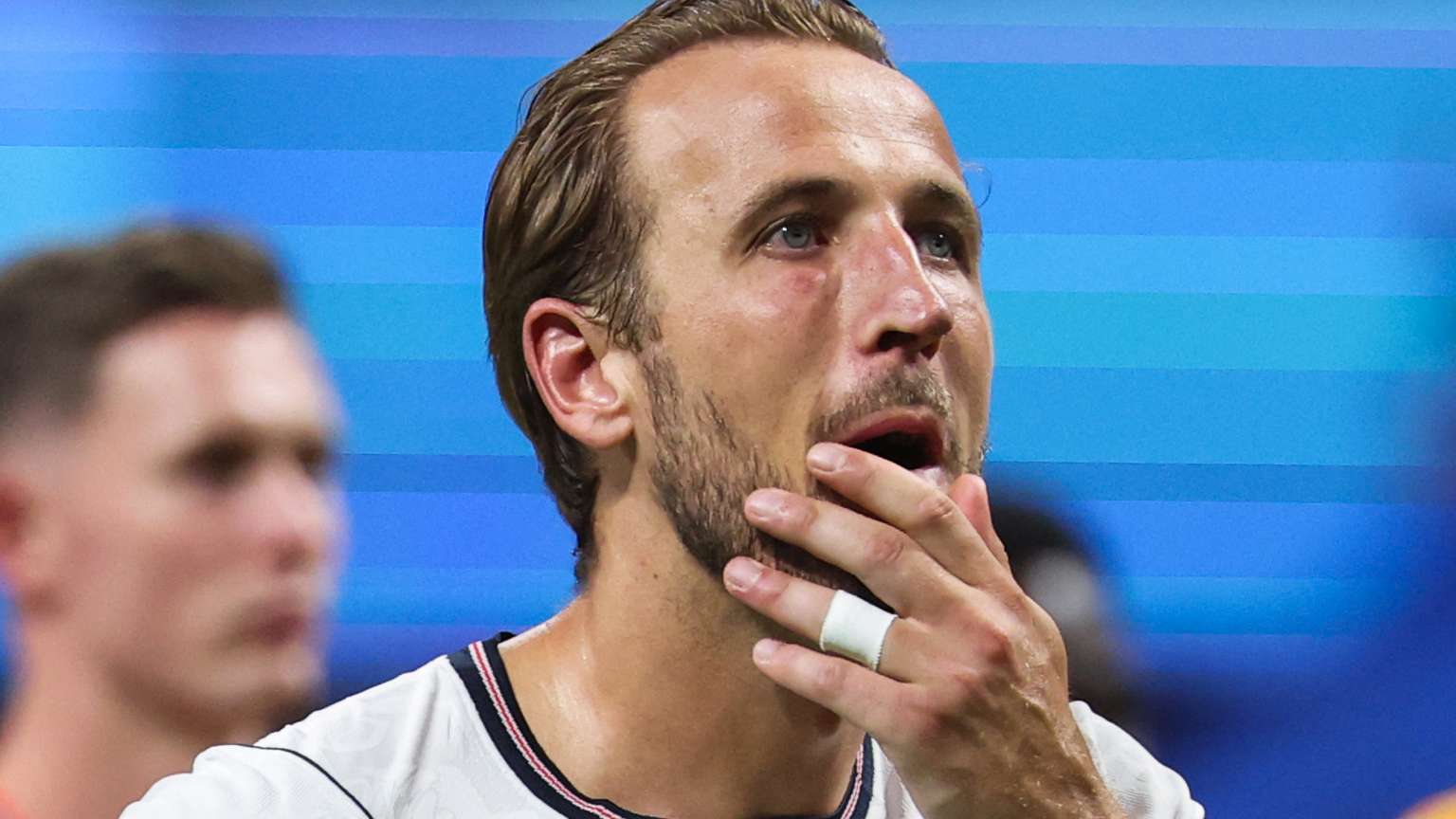
‘Missing the final piece again’ – Harry Kane speaks of ‘empty feeling’ after England’s World Cup semi-final heartbreak against Argentina
-
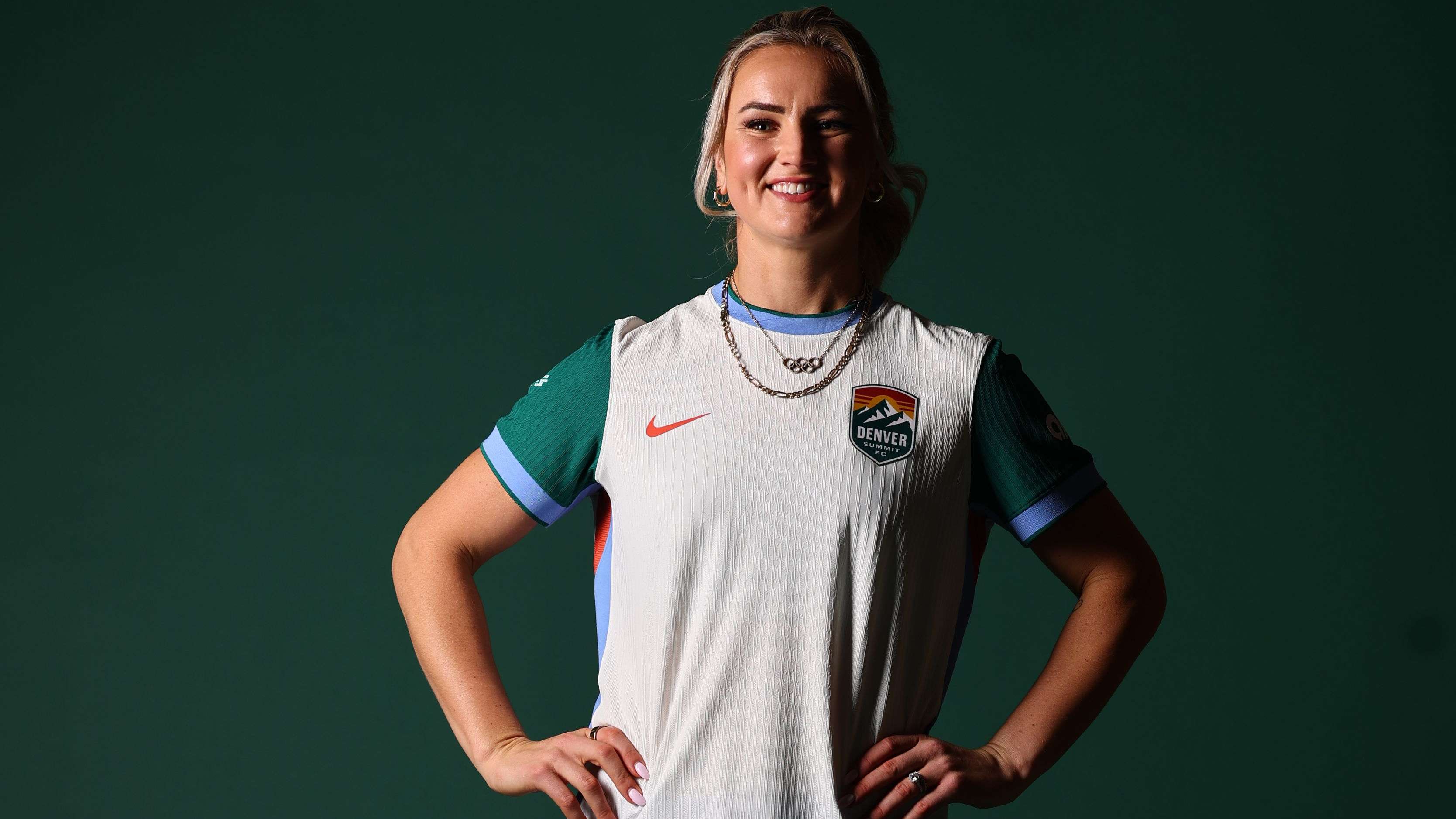
'World-class ability and leadership' - USWNT skipper Lindsey Heaps cleared for much-awaited Denver Summit debut in NWSL clash with Portland Thorns on Saturday
-
Luis Suarez Praises Ronaldo as the Greatest Striker of All Time
-
Trump tightens US visa rules for students, journalists, exchange visitors
-
Rohit Sharma's Form Under Scrutiny as India Faces England in ODI Series