Real zari explained: Why these metallic threads make sarees so valuable
ETimes | July 20, 2026 2:40 PM CST
"If silk is the soul of a heritage weave, zari is its undeniable sparkle." But in the world of Indian textiles, that sparkle is far more than a fleeting fashion statement. While the internet obsesses over the westernized "quiet luxury" aesthetic, true generational wealth in India has always been draped across the shoulder. Real zari isn't just an embellishment. It’s a liquid asset.
The Anatomy of Wearable Wealth
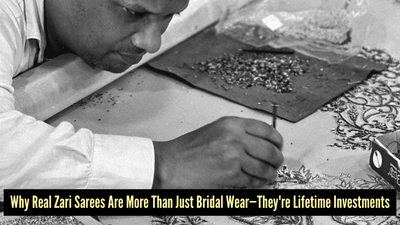
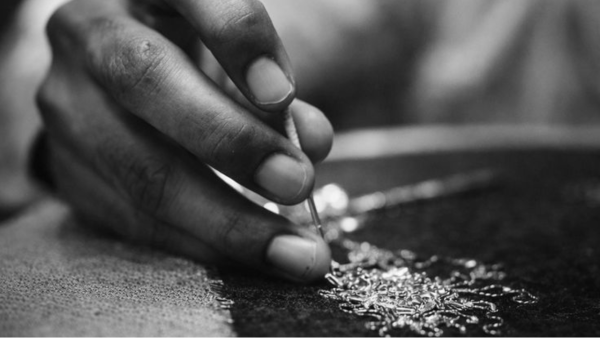
So, what exactly makes a thread worth its weight in gold? The traditional craft of real zari, or kalabattu, is a painstaking marvel. It doesn't start with metal, but with a core of high-twist mulberry silk or cotton. Artisans then take 99.9% pure silver wire and draw it out until it’s as thin as a human hair—a technique known as taarkashi. This silver is flattened, wrapped tightly around the silk core, and finally electroplated with 24-karat gold. If you pull out a vintage drape from your grandmother's closet and notice a coppery or reddish tint on the reverse side, don't panic. That isn’t deterioration. It’s the natural oxidation of pure silver—an absolute hallmark of authenticity.
Why It Actually Appreciates
A genuine real zari Banarasi or Kanchipuram easily commands a premium, starting well over ₹1.5 lakhs. But you aren't just paying for the brand or the weave; you are buying into the global commodities market. Because the foundation is pure silver protected by a gold barrier, the metallic threads refuse to rust or disintegrate over the decades. It’s a literal hedge against inflation. In fact, there is a thriving underground market of old silk buyers who hunt for torn or faded vintage sarees specifically to melt them down and extract the precious metals.
The Reality Check: Real vs. Faux
Walk into any bridal store, and you'll see a lot of shine. But not all that glitters is gold. The modern weaving industry relies heavily on three tiers of threads. At the bottom sits imitation zari—essentially a polyester or lurex core coated in metallic plastic. It feels stiff, stands awkwardly off the body, and its shine flakes away quickly. Moving up slightly, you find "tested" or half-fine zari. This uses a copper wire base with a very mild silver or gold wash. It drapes well enough, but the wash eventually rubs off, and it holds zero intrinsic resale value. Real zari, however, is substantial. The weight of the precious metals allows for a flawless, heavy drape that simply cannot be replicated by synthetics.
How to Spot the Real Deal If you are looking to invest, you need to know how to authenticate your purchase. Here is how the connoisseurs do it:
● The Temperature Test: Precious metals are highly conductive. When you first touch an authentic real zari textile, it will feel noticeably cooler than room-temperature synthetic threads.
● The Scratch Test: Real zari is highly pliable. If you gently scratch it, it retains its metallic integrity. Synthetics will just peel away to reveal a white plastic core.
● The Kasauti Test: Just like a jeweller testing a necklace, rubbing real gold zari against a natural obsidian touchstone will leave a distinct trace of gold behind.
● The Burn Test: This is the most definitive check. Take a loose thread and expose it to a flame. Real zari burns slowly, smells faintly of metal, and leaves behind a soft, grey ash. Imitation threads? They burn fast, smell like a chemical fire, and leave a hard, sticky black residue.
Ultimately, investing in real zari is about recognising the difference between a garment and an heirloom. It's the truest form of Indian luxury—a masterpiece designed to outlast us all.
The Anatomy of Wearable Wealth
So, what exactly makes a thread worth its weight in gold? The traditional craft of real zari, or kalabattu, is a painstaking marvel. It doesn't start with metal, but with a core of high-twist mulberry silk or cotton. Artisans then take 99.9% pure silver wire and draw it out until it’s as thin as a human hair—a technique known as taarkashi. This silver is flattened, wrapped tightly around the silk core, and finally electroplated with 24-karat gold. If you pull out a vintage drape from your grandmother's closet and notice a coppery or reddish tint on the reverse side, don't panic. That isn’t deterioration. It’s the natural oxidation of pure silver—an absolute hallmark of authenticity.
Why It Actually Appreciates
A genuine real zari Banarasi or Kanchipuram easily commands a premium, starting well over ₹1.5 lakhs. But you aren't just paying for the brand or the weave; you are buying into the global commodities market. Because the foundation is pure silver protected by a gold barrier, the metallic threads refuse to rust or disintegrate over the decades. It’s a literal hedge against inflation. In fact, there is a thriving underground market of old silk buyers who hunt for torn or faded vintage sarees specifically to melt them down and extract the precious metals.
The Reality Check: Real vs. Faux
Walk into any bridal store, and you'll see a lot of shine. But not all that glitters is gold. The modern weaving industry relies heavily on three tiers of threads. At the bottom sits imitation zari—essentially a polyester or lurex core coated in metallic plastic. It feels stiff, stands awkwardly off the body, and its shine flakes away quickly. Moving up slightly, you find "tested" or half-fine zari. This uses a copper wire base with a very mild silver or gold wash. It drapes well enough, but the wash eventually rubs off, and it holds zero intrinsic resale value. Real zari, however, is substantial. The weight of the precious metals allows for a flawless, heavy drape that simply cannot be replicated by synthetics.
How to Spot the Real Deal If you are looking to invest, you need to know how to authenticate your purchase. Here is how the connoisseurs do it:
● The Temperature Test: Precious metals are highly conductive. When you first touch an authentic real zari textile, it will feel noticeably cooler than room-temperature synthetic threads.
● The Scratch Test: Real zari is highly pliable. If you gently scratch it, it retains its metallic integrity. Synthetics will just peel away to reveal a white plastic core.
● The Kasauti Test: Just like a jeweller testing a necklace, rubbing real gold zari against a natural obsidian touchstone will leave a distinct trace of gold behind.
● The Burn Test: This is the most definitive check. Take a loose thread and expose it to a flame. Real zari burns slowly, smells faintly of metal, and leaves behind a soft, grey ash. Imitation threads? They burn fast, smell like a chemical fire, and leave a hard, sticky black residue.
Ultimately, investing in real zari is about recognising the difference between a garment and an heirloom. It's the truest form of Indian luxury—a masterpiece designed to outlast us all.
READ NEXT
-
Vastu and Astrological Remedies for Griha Pravesh in a new house, this helps in maintaining happiness and prosperity.

-
Forget Dasheri And Alphonso, Why Goas Mankurad, Priced At Up To Rs 600 Per Fruit, Is In The Spotlight Now
-
Abhishek is just 16 runs away from joining Virat Kohli’s special club.
-
Rohit Sharma’s presence in The Hundred, MI London’s victory due to Puran-Karan’s record partnership

-
CWG 2026: Why is it difficult for India to be in the top-5 this time in the Commonwealth Games?