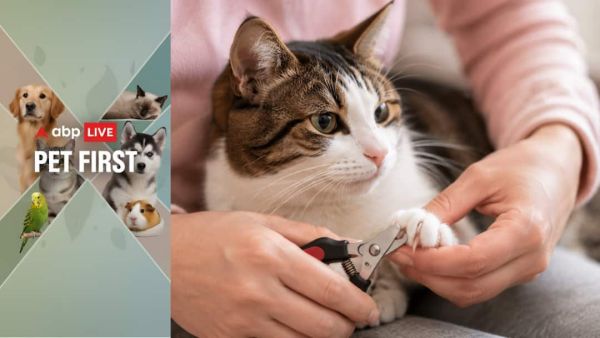
Cats are experts at grooming themselves. From cleaning their fur to licking their paws, they spend hours every day keeping themselves neat. But there's one grooming task they can't do on their own keeping their nails at a healthy length. While scratching posts help keep claws in good condition, they don't always prevent nails from becoming too long, especially for indoor cats. Overgrown claws can cause discomfort, get stuck in carpets or blankets, damage furniture and, in some cases, even grow into the paw pads. The good news is that regular nail trimming is quick, safe and easy once your cat gets used to it. With a little patience and the right technique, it can become a stress-free part of your pet care routine.
Why Nail Trimming Is Important For Cats
A cat's claws grow continuously throughout its life. Although scratching naturally removes the outer layer of the nail, it doesn't always keep the claws short enough. That's why veterinarians recommend trimming them regularly.
Keeping your cat's nails at a healthy length can:
-
Prevent painful overgrown claws
-
Reduce the risk of nails getting caught in fabrics
-
Lower the chances of accidental scratches
-
Protect furniture and household items
-
Help older cats stay comfortable, as they may scratch less often
How Often Should You Trim Them?
There's no fixed schedule, but these general guidelines can help:
-
Indoor cats: Every 2–4 weeks
-
Kittens: Every 2 weeks so they become comfortable with grooming
-
Senior cats: Every 2–3 weeks
-
Outdoor cats: Only when needed, as their nails naturally wear down more
If you hear your cat's nails tapping against the floor or notice them catching on blankets, it's probably time for a trim.
A Safe Way To Trim Your Cat's Nails
Start by choosing a time when your cat is calm after a nap, a meal or some playtime usually works best. Keep a pair of cat nail clippers, a few treats and some styptic powder or cornstarch nearby in case you accidentally nick the nail. Gently hold your cat's paw and press the pad to extend the claw. You'll notice a pink area inside the nail called the quick, which contains nerves and blood vessels. Trim only the clear, pointed tip and stay well away from the pink section. You don't need to cut the nail very short. Simply removing the sharp tip is enough. Once you've finished, reward your cat with a favourite treat or a little playtime. This helps create a positive association with nail trimming. If you accidentally cut into the quick, stay calm. Apply styptic powder or cornstarch to stop the bleeding and give your cat time to settle. If the bleeding doesn't stop after a few minutes, contact your veterinarian.
Simple Tips To Make Nail Trimming Easier
The secret isn't speed it's patience and consistency.
-
Get your cat used to having its paws touched every day.
-
Start nail trimming when your cat is young, if possible.
-
Keep each session short five minutes is often enough.
-
If your cat gets restless, trim just one or two nails and continue another day.
-
Always reward good behaviour with treats or praise.
-
Stay relaxed, as cats can sense your mood.
Scratching posts are still an important part of feline care because they help cats stretch, sharpen their claws and remove old nail layers. However, they don't replace regular nail trimming. With a gentle approach and a little practice, nail trimming becomes less of a chore and more of a simple health habit. A few minutes every few weeks can help keep your cat comfortable, protect your home and prevent painful nail problems before they start.
Disclaimer: The information provided in this article is intended for general informational purposes only. It is not a substitute for professional veterinary advice, diagnosis, or treatment. Always consult a qualified veterinarian regarding your pet’s health, diet, or any medical concerns.
-
High BP: Not just for adults! Children can also have high blood pressure, know the reasons

-
Space Exploration Day 2026: 9 interesting facts related to space, which you will be surprised to know

-
Trendy green bangles set in Saavan: Know how to style it

-
Good news for GTA Online players! Get Free New GT Supercar… Just Follow These Simple Steps

-
Are you troubled by the slow speed of your phone? Make your home screen better with these easy Android tricks