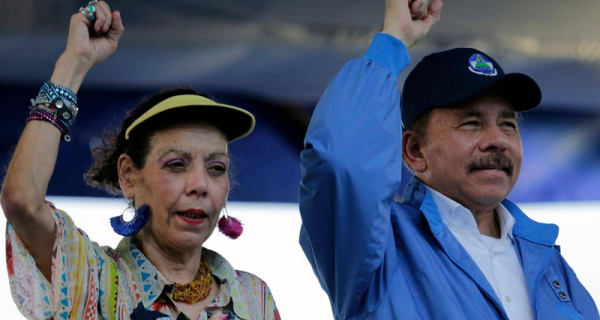
New Delhi . The recent statement of President Daniel Ortega of Central American country Nicaragua has given rise to a new debate in international politics. Ortega, who has been in power for a long time, said that now there will be no elections in the country to change the government. After his statement, many discussions have started regarding Nicaragua’s democratic system, future of power and political system.
Daniel Ortega has been president since 2007 and had previously led the country in the 1980s. In recent years he has continuously strengthened the powers of his government. His latest statement is being seen as an indication that major changes can be made in the current electoral system during the change of power in the future. However, detailed information about any new legal process or formal arrangement in this regard has not been made public.
In his address, Ortega said that now those circumstances will not be allowed to arise again through which the opposition can reach power. He told his supporters that it is necessary to maintain the present system of the country. After this statement, new questions have started being raised regarding the role of opposition parties and democratic institutions.
Nicaraguan politics has been full of controversy for many years. The presidential elections of 2021 had also become the subject of widespread political debate. During that time, many questions were raised regarding the arrest of opposition leaders, ban on political activities and the electoral process. After this, the government made many important changes in the constitutional structure, which expanded the powers of the President and saw widespread changes in the governance system.
Under these constitutional changes, the President’s wife Rosario Murillo was also given an important role in the country’s top leadership. After this, the influence of the executive on various major institutions of government and administration began to be considered stronger than before. Political analysts believe that these changes have further accelerated the process of centralization of power.
Political tension has persisted in Nicaragua since 2018. There was an atmosphere of instability in the country for a long time after anti-government protests and action by security forces. After this, the activities of many opposition leaders, social workers and independent organizations were also affected. Concern has also been expressed at the international level regarding these incidents.
-
Read this also What are the rules of protest in India? When is police permission required and what does the Constitution say?
After the recent statement of President Ortega, the discussion on the political direction of Nicaragua has once again intensified. Experts believe that if any major change is made in the electoral process, its impact will not be limited only to the internal politics of the country, but it can also have wide political and diplomatic effects at the regional and international levels. At present, everyone’s eyes are on what official steps the government takes in the coming time regarding the electoral system and constitutional framework.
-
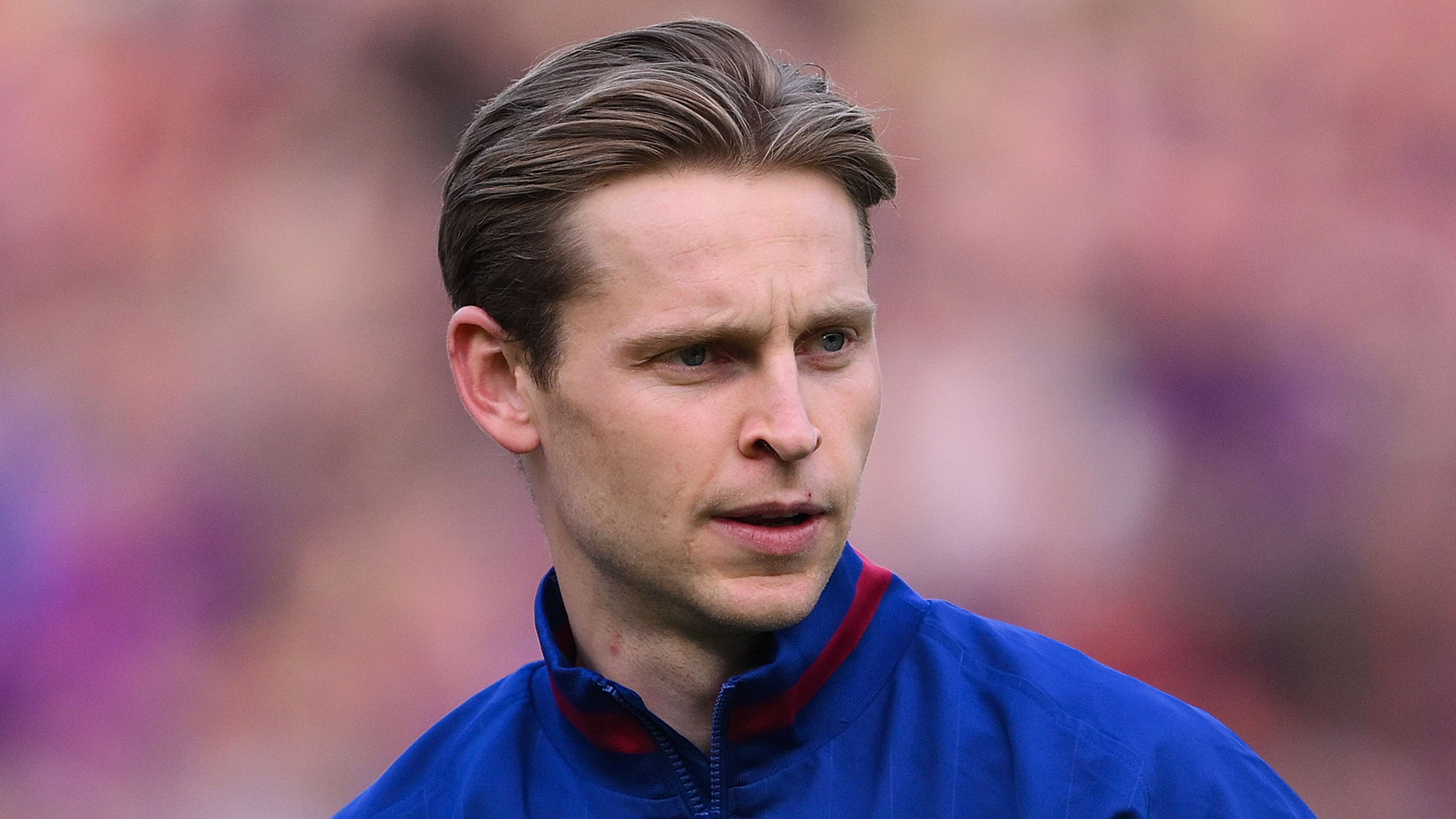
Frenkie de Jong diagnosed with knee ligament injury as Barcelona & Netherlands star says he played through pain during World Cup
-
Happy World Tequila Day! Where To Have The Best Tequila Cocktails In Delhi-NCR

-
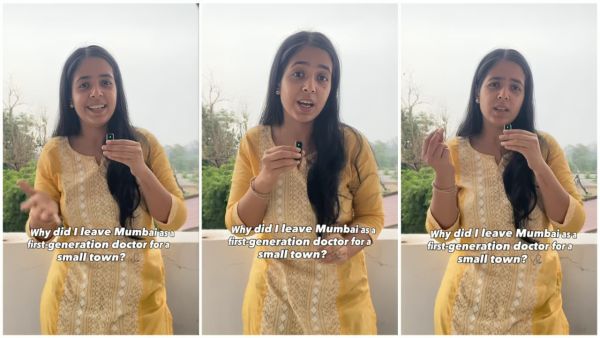
Doctor Shares Why She Left Mumbai After Years Of Crowded Trains, High Costs And No Work-Life Balance
-
Shami, Ashwin, Jadeja…which players suffered the most under Gambhir’s coaching? | Gautam Gambhir Coaching Impact On Ravichandran Ashwin Mohammed Shami Kuldeep Yadav Ravindra Jadeja Rohit Sharma Virat Photoshow

-
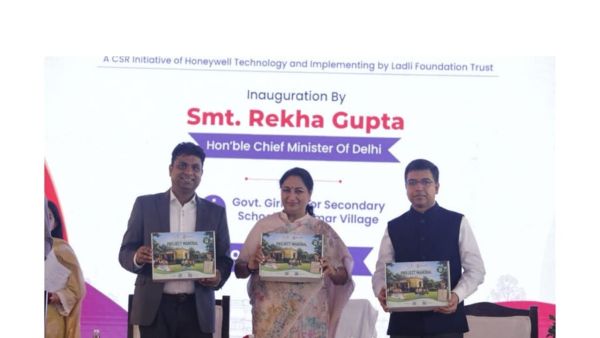
Delhi CM Rekha Gupta Launches Project Manobal to Boost Mental Health in Government Schools