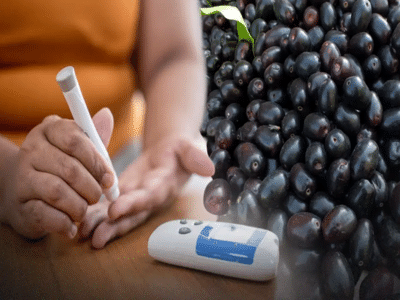
Jamun, also known as the Indian blackberry, is a seasonal fruit loved for its sweet-tangy taste and impressive nutritional value. Rich in vitamin C, potassium, magnesium, iron, fibre, and antioxidants, jamun has long been associated with better health. One of the most common beliefs is that eating jamun—or even consuming its seed powder—can help control diabetes. But how much of this claim is backed by science?
According to Dr. Nishant Jain, Consultant Endocrinologist at Kailash Deepak Hospital, jamun can certainly be a healthy addition to the diet of people with diabetes, but it should not be viewed as a cure or a replacement for prescribed medicines. Instead, it should be considered part of an overall healthy lifestyle that supports better blood sugar management.
Jamun contains several natural plant compounds, including anthocyanins, ellagic acid, flavonoids, and jambolin, which act as powerful antioxidants. These compounds help protect the body's cells from oxidative stress—a type of cellular damage that is more common in people with diabetes and is linked to long-term complications.
Some early research also suggests that jamun may slow the conversion of starch into glucose and could improve the body's response to insulin, the hormone responsible for regulating blood sugar levels. However, experts point out that these findings are still preliminary, and larger human studies are needed before drawing firm conclusions.
Another reason jamun is considered a diabetes-friendly fruit is its high fibre content and low glycaemic index (GI). Foods with a low GI generally cause a slower rise in blood sugar levels compared to high-sugar fruits, making jamun a better choice for people trying to manage their glucose levels.
However, experts warn that eating more jamun does not necessarily mean greater health benefits. Excessive consumption may lead to constipation, bloating, or stomach discomfort in some individuals. People who are already taking diabetes medications or insulin should also be cautious, as dietary changes should always be discussed with their doctor.
It is also advisable to avoid eating jamun on an empty stomach or consuming it immediately before or after drinking milk, as this combination may cause digestive issues in some people.
Health experts emphasise that no single food can control diabetes on its own. Effective diabetes management depends on a balanced diet, regular physical activity, routine blood sugar monitoring, and taking medications exactly as prescribed by a healthcare professional.
Jamun can be a nutritious and diabetes-friendly fruit when eaten in moderation. While its natural compounds and fibre may support healthy blood sugar management, it should be seen as a complement to medical treatment—not a substitute. A healthy lifestyle, guided by medical advice, remains the most effective way to manage diabetes.
-
Where hills meet the Deccan: Assam finds a home in Hyderabad

-
This Rs 600 passport is India’s hottest new travel trend

-
152 paper leaks in a decade: Rahul guns for Modi apology

-
Prabhas and Katrina Kaif may share screen for the first time

-
Amid CJP protests, is Aamir Khan’s 3 Idiots returning to theatres?