
Doctors, nurses and other healthcare professionals dedicate their lives to treating patients, often working long hours under immense pressure. Yet, across the world, the people responsible for saving lives are increasingly becoming victims of violence. From verbal abuse and threats to physical assaults, workplace aggression against healthcare workers has emerged as a major public health concern. The World Health Organization (WHO) has described the trend as a growing global crisis, warning that violence against healthcare workers not only endangers medical staff but also affects the quality of patient care and the overall functioning of health systems.
WHO Report Highlights A Disturbing Reality
According to the WHO, nearly 4 in 10 healthcare workers experience physical violence at least once during their careers. When verbal abuse, intimidation, threats and other forms of workplace aggression are included, the figure rises to 60–62%, indicating that a majority of healthcare professionals face some form of violence while performing their duties. Research published in the medical journal Atención Primaria also paints a worrying picture. The review found some of the highest reported rates of violence against healthcare workers in Germany (91%), China (90%), Peru (84.5%), Turkey (84%) and India (77.3%). Significant numbers were also reported in Jordan (63%), Bulgaria (55%), Italy (51.5%), Poland (51%) and the United States (47%). The findings suggest that workplace violence is not limited to developing nations but has become a widespread challenge affecting healthcare systems across the globe.
Why Are Attacks On Doctors Increasing?
Healthcare experts believe several factors contribute to rising aggression against medical professionals. Overcrowded hospitals, staff shortages, long waiting times and increasing patient expectations often create frustration among families seeking treatment. Communication gaps between healthcare providers and patients can further escalate tensions, particularly during medical emergencies or when treatment outcomes do not meet expectations. Medical experts also point out that declining patience and unrealistic expectations have intensified the problem. In many cases, anger over delays, costs or unsuccessful treatment is directed at doctors and hospital staff, even when they have followed appropriate medical protocols. The result is an increasingly stressful work environment that affects both the mental well-being of healthcare workers and the quality of care they are able to provide.
India And The Global Response
India has enacted laws in 19 states to protect healthcare workers, yet incidents of violence continue to be reported. Many medical associations argue that a comprehensive national law is needed to ensure uniform protection across the country. In Maharashtra alone, 738 cases related to attacks on healthcare workers were registered between 2010 and 2021 under the state's protective legislation. Several countries have adopted stricter measures to improve healthcare worker safety. Spain classified assaults on doctors as crimes against the state, leading to a reported decline in violent incidents. Singapore imposes heavy fines and jail terms for abuse or assault of healthcare workers while also providing staff with specialised training to handle difficult situations. In the United Kingdom, patients involved in violent behaviour can be removed from a general practitioner's patient list, while several US states have introduced stricter penalties for assaulting healthcare personnel. Healthcare experts believe that stronger legal protection, better hospital security, improved communication with patients and greater public awareness are essential to creating safer workplaces. Protecting healthcare workers, they say, is not only about safeguarding those who provide medical care it is also vital for ensuring safe, effective and uninterrupted healthcare services for everyone.
-
Glass, Steel, Copper or Plastic… Which is the Best Water Bottle for Kids? Information provided by Pediatrician

-
Planning to Own a Car for 10 Years? Don’t Miss These 5 Reliable Picks Under Rs 15 Lakh

-
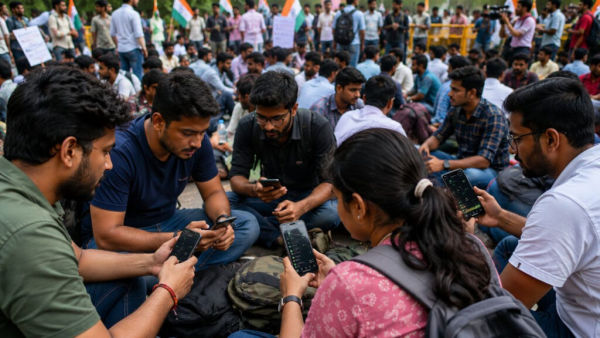
No network, message still delivered! Special app used in CJP protest
-
‘Vi’ relief for Mumbaikars in heavy rains; Safe shelter and mobile charging facility will be available in ‘V’ stores

-
Manchester City extends contract of Phil Foden until 2030