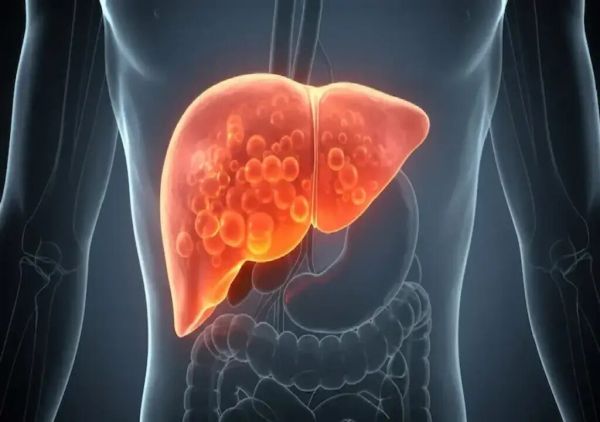
New Delhi: Fatty liver disease, once considered a condition affecting mainly adults, is increasingly being diagnosed among children and adolescents, prompting health experts to call for early screening and healthier lifestyles. Doctors say the growing prevalence of childhood obesity, poor dietary habits and physical inactivity has contributed to the rise in metabolic dysfunction-associated steatotic liver disease (MASLD), now regarded as one of the most common chronic liver diseases in the paediatric population.
Childhood obesity driving fatty liver disease
Medical experts say the sharp increase in childhood obesity has been a major factor behind the growing number of fatty liver cases worldwide.
Research indicates that the prevalence of obesity among children and adolescents rose from around 4 per cent in 1975 to 18 per cent in 2016. As a result, MASLD now affects an estimated 5 to 10 per cent of children and adolescents globally.
The condition is significantly more common among overweight and obese children, highlighting the close connection between excess body weight and liver health.
India witnessing a similar trend
India has also seen a concerning rise in paediatric fatty liver disease.
A school-based study involving overweight and obese Indian children aged 11 to 15 years found that nearly 62 per cent had fatty liver disease despite showing no obvious symptoms.
Some reports also suggest that around 35 per cent of Indian children may currently have fatty liver disease.
Many affected children were found to have associated metabolic disorders such as insulin resistance, elevated triglyceride levels and high blood pressure, increasing their risk of future health complications.
Disease often develops without symptoms
One of the biggest challenges in detecting fatty liver disease among children is that it usually develops silently.
Most children do not experience noticeable symptoms during the early stages, allowing fat to accumulate gradually within the liver.
If left undiagnosed and untreated, the condition can progress to liver inflammation, scarring and, in severe cases, advanced liver disease.
Experts also warn that children with fatty liver disease face a higher risk of developing Type 2 diabetes, cardiovascular disease and other metabolic disorders later in life.
Lifestyle plays a crucial role
Health experts emphasise that fatty liver disease is not caused by dietary fat alone.
Instead, they say the condition develops through a combination of excessive calorie intake, obesity, insulin resistance, genetic susceptibility and sedentary lifestyles.
Frequent consumption of sugary beverages, refined carbohydrates, ultra-processed foods and high-calorie diets contributes significantly to unhealthy weight gain and metabolic dysfunction.
Reduced physical activity and prolonged screen time further increase the likelihood of developing the condition.
Research has shown that reducing free sugar intake can significantly decrease liver fat and improve liver health markers within a relatively short period.
Healthy eating and exercise remain key
Doctors recommend that the primary goal should be improving metabolic health rather than focusing solely on weight loss.
A balanced diet rich in fruits, vegetables, whole grains, legumes, nuts, seeds and fish can help reduce the risk of fatty liver disease.
Experts also advise replacing trans fats with healthier sources of essential fatty acids, including omega-3 from fish, flax seeds and chia seeds, and omega-6 from foods such as walnuts, eggs and certain vegetable oils.
Regular physical activity, adequate sleep and limiting processed foods and sugary drinks are equally important in maintaining liver health.
Research explores role of tocotrienols
Scientists are also studying naturally occurring compounds known as tocotrienols, a form of vitamin E found in palm oil, rice bran oil and annatto seeds.
Experimental studies have suggested that tocotrienols possess antioxidant and anti-inflammatory properties that may help reduce liver fat, improve liver function and minimise inflammation.
However, experts caution that more clinical research is needed before tocotrienols can be recommended as a standard nutritional intervention for fatty liver disease.
They stress that no supplement can replace the benefits of a balanced diet, regular exercise and healthy lifestyle habits.
Early prevention is essential
Health professionals say preventing fatty liver disease should begin early in life through healthy eating habits, regular physical activity and reduced screen time.
Parents, schools and communities all have a role in encouraging healthier food choices and creating environments that support active lifestyles.
Experts believe that early intervention can significantly reduce the risk of long-term metabolic and liver- illnesses among children.
Conclusion
The rising incidence of fatty liver disease among children has emerged as a significant public health concern. While ongoing research continues to explore new nutritional approaches, doctors agree that balanced diets, regular exercise and early lifestyle interventions remain the most effective strategies to prevent the condition and safeguard children’s long-term health.
-
Big news of 23rd July morning: PM Modi’s biggest announcement on paper leak amid CJP Protest! | PM Modi S Major Paper Leak Plan Amid CJP Protest

-
INTC Stock Ticks Up Ahead Of Earnings: Ohio Fab Buzz Grows As Intel Reportedly Seeks New Partner

-
5 Reasons Why Thalapathy Vijay’s Jana Nayagan Could Become The Biggest Blockbuster of 2026

-
Priyanka Gandhi urges Centre to hold dialogue with protesting students

-
Uttarakhand News: CM Pushkar Singh Dhami launches ‘Seva Vidhi’, big guidance for government employees. Uttarakhand News Cm Pushkar Singh Dhami Seva Vidhi Book Launch Government Employees Service Rules