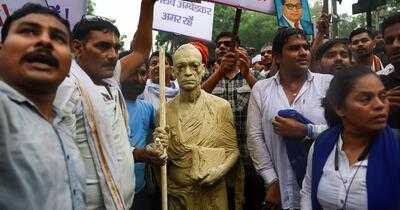
On Thursday night, educator and environmental activist Sonam Wangchuk ended the hunger strike he had started more than three weeks ago in Delhi. He is well-known for peaceful protests, some of them fasts, demanding statehood for Ladakh and drawing attention to the ecological fragility of the Himalaya.
This time, though, the issue was different.
In May, the question paper for the NEET-UG, the national entrance exam for medical school, leaked. In June, more than two million students were made to redo the exam – one of the largest examination frauds in recent memory.
Wangchuk began fasting in solidarity with members of the Cockroach Janata Party, a youth movement only weeks old but already nationally known. They were demanding Education Minister Dharmendra Pradhan’s resignation, accountability for the leak and an overhaul of the entrance examination system itself.
India did not invent going hungry in protest, but it has clearly made the method its own. One could even fashion an alternative history of the Republic based on its major fasts – not just of marginal protests but some of the most significant confrontations between the Indian state and people.
Even the most basic of lists is long: Sant Fateh Singh, whose refusals of food in the 1960s helped carve a Punjabi-speaking state...
Read more
-
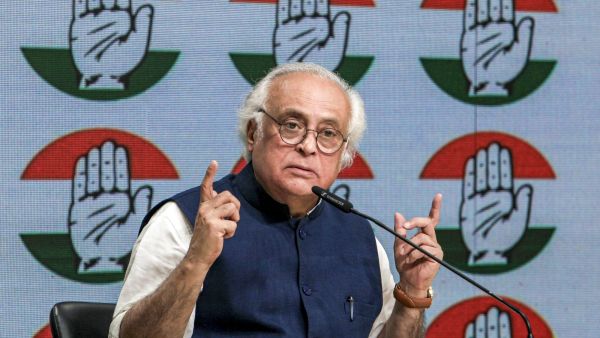
Congress targets Modi over video message on NEET protest
-
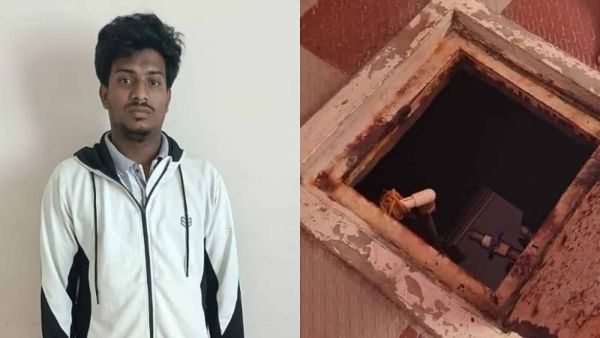
Father held for killing 13-day-old baby girl in Karnataka
-
Mumbai court orders Flipkart to refund iPhone buyer sent beard oil

-
Unusual Twist! India To Play As 'Visiting Team' On Home Soil Ahead Of Asian Games
-
Delhi University Warns Students Against Jantar Mantar Gatherings; Issues Important Advisory