Cheese During Pregnancy: Which Types Are Safe and Which to Avoid
Pregatips | July 24, 2026 1:39 PM CST
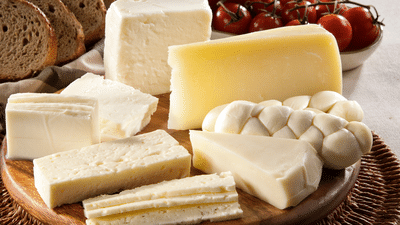
Cheese during pregnancy is safe to eat as long as it is made from pasteurised milk. According to the CDC, hard cheeses such as cheddar, parmesan, and gouda are safe even when made from unpasteurised milk, because their low moisture content prevents bacterial growth. Soft, moist cheeses made from unpasteurised (raw) milk carry a risk of listeria, a bacterial infection that can cause miscarriage, stillbirth, or serious illness in newborns.
Why Is Cheese a Concern During Pregnancy?The concern isn't cheese itself but Listeria monocytogenes, a bacterium found in raw, unpasteurised milk and milk products.
Pregnant women are about 10 times more likely to develop listeriosis than other healthy adults, due to changes in immune function during pregnancy. Listeriosis in pregnant women can lead to serious complications including miscarriage, premature labour, low birth weight, or stillbirth. It can lead to lasting health problems in the baby if it occurs late in pregnancy.
Symptoms in the mother are often mild or absent, making listeriosis go unnoticed until it affects the baby. This makes avoiding high-risk foods more effective than watching for symptoms.

Which Cheese Is Safe to Eat During Pregnancy?Most cheeses are safe during pregnancy once pasteurisation is confirmed, and several categories carry no risk at all:
Cheese Safety at a Glance
Is Paneer Safe During Pregnancy?Paneer made at home or bought from a trusted dairy using pasteurised milk is safe and a good sourceof protein and calcium.
Paneer sold loose at unregulated street vendors or small unorganised dairies, where the milk source can't be confirmed, carries a higher risk, since it is a fresh, high-moisture cheese with no ageing process to lower bacterial risk.
Buying paneer from branded, packaged sources or making it at home with pasteurised milk is the safer choice.
How to Check If a Cheese Is SafeA few practical checks can confirm whether a cheese is safe to eat, whether you're buying, cooking, or eating out:
Whether you’re pregnant, a new mom, or navigating postpartum, you don’t have to do it alone. Join our support group to connect, share, and support one another.
FAQs Cheese During Pregnancy: Which Types Are Safe and Which to AvoidIs feta cheese safe during pregnancy?
Only if it's made from pasteurised milk, check the label; unpasteurised feta carries a listeria risk.
Can I eat cream cheese while pregnant?
Yes, commercial cream cheese sold in India and internationally is pasteurised and safe to eat.
Is cheesecake safe during pregnancy?
Yes, both baked and no-bake cheesecake are safe when made with pasteurised cream cheese, which is standard in commercially sold cream cheese. Baking further reduces any risk, since heat destroys listeria.
Why Is Cheese a Concern During Pregnancy?The concern isn't cheese itself but Listeria monocytogenes, a bacterium found in raw, unpasteurised milk and milk products.
Pregnant women are about 10 times more likely to develop listeriosis than other healthy adults, due to changes in immune function during pregnancy. Listeriosis in pregnant women can lead to serious complications including miscarriage, premature labour, low birth weight, or stillbirth. It can lead to lasting health problems in the baby if it occurs late in pregnancy.
Symptoms in the mother are often mild or absent, making listeriosis go unnoticed until it affects the baby. This makes avoiding high-risk foods more effective than watching for symptoms.
Which Cheese Is Safe to Eat During Pregnancy?Most cheeses are safe during pregnancy once pasteurisation is confirmed, and several categories carry no risk at all:
- Hard cheese: Cheddar, parmesan, gouda, and Swiss are safe, whether pasteurised or not, because their low moisture doesn't support bacterial growth.
- Pasteurised soft cheese: Mozzarella, cream cheese, cottage cheese, ricotta, mascarpone, and pasteurised feta or goat cheese are safe once the label confirms pasteurised milk.
- Processed cheese: Cheese slices, cheese spreads, and cheese cubes sold by major brands are pasteurised and safe.
- Semi-soft cheese: Mozzarella and processed cheddar-style block cheese used on pizzas are safe when commercially made.
- Unpasteurised soft cheese: Raw-milk brie, camembert, and other mould-ripened, bloomy-rind cheese, even when imported and sold in premium stores, unless the label confirms pasteurisation.
- Unpasteurised blue cheese: Roquefort and traditional raw-milk blue cheese.
Cheese Safety at a Glance
| Cheese Type | Examples | Pasteurised Milk Needed? | Safe During Pregnancy? |
| Hard cheese | Cheddar, parmesan, gouda, swiss | No, low moisture prevents bacterial growth | Yes, always |
| Pasteurised soft cheese | Mozzarella, cream cheese, ricotta | Yes | Yes, if label confirms pasteurised |
| Processed cheese | Cheese slices, spreads, cubes | Yes (standard for branded products) | Yes |
| Unpasteurised soft cheese | Raw-milk brie, camembert | Cannot be made safe unless cooked | Avoid, unless cooked until steaming hot |
| Unpasteurised blue cheese | Roquefort, raw-milk blue cheese | Cannot be made safe unless cooked | Avoid, unless cooked until steaming hot |
| Paneer | Homemade or branded paneer | Yes | Yes, if source is trusted/pasteurised |
Paneer sold loose at unregulated street vendors or small unorganised dairies, where the milk source can't be confirmed, carries a higher risk, since it is a fresh, high-moisture cheese with no ageing process to lower bacterial risk.
Buying paneer from branded, packaged sources or making it at home with pasteurised milk is the safer choice.
How to Check If a Cheese Is SafeA few practical checks can confirm whether a cheese is safe to eat, whether you're buying, cooking, or eating out:
- Look for "made with pasteurised milk" on the packaging.
- Choose branded, packaged cheese over loose or unlabelled varieties.
- Cook any soft cheese until steaming hot before eating, if pasteurisation status is unclear.
- Store cheese in the refrigerator and consume before the expiry date, since prolonged room-temperature exposure increases risk.
Whether you’re pregnant, a new mom, or navigating postpartum, you don’t have to do it alone. Join our support group to connect, share, and support one another.
FAQs Cheese During Pregnancy: Which Types Are Safe and Which to Avoid
Only if it's made from pasteurised milk, check the label; unpasteurised feta carries a listeria risk.
Yes, commercial cream cheese sold in India and internationally is pasteurised and safe to eat.
Yes, both baked and no-bake cheesecake are safe when made with pasteurised cream cheese, which is standard in commercially sold cream cheese. Baking further reduces any risk, since heat destroys listeria.
READ NEXT