Does Teething Cause Fever in Babies? A Doctor Explains
Pregatips | July 24, 2026 5:39 PM CST
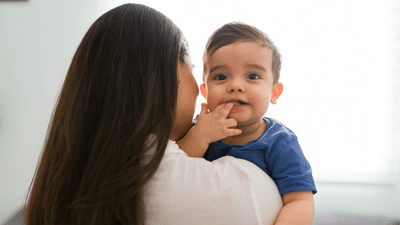
Teething is a natural process in which your baby's teeth begin to come through the gums. It usually occurs during the first year of life. During this time, your baby may become fussy, drool more, or want to chew on things. On the other hand, a fever occurs when your baby's body temperature rises, often because the body is fighting an infection.
Since both can happen during infancy, parents may wonder what their baby is experiencing. Our expert shares the facts about teething and fever and explains when parents should pay closer attention to their baby's symptoms.
Why Do Parents Often Confuse Teething and Fever?Many parents confuse teething with fever because they often occur at the same stage of a baby's development. Most babies start teething between 6 and 12 months of age, which is also the time when they begin exploring their surroundings and putting objects in their mouths.
As a result, they may develop infections that can cause fever. Over the years, many people have also believed that fever is a normal part of teething. This common belief can make it difficult for parents to know the real cause when their baby feels warm.
What Happens During Teething?Teething happens when your baby's teeth start coming through the gums. As the teeth move upward, your baby's gums may become sore or sensitive for a short time. This pressure on the gums can make your baby uncomfortable for a short time. As the teeth come in, your baby may have sore gums, drool more, or want to chew on things to feel better.

Does Teething Really Cause Fever?Teething may make your baby feel slightly warm, but it does not usually cause a true fever. A true fever means your baby's body temperature is 38°C (100.4°F) or higher. As the teeth move through the gums, mild irritation may cause a slight increase in body temperature.
High fever is usually not caused by teething. If your baby has a temperature above 38°C, it may be due to an infection or another illness rather than teething.
Teething vs Fever: Key Differences Parents Should KnowTeething and fever can sometimes happen around the same time, which can make it difficult to understand what your baby is experiencing. Looking at your baby's overall symptoms, behaviour, and temperature can help you tell the difference.
The table below highlights common signs that may help you determine whether your baby is teething or has a fever or illness:
What Should You Do If Your Baby Feels Warm During Teething?Here are a few things parents can keep in mind.
Whether you’re pregnant, a new mom, or navigating postpartum, you don’t have to do it alone. Join our support group to connect, share, and support one another.
FAQs on Does Teething Cause Fever in Babies? A Doctor ExplainsHow long can teething discomfort last?
Teething discomfort may last for a few days before and after a tooth appears, although it can vary from one baby to another.
Can changes in weather cause fever during teething?
No, weather changes do not cause fever. If your baby has a fever, it may be related to an illness or infection.
Is it normal for my baby to sleep more while teething?
Some babies may sleep more or experience changes in their sleep patterns during teething due to discomfort.
Since both can happen during infancy, parents may wonder what their baby is experiencing. Our expert shares the facts about teething and fever and explains when parents should pay closer attention to their baby's symptoms.
Why Do Parents Often Confuse Teething and Fever?Many parents confuse teething with fever because they often occur at the same stage of a baby's development. Most babies start teething between 6 and 12 months of age, which is also the time when they begin exploring their surroundings and putting objects in their mouths.
As a result, they may develop infections that can cause fever. Over the years, many people have also believed that fever is a normal part of teething. This common belief can make it difficult for parents to know the real cause when their baby feels warm.
What Happens During Teething?Teething happens when your baby's teeth start coming through the gums. As the teeth move upward, your baby's gums may become sore or sensitive for a short time. This pressure on the gums can make your baby uncomfortable for a short time. As the teeth come in, your baby may have sore gums, drool more, or want to chew on things to feel better.
Does Teething Really Cause Fever?Teething may make your baby feel slightly warm, but it does not usually cause a true fever. A true fever means your baby's body temperature is 38°C (100.4°F) or higher. As the teeth move through the gums, mild irritation may cause a slight increase in body temperature.
High fever is usually not caused by teething. If your baby has a temperature above 38°C, it may be due to an infection or another illness rather than teething.
Teething vs Fever: Key Differences Parents Should KnowTeething and fever can sometimes happen around the same time, which can make it difficult to understand what your baby is experiencing. Looking at your baby's overall symptoms, behaviour, and temperature can help you tell the difference.
The table below highlights common signs that may help you determine whether your baby is teething or has a fever or illness:
| If your baby… |
It may be teething |
It may be a fever or an illness |
| Feels slightly warm but remains active and playful |
✓ |
|
| Wants to chew on toys, fingers, or other objects |
✓ |
|
| Has swollen or sensitive gums |
✓ |
|
| Eats less because the gums feel sore |
✓ |
|
| Has a temperature above 38°C (100.4°F) |
✓ |
|
| Has a cough, cold, or runny nose |
✓ |
|
| Has vomiting or diarrhoea |
✓ |
|
| Seems unusually sleepy or less active |
✓ |
|
| Cries for a long time and is difficult to comfort |
✓ |
|
| Has symptoms that continue for several days |
✓ |
- Check your baby's temperature with a thermometer
- Keep your baby comfortable and offer plenty of fluids
- Watch whether your baby is feeding, playing, and sleeping as usual
- Look for other symptoms such as cough, cold, vomiting, or diarrhoea
- Avoid assuming that warmth is always caused by teething
- Keep an eye on your baby's temperature if they continue to feel warm
Whether you’re pregnant, a new mom, or navigating postpartum, you don’t have to do it alone. Join our support group to connect, share, and support one another.
FAQs on Does Teething Cause Fever in Babies? A Doctor Explains
Teething discomfort may last for a few days before and after a tooth appears, although it can vary from one baby to another.
No, weather changes do not cause fever. If your baby has a fever, it may be related to an illness or infection.
Some babies may sleep more or experience changes in their sleep patterns during teething due to discomfort.
READ NEXT
-
Saudi Arabia tops MENA in digital government services

-
RAF probes ‘excessive force’ used by personnel against students

-
Parliament remains deadlocked over NEET paper leak controversy
-
Bill in Rajya Sabha to criminalise insult to ‘Vande Mataram’

-
Pakistan’s first Netflix original drama premiere details out