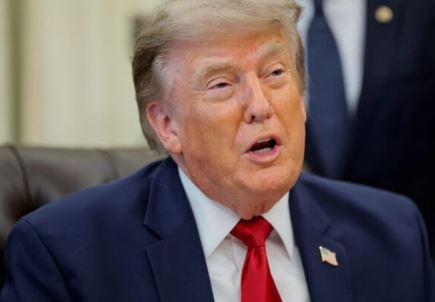
Trump Tariff: America has announced a new 10 percent tariff on imports from India. Saying that this step is for those countries which have failed to properly ban or impose restrictions on goods made with forced labour. The tariff, announced by the Office of the US Trade Representative (USTR), is part of a larger action covering the economies of 60 countries and will replace a temporary 10 percent global tariff imposed earlier this year. It is a different matter that India managed to get a lower tariff than the originally proposed 12.5 percent, but this move has added another layer of uncertainty to the ongoing India-US trade talks.
What is the US Forced Labor Tariff?
Section 301 allows the US government to investigate whether another country’s trade practices are unfair or discriminatory. If necessary, it can impose retaliatory measures like tariffs. This tariff results from an investigation initiated by the Trump Administration in March 2026 under Section 301 of the Trade Act of 1974.
Unlike temporary tariffs imposed under other regulations, Section 301 tariffs have no expiration date and are not subject to a maximum rate, although they do require a formal investigation before being implemented.
The new investigation looked at whether the 60 economies had failed to effectively enforce or prohibit the import of goods produced by forced labor, to some extent or in part. Washington concluded that such failures distort trade, burden US commerce, and encourage unfair trade practices.
Why was India’s tariff reduced by 10 percent?
India was initially among the countries expected to face tariffs of 12.5% because Washington believed it had not done enough to stop imports of goods made with forced labour. Its immediate impact will be that Indian exports to the US will attract an additional duty of 10 percent under the new Section 301 action, unless they fall in the exempted product category identified by the US administration. What impact does this have on India-US trade talks? The tariff announcement comes at a time when New Delhi and Washington continue talks on a major bilateral trade agreement. Trade experts believe the new forced labor tariffs are unlikely to end negotiations, but could become another issue that both sides will grapple with.
-
India Today sacks 120 employees in four days, cites restructuring

-
Delhi Police seek death penalty for former AAP leader Tahir Hussain
-
Photos of Vijay and Sai from the set of Mani Ratnam's film leaked; fans excited..

-
Reality Show Contestant Unveils the Truth Behind On-Screen Drama and Relationships

-
CM Pushkar Singh Dhami Highlights Uttarakhand's 27 GI-Tagged Products, Guru Ravidas' Message Of Social Harmony