The saree drape that vanished after India's Independence; Know why?
ETimes | July 25, 2026 9:39 AM CST
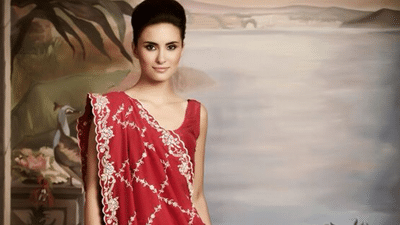
Sarees in India are not simply one piece of clothing, each type carries different kinds of draping customs prevailing in the Indian subcontinent because of geography, culture, caste, and community. Contemporary styles like the Nivi drape from Andhra Pradesh or Bengal’s aatpoure are well-known, but did you know that a popular saree drape existed during colonial times that later disappeared after India's independence? It was the decline of the Parsi Gara saree drape.
The Parsi community came to India in the 8th and 10th centuries, settling in the region of Gujarat and Bombay, now known as Mumbai. By the dawn of the 19th century, Parsis were already a prominent business community in India, serving as notable businessmen, industrialists, and philanthropists during the British Raj.
From the time when trade was active between India and China, Parsi families began importing beautiful silk silhouettes decorated with Chinese patterns of cranes, peonies, butterflies, pagodas, and flowering vines. These silks were eventually called Gara sarees.
But how was this drape different from the others?
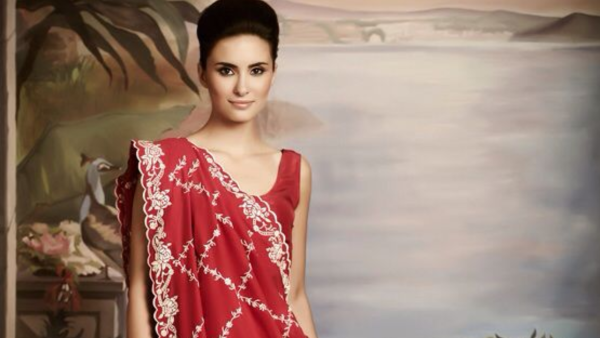
The Parsi Gara drape was similar enough to the Nivi drape but still had some distinctions. The pallu was intricately embroidered and draped on the shoulders to reveal beautiful details in embroidery, whereas the pleats looked sleek and narrow and were placed skilfully to give a smooth look. The pallu fell gracefully on the back, rather than being pinned, and was matched with long sleeves of the embroidered blouse made in the Victorian style.
Why did it fade away post-Independence?
Prior to 1947, the Parsi elite had a distinct tier in the colonial social hierarchy, and their fashion sensibility formed under the influence of Western and Chinese markets. Well, after the independence, the country opted to return to its roots and promote the traditional fabrics and folklore.

Also, with the emergence of the nivi drape, which originated at the beginning of the last century, it became the most prevalent style in the country throughout the current century. Its popularity was explained by its comfort, ease of use, and elegant business-like appearance. In addition, after being portrayed in films, the style became recognised as a national dress. Subsequently, several styles of saree wrapping, including Parsi Gara, soon were pushed to the background and were considered appropriate only for specific occasions.
Is it making a comeback?
Nowadays, the combination of dress shops, institutions, and fashion designers are trying to return Gara sarees to the front pages of newspapers and social media. Still, only time will tell if they will be able to do that on the global stage and beyond the realm of advertisements.
The Parsi community came to India in the 8th and 10th centuries, settling in the region of Gujarat and Bombay, now known as Mumbai. By the dawn of the 19th century, Parsis were already a prominent business community in India, serving as notable businessmen, industrialists, and philanthropists during the British Raj.
From the time when trade was active between India and China, Parsi families began importing beautiful silk silhouettes decorated with Chinese patterns of cranes, peonies, butterflies, pagodas, and flowering vines. These silks were eventually called Gara sarees.
But how was this drape different from the others?
The Parsi Gara drape was similar enough to the Nivi drape but still had some distinctions. The pallu was intricately embroidered and draped on the shoulders to reveal beautiful details in embroidery, whereas the pleats looked sleek and narrow and were placed skilfully to give a smooth look. The pallu fell gracefully on the back, rather than being pinned, and was matched with long sleeves of the embroidered blouse made in the Victorian style.
Why did it fade away post-Independence?
Prior to 1947, the Parsi elite had a distinct tier in the colonial social hierarchy, and their fashion sensibility formed under the influence of Western and Chinese markets. Well, after the independence, the country opted to return to its roots and promote the traditional fabrics and folklore.
Also, with the emergence of the nivi drape, which originated at the beginning of the last century, it became the most prevalent style in the country throughout the current century. Its popularity was explained by its comfort, ease of use, and elegant business-like appearance. In addition, after being portrayed in films, the style became recognised as a national dress. Subsequently, several styles of saree wrapping, including Parsi Gara, soon were pushed to the background and were considered appropriate only for specific occasions.
Is it making a comeback?
Nowadays, the combination of dress shops, institutions, and fashion designers are trying to return Gara sarees to the front pages of newspapers and social media. Still, only time will tell if they will be able to do that on the global stage and beyond the realm of advertisements.
READ NEXT
-
Gemini Horoscope Today, July 25, 2026: Business will be moderate, will maintain a sense of professionalism
-
Aries Horoscope Today, July 25, 2026: Avoid Acting on Impulse, Increase Composure
-
Pisces Horoscope Today, July 25, 2026: Morale Will Be High, You Will Maintain a Rational Approach
-
Aquarius Horoscope Today, July 25, 2026: Will Act Wisely, Will Achieve Goals
-
Two foods that can remain poisonous even after cooking