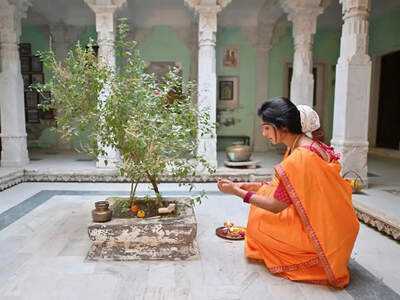
The observance of Devshayani Ekadashi is taking place today, which occurs every year on the Ekadashi of the bright fortnight (Shukla Paksha) in the month of Ashadha. This day is significant as it marks the time when Lord Shri Hari Vishnu enters a cosmic slumber known as *Yoganidra*, initiating the four-month period referred to as *Chaturmas*. The Tulsi plant, cherished by Lord Vishnu, plays a vital role in the worship conducted on this day. According to sacred texts, performing rituals dedicated to Tulsi while adhering to specific guidelines on Devshayani Ekadashi invites the blessings of Lord Vishnu and Goddess Lakshmi, while also eliminating various negative energies or flaws (*doshas*) from the home. It is crucial to remember certain guidelines while worshipping Tulsi on this auspicious day.
Importance of Tulsi Worship on Devshayani Ekadashi
Astrologers assert that the worship of Tulsi on Devshayani Ekadashi transcends mere ritual; it embodies devotion, purity, and positive energy. It is believed that honoring Mother Tulsi alongside Lord Vishnu on this day promotes happiness, prosperity, mental tranquility, and familial harmony. Engaging in worship with genuine faith and proper rituals heralds a blessed start to *Chaturmas* and facilitates spiritual advancement, while also cleansing the home of negative influences.
Guidelines for Tulsi Worship
After taking a morning bath, cleanse the Tulsi altar (*Tulsi Chaura*) and present offerings such as sandalwood paste, vermilion (*roli*), unbroken rice grains (*akshat*), and flowers. It is important to note that water should not be offered to the Tulsi plant on Ekadashi, as Tulsi herself observes a waterless (*Nirjala*) fast on this day. Light a ghee lamp before Mother Tulsi both in the morning and evening, and perform circumambulation (*parikrama*) either 11 or 21 times. Offer Tulsi leaves to Lord Vishnu while chanting the mantra ‘Om Namo Bhagavate Vasudevaya’. Sitting near the Tulsi plant and reciting the *Vishnu Sahasranama* or *Vishnu Chalisa* is considered highly auspicious. Additionally, consume *Sattvic* food and engage in charitable acts as per your ability.
What to Avoid During Tulsi Worship
On Ekadashi, it is essential not to offer water to the Tulsi plant. One should refrain from touching the Tulsi plant, even accidentally. It is advisable to respectfully pluck and set aside the Tulsi leaves needed for worship a day prior. Ensure that the area surrounding the Tulsi plant remains clean, and avoid consuming *tamasic* food, meat, alcohol, or smoking nearby. On this significant day, it is also important to avoid anger, falsehood, harsh words, and disputes.
The Significance of Devshayani Ekadashi
Devshayani Ekadashi, which occurs during the waxing phase (Shukla Paksha) of Ashadha, holds profound importance in Sanatan Dharma. On this day, it is believed that Lord Shri Hari Vishnu enters *Yoganidra* on the bed of Sheshnag in the *Kshir Sagar* (Ocean of Milk), marking the commencement of *Chaturmas*. Observing the fast of Devshayani Ekadashi and worshipping Lord Vishnu and Goddess Lakshmi with the correct rituals is said to bring joy, prosperity, and peace into one’s life. Engaging in prayer, penance, charity, and chanting Lord Vishnu's mantras with devotion on this day is believed to eradicate sins and yield eternal merit. Additionally, donating food, clothing, water, and *dakshina* (offerings/alms) to those in need on this day is thought to invoke the special grace of Lord Vishnu.
-
Shahrukh Khan's Knight Riders Rope In Pakistani Bowler Usman Tariq

-
Doc Talk | Skin Disorders In India Are On The Rise; Here's Why Experts Recommend A Holistic Approach

-
Abhijeet Dipke Thanks CJI's 'Cockroach' Comment After Dharmendra Pradhan Resigns

-
Commonwealth Games Explained: When It Started, Why They Matter And More

-
NITTT Exam 2026: NTA Announces Dates For April-May Semester Candidates; Check Full Schedule & Guidelines Here