Cancer Disease: Timely identification of a serious disease like cancer has long been one of the biggest challenges facing medical science. In most cases, the disease is detected when it has progressed significantly. However, now scientists are working on a new technology, which has increased the hope of detecting early signs of cancer through just a small blood sample. If this technology proves successful on a large scale, then millions of patients can get timely treatment in the future.
Early signs of cancer can be found through simple blood test
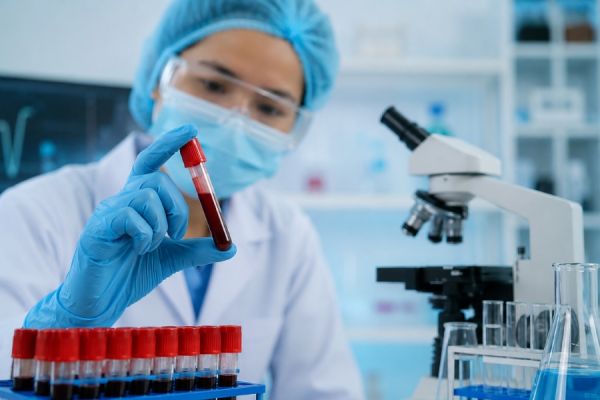
In the new technology, a modern testing method called liquid biopsy is being used. The purpose of this test is to identify very small DNA fragments associated with cancer present in the blood. Many times these signals are at such an early stage that even normal scanning techniques cannot detect them. In such a situation, this test can play an important role in early identification of the disease.
Big clinical study going on on 7,000 patients
Under this research, about 7,000 such patients have been included, whose cancer treatment has already been completed. Their blood samples will be tested regularly over the coming years to understand how accurately the technology can predict cancer return.
If the report comes positive, treatment will start soon (Cancer Disease)
If blood tests detect cancer-associated remains, patients can be given immunotherapy or other modern treatments in time. Whereas patients whose reports are normal, they can be saved from unnecessary procedures like chemotherapy or radiation. This may also reduce the side effects of treatment.
Investigation is being done on not just one but many types of cancer.
Researchers do not want to limit this technology to just one type of cancer. During the study, it is also being tested how effective this blood test proves to be in identifying and monitoring different types of cancer. Patients will be monitored for several years so that accurate results can be obtained.
Experts advised to take precautions
Although the initial results are considered encouraging, but experts say that at present this technique cannot be considered a part of regular therapy. Before it can be adopted on a wide scale, it is necessary to complete large clinical trials and gather sufficient scientific evidence.
A patient’s experience raised hopes
In the case of a patient involved in a clinical trial, residual signs of cancer were detected in time through blood tests. After this he was given new immunotherapy and after treatment his reports continued to be normal. Such experiences are giving new hope to scientists for further research.
The picture of cancer screening may change in future
If this technology proves successful in all trials in the coming years, it could completely change the way cancer is detected and monitored.
-
Man Utd take final call on £70m midfielder after talks

-
Why is Lionel Messi not playing tonight for Inter Miami against CF Montréal?

-
Sip, Snack, Repeat: The Ultimate Guide To Monsoon Food And Beer Cocktails

-
World Hepatitis Day: Awareness against hepatitis; Radcliffe Labs organizes free screening camps across Mumbai
-
The explosion of iQOO in the budget segment! A new smartphone entry with powerful features and stylish looks, priced at just Rs