When Can Babies Eat Peanuts? The Right Age and How to Introduce Them Safely
Pregatips | July 26, 2026 1:40 AM CST
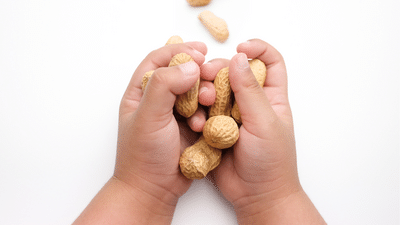
Babies can eat peanuts starting around 6 months of age, alongside other solids, once they are developmentally ready. According to the guidelines from the National Institute of Allergy and Infectious Diseases (NIAID), infants with severe eczema, egg allergy, or both may benefit from earlier introduction, as early as 4 to 6 months, since this lowers the risk of developing a peanut allergy. Peanuts should never be a baby's first solid food, and whole peanuts are never given to infants due to choking risk.
Why Doctors Now Recommend Early Peanut IntroductionDoctors once advised delaying peanuts until age two or three, believing this prevented allergies. Research proved the opposite: delaying peanut was linked to higher allergy rates, not lower. This evidence came from the landmark LEAP (Learning Early About Peanut Allergy) study, which found that early introduction of peanut led to an 81% reduction in peanut allergy among children considered high-risk.
Based on these findings, guidelines on peanut allergy prevention shifted in January 2017, recommending that infants with severe eczema, egg allergy, or both be introduced to peanut as early as 4 to 6 months, since this group carries the highest risk of developing peanut allergy.
After the change, a study by Children's Hospital of Philadelphia found peanut allergies dropped from 0.79% to 0.45% in populations that adopted early introduction.
How Does IAP Guidance Apply to Indian Babies?Peanut allergy is less common in India than in Western countries, largely because peanuts are an everyday part of Indian diets, appearing in chikki, chutneys, and curries. However, allergy rates are rising with urbanisation.
The Indian Academy of Pediatrics 2026 Delphi consensusrecognises peanut as one of the region-specific allergens relevant to Indian children, alongside milk, wheat, egg, fish, chickpea, lentils, and sesame.

What Are the Risk Categories for Peanut Allergy?Doctors classify infants by risk levelbefore advising on timing:
How to Introduce Peanuts Safely at HomeWhole peanuts, peanut chunks, and spoonfuls of thick peanut butter are all choking hazards for infants. Safe, age-appropriate forms include:
What Are the Signs of a Peanut Allergic Reaction?Mild reactions include hives, redness around the mouth, an itchy or runny nose, or vomiting. These usually stay confined to one part of the body and don't worsen quickly. Contact a paediatrician if a baby shows any of these signs after eating peanuts for the first time.
Severe reactions involve more than one part of the body at once and can include facial or lip swelling, a hoarse cry, or pale, floppy behaviour, difficulty breathing, or persistent vomiting, and need emergency medical care immediately.
Reactions typically begin within minutes of the first exposure, though in rare cases, symptoms can appear up to two hours later. Watch a baby closely for at least two hours after the first peanut feed, paying particular attention to the first 10 to 15 minutes. A baby can also react differently on different occasions, so a mild reaction in the past does not rule out a severe one later.
Starting peanut foods around 6 months, in an age-appropriate form, and continuing regularly, gives most babies the greatest chance of avoiding peanut allergy later in life.
Whether you’re pregnant, a new mom, or navigating postpartum, you don’t have to do it alone. Join our support group to connect, share, and support one another.
FAQs on When Can Babies Eat Peanuts? The Right Age and How to Introduce Them SafelyCan peanuts be given to a baby with eczema?
Yes, but babies with severe eczema should be evaluated by a paediatrician, and possibly tested for peanut allergy, before the first introduction.
What if my baby has a family history of nut allergy?
Family history alone does not put a baby in the high-risk category. Risk is based on the baby's own eczema severity and any existing food allergy; a paediatrician's assessment is still recommended.
How often should peanuts be given after the first try?
Regularly, ideally two to three times a week, to maintain tolerance once the first introduction has gone well.
Why Doctors Now Recommend Early Peanut IntroductionDoctors once advised delaying peanuts until age two or three, believing this prevented allergies. Research proved the opposite: delaying peanut was linked to higher allergy rates, not lower. This evidence came from the landmark LEAP (Learning Early About Peanut Allergy) study, which found that early introduction of peanut led to an 81% reduction in peanut allergy among children considered high-risk.
Based on these findings, guidelines on peanut allergy prevention shifted in January 2017, recommending that infants with severe eczema, egg allergy, or both be introduced to peanut as early as 4 to 6 months, since this group carries the highest risk of developing peanut allergy.
After the change, a study by Children's Hospital of Philadelphia found peanut allergies dropped from 0.79% to 0.45% in populations that adopted early introduction.
How Does IAP Guidance Apply to Indian Babies?Peanut allergy is less common in India than in Western countries, largely because peanuts are an everyday part of Indian diets, appearing in chikki, chutneys, and curries. However, allergy rates are rising with urbanisation.
The Indian Academy of Pediatrics 2026 Delphi consensusrecognises peanut as one of the region-specific allergens relevant to Indian children, alongside milk, wheat, egg, fish, chickpea, lentils, and sesame.
What Are the Risk Categories for Peanut Allergy?Doctors classify infants by risk levelbefore advising on timing:
- Low risk: No eczema, no known food allergy. Peanut foods can be introduced at home around 6 months, alongside other solids.
- Moderate risk: Mild to moderate eczema. These infants are considered at moderate risk of developing peanut allergy and can usually still introduce peanut at home, though a paediatrician's input helps.
- High risk: Severe eczema and/or egg allergy places an infant in the high-risk category, and paediatricians recommend allergy testing before introduction, ideally between 4 and 6 months. A skin prick or blood test is recommended before the first peanut feed for these babies.
How to Introduce Peanuts Safely at HomeWhole peanuts, peanut chunks, and spoonfuls of thick peanut butter are all choking hazards for infants. Safe, age-appropriate forms include:
- Thinned peanut butter: Mix 2 teaspoons of smooth peanut butter with 2–3 teaspoons of warm water, breast milk, or mashed banana until runny.
- Peanut powder in food: Stir a small amount of finely ground roasted peanut powder into dal, khichdi, or porridge.
- Peanut-based snacks: Once a baby is older and eating finger foods, well-crushed peanut mixed into soft foods works, but whole peanuts should wait until at least age 4–5, when the choking risk drops.
What Are the Signs of a Peanut Allergic Reaction?Mild reactions include hives, redness around the mouth, an itchy or runny nose, or vomiting. These usually stay confined to one part of the body and don't worsen quickly. Contact a paediatrician if a baby shows any of these signs after eating peanuts for the first time.
Severe reactions involve more than one part of the body at once and can include facial or lip swelling, a hoarse cry, or pale, floppy behaviour, difficulty breathing, or persistent vomiting, and need emergency medical care immediately.
Reactions typically begin within minutes of the first exposure, though in rare cases, symptoms can appear up to two hours later. Watch a baby closely for at least two hours after the first peanut feed, paying particular attention to the first 10 to 15 minutes. A baby can also react differently on different occasions, so a mild reaction in the past does not rule out a severe one later.
Starting peanut foods around 6 months, in an age-appropriate form, and continuing regularly, gives most babies the greatest chance of avoiding peanut allergy later in life.
Whether you’re pregnant, a new mom, or navigating postpartum, you don’t have to do it alone. Join our support group to connect, share, and support one another.
FAQs on When Can Babies Eat Peanuts? The Right Age and How to Introduce Them Safely
Yes, but babies with severe eczema should be evaluated by a paediatrician, and possibly tested for peanut allergy, before the first introduction.
Family history alone does not put a baby in the high-risk category. Risk is based on the baby's own eczema severity and any existing food allergy; a paediatrician's assessment is still recommended.
Regularly, ideally two to three times a week, to maintain tolerance once the first introduction has gone well.
READ NEXT
-
Strait Of Hormuz: India 'Closely Monitoring' 6 Ships, 166 Seafarers To Ensure Well-Being, Says MEA

-
Barcelona under siege: Europe’s giants shatter Flick’s transfer dreams

-
European T20 Premier League Unveils Inaugural 2026 Schedule, Season To Begin On August 26

-
'Jab We Met In London': Yuzvendra Chahal Reunites With Former RCB Teammate Chris Gayle; Shares Pics On Social Media

-
Maharashtra To Withdraw Cases Against Student Protesters; Supreme Court Steps In To Protect Minors