
A new interpretation of Clifford Odets ' classic play, Waiting for Lefty returned to the theatre in New York City. Performed by Marie Nieves Ellecosta and Parmeet Singh (from Ludhiana), the production marked a heart-touching revival of the piece, which is quite integral to the history of the theatre since it had previously been staged in the same theatre nearly a decade earlier under the direction of John DeSotelle.
One of the production's most memorable moments came during the Fourth Vignette, which tells the story of Florence and Sid, played by Marie and Parmeet, a young couple whose hopes for marriage are threatened by financial instability and unemployment. The essence of the drama in the piece comes from the incredible chemistry and intense conflict that both actors create.
Sid, played by Parmeet - who is all set to have his Off-Broadway debut at the 52nd Street Project, has a quiet intensity and an approachable vulnerability in his performance. Marie Nives Ellecosta’ Florence, contained within her, an appetite for life that is witnessed only a few times a decade on the stage. Her performance was beyond moving as Florence; it was inspirational and wholesome. Her portrayal captured the heartbreak, resilience, and emotional conflict of a young woman forced to choose between love and the harsh realities of poverty. Her authenticity, emotional honesty, and strong stage presence earned her a visceral response from the audience.
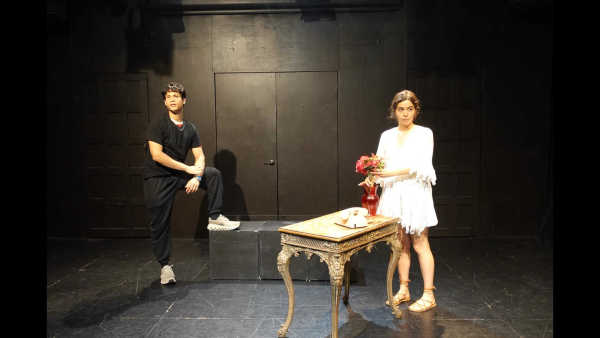
For this new production, veteran acting coach and director Steve Perlmutter drew upon more than three decades of experience to reimagine the play for today's audience. Rather than presenting it as a period piece, Perlmutter sought to emphasize the timeless relevance of Odets' writing by giving the production a more contemporary rhythm and emotional realism. His vision was supported by a diverse ensemble of performers from New York City's vibrant theatre community, bringing fresh perspectives to characters originally written nearly a century ago.
First performed in 1935, the play follows a group of taxi drivers debating whether to strike for fair wages while a series of interconnected vignettes explores themes of economic hardship, injustice, love, dignity, and the struggle for a better future. Its urgent political and emotional message made it an immediate success, leading to productions across the United States and later in London, where it continues to be revived for contemporary audiences.
-
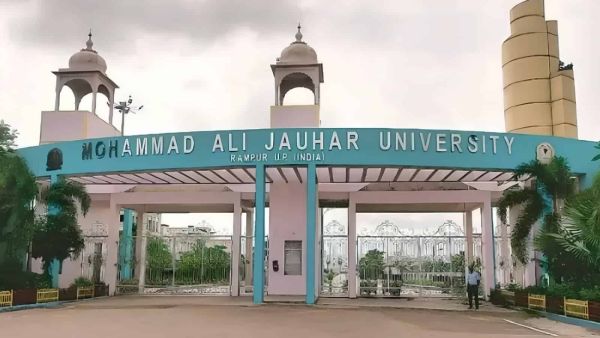
Keep the bulldozers away from Jauhar University
-
India lose to China in FIH Youth Hockey5s Asian final, seal World Cup berth

-
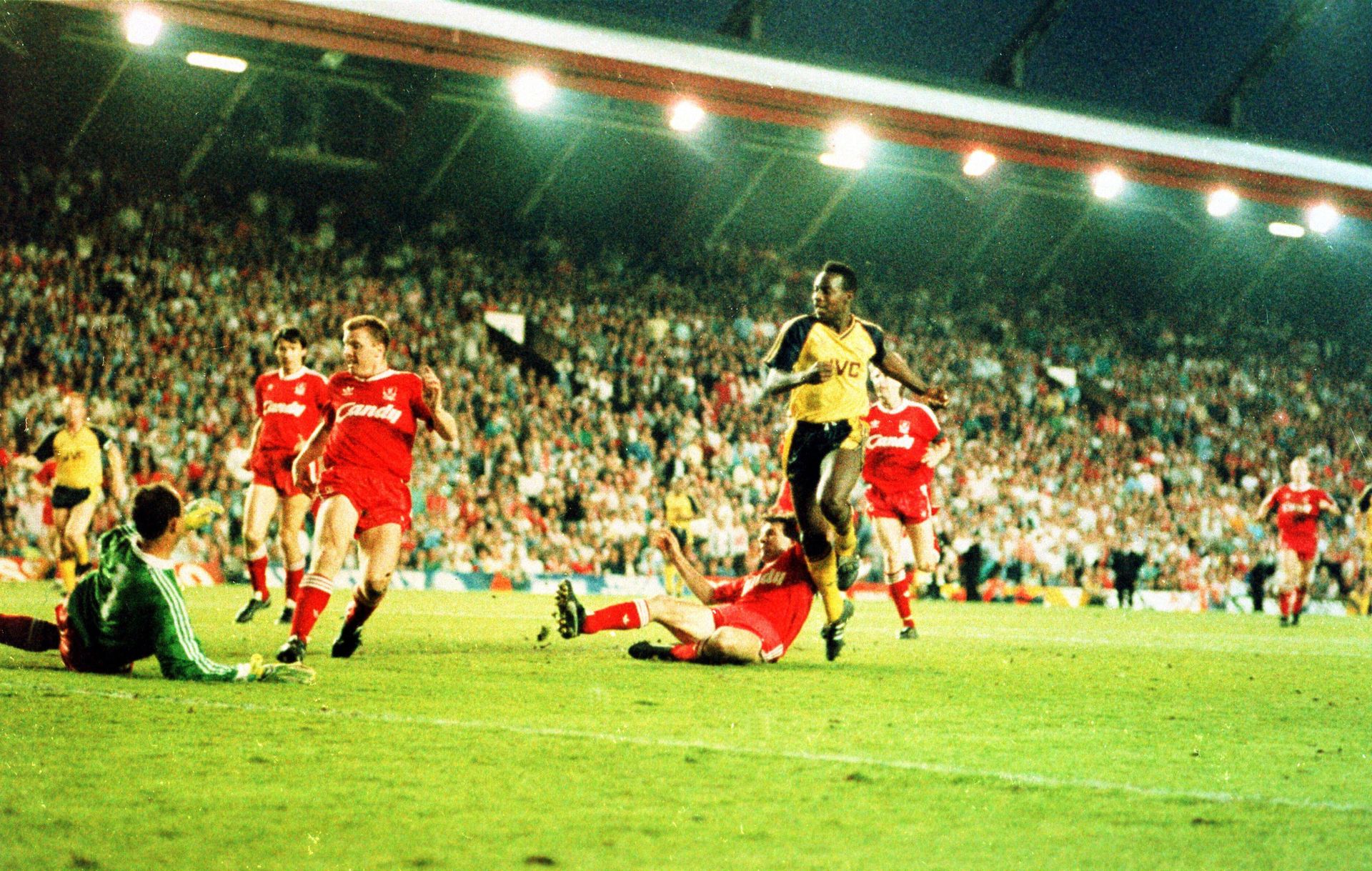
“The farther you move away from Arsenal’s title win at Anfield, the more special it feels, because it is a game that will never be repeated, a special, special night” Alan Smith on Arsenal’s famous 1989 title decider
-
Five Clubs Join Everton in Race for Bologna Winger Jonathan Rowe

-
What is the 5:1 parenting rule? The science-backed habit linked to happier families