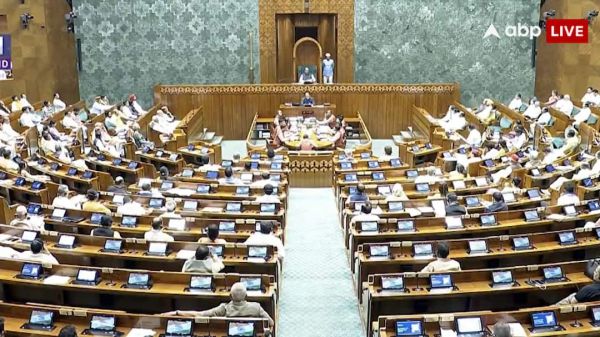
The Centre is set to introduce the Public Examinations (Prevention of Unfair Means) Amendment Bill, 2026 in the Lok Sabha on Tuesday, seeking to significantly strengthen the legal framework against examination paper leaks and other unfair practices.
Union Minister Jitendra Singh is expected to table the Bill in the Lower House at around 12 noon, while a discussion on the proposed legislation is likely to begin from 2 pm.
Several NDA allies are expected to participate in the discussion in the Lok Sabha. According to sources, Anupriya Patel (Apna Dal), Shrikant Shinde (Shiv Sena), Arun Bharti (Lok Janshakti Party-Ram Vilas), Sayoni Ghosh (NCPCI) and Krishna Devarayalu (Telugu Desam Party) are likely to speak during the debate.
The Bill is expected to be one of the government's key legislative priorities during the ongoing Monsoon Session, amid growing concerns over repeated paper leak incidents and demands for stricter action against those involved in examination fraud.
Fast-Track Courts, Time-Bound Investigation
The amendment seeks to overhaul the existing Public Examinations (Prevention of Unfair Means) Act, 2024, which was enacted to curb malpractice in examinations conducted by agencies such as the UPSC, Staff Selection Commission (SSC), National Testing Agency (NTA), Railways and banking recruitment bodies.
A key feature of the proposed law is the creation of fast-track courts in every state and Union Territory to exclusively hear cases related to paper leaks and unfair means in public examinations.
The Bill mandates that investigations into such cases be completed within two months, while the designated courts will conduct day-to-day hearings and aim to complete trials within three months of the filing of the chargesheet.
The legislation also empowers the Central government to constitute a special task force to investigate major examination frauds whenever required.
Stricter Punishment For Paper Leak Accused
The proposed amendments substantially enhance penalties for those found guilty of leaking question papers or resorting to unfair means.
Under the proposed amendments, individuals found guilty of leaking question papers or resorting to unfair means could face imprisonment ranging from five to 10 years, along with a fine of up to Rs 50 lakh.
For organised paper leak syndicates, the Bill prescribes a minimum sentence of seven years and fines of up to Rs 10 crore.
The proposed law also identifies 15 punishable offences, including leaking question papers, tampering with OMR sheets, creating fake examination websites, issuing fake admit cards and other acts intended to compromise the integrity of public examinations.
Bill Follows Paper Leak Row
The amendments come in the wake of widespread protests over alleged examination irregularities, particularly the NEET paper leak controversy. Amid growing public pressure, Prime Minister Narendra Modi had announced that the government would bring a stronger law to deal with paper leak cases and ensure that accused are tried through fast-track courts.
The proposed legislation is expected to be one of the government's key legislative priorities during the ongoing Parliament session. It also lays down norms for pre- and post-examination processes, including biometric registration, security protocols, examination centre readiness, question paper handling, invigilation and reporting of unfair means.
-
'Sorry you were so consumed by hate!' - Gianni Infantino lashes out at FIFA critics after 'most outstanding' World Cup

-
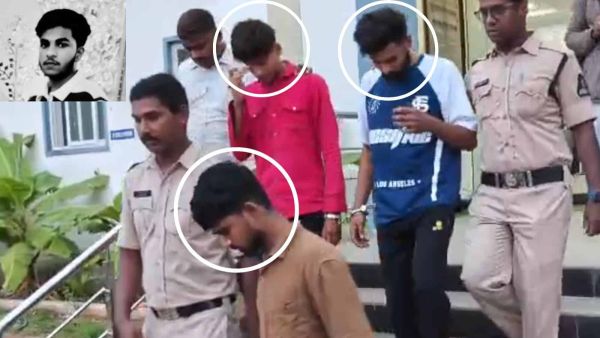
17-year-old Kalapathar murder: Three held in Chandrayangutta
-
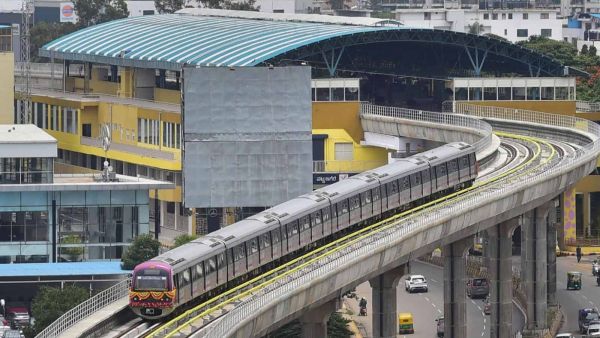
Man jumps before Bengaluru metro train, services disrupted
-
Bandipur safari fare hike sparks backlash from wildlife enthusiasts

-
‘My Efforts Were Genuine’: Dhanush Breaks Silence On Controversy Over Winning 2 National Awards In One Year