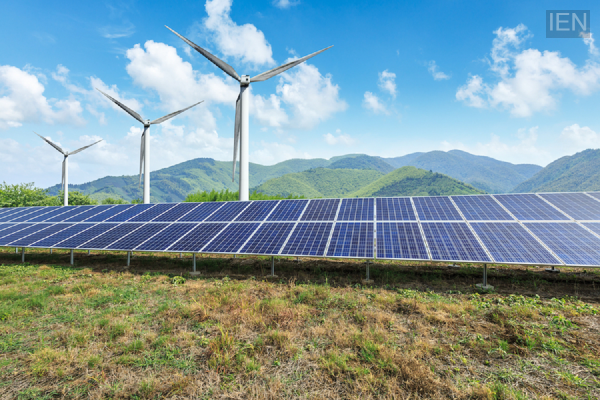
Wind vs. Solar Energy: Both wind and solar are considered clean energy sources, but which one is cleaner and more efficient? In this article, we compare the two.
Wind vs. Solar Energy: Both wind and solar are major sources of renewable energy. Both are limitless and generate no greenhouse gases during electricity production. They do not cause pollution, which helps mitigate global warming. In terms of cost, solar and wind energy are cheaper than fossil fuels in most locations. While both are more advantageous than oil and coal, which source is more efficient—solar or wind? Today, we will compare the two and look at their respective pros and cons.
Wind vs. Solar Energy: Which is More Efficient?
When it comes to efficiency, wind energy takes the lead. Wind turbines convert approximately half of the wind passing through them into electricity; this means their efficiency is around 50 percent. Solar panels, on the other hand, lag behind in this regard, typically offering an efficiency of 20–25 percent. This means they can convert only about 25 percent of the sunlight falling on them into electricity.
What are the Pros and Cons of Wind Energy?
Pros
Beyond efficiency, wind energy also holds an advantage regarding availability. Modern turbines can generate electricity even from very slow-moving winds. As wind speed increases, electricity production rises accordingly. Wind turbines continue to generate electricity even at night when the wind blows; unlike solar panels, they do not operate solely during daylight hours.
In recent times, the size of wind turbines has increased. According to the World Economic Forum, wind turbines have become approximately 60 percent taller. This is crucial because wind speeds increase with altitude. While airflow near the ground is obstructed by buildings, trees, and other obstacles, there are no such issues at greater heights; consequently, taller turbines generate more electricity.
Disadvantages
A major drawback of wind energy is that turbines cannot be installed just anywhere. Although small turbines designed for homes are now available, their usage remains limited. Wind turbines require open space. Additionally, their operation generates significant noise, necessitating their installation far away from residential areas. This is why they haven’t become as ubiquitous in households as solar panels. High costs also hinder their widespread adoption; large wind turbines require a substantial financial investment.
What are the pros and cons of solar energy?
Disadvantages
As previously mentioned, solar panels have lower efficiency and do not function at night. Their efficiency also drops during the rainy season when clouds obscure the sun. Therefore, they cannot be considered a completely reliable source of energy.
Another downside is that solar panels are made from silicon and other rare metals, which require mining. Mining hurts the climate; considering this, solar energy is not as “clean” a source as wind energy.
Advantages
Despite their lower efficiency, solar panels are widely used. Ease of installation and maintenance is the primary reason for this. Installing solar panels is straightforward and does not require extensive space; they can easily be set up on a home balcony or rooftop. Moreover, they are significantly more affordable than wind turbines. Once installed, the panel requires minimal maintenance and will continue converting sunlight into electricity for many years. It operates silently and does not require a vast amount of open space.
-
Ajinkya Rahane Shares How Father's Quiet Sacrifice Built His Career

-
UGC NET 2026 Answer Key Delay Sparks Anxiety Among Aspirants, NTA Yet To Respond

-
Berlin Pride Attack: Suspect Shot Dead After Van Ramming Kills 1, 29 Injured

-
Supreme Court To Hear Kapil Sibal’s Plea Challenging Anti-Defection Law’s Merger Provision

-
Omar Abdullah Slams Mehbooba Mufti Over Jantar Mantar Remarks, Demands Apology