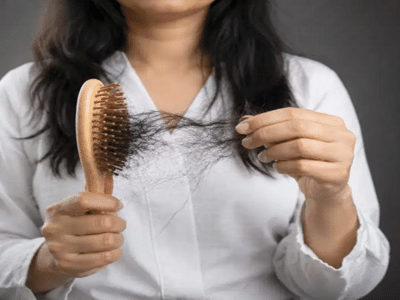
Losing a few strands of hair every day is completely normal. Hair naturally goes through a cycle of growth, rest, and shedding. However, when hair loss becomes excessive, continues for weeks, or is accompanied by other symptoms, it may signal an underlying health condition rather than a routine part of the hair growth cycle.
While stress, poor nutrition, and seasonal changes can contribute to hair fall, persistent or sudden hair loss should never be ignored. Identifying the root cause early can help prevent further damage and improve the chances of successful treatment.
Health Conditions That Can Trigger Hair Loss Alopecia AreataAlopecia areata is an autoimmune condition in which the immune system mistakenly attacks healthy hair follicles. It often causes sudden, round patches of hair loss on the scalp or beard. Some people experience spontaneous regrowth, while others may require medical treatment.
Thyroid DisordersBoth an underactive and an overactive thyroid can interfere with the normal hair growth cycle. As hormone levels become imbalanced, hair may become thinner, weaker, and more prone to shedding. Treating the thyroid condition often helps improve hair health.
Scalp Fungal InfectionA fungal infection of the scalp can lead to itching, redness, flaking, and noticeable hair loss. If left untreated, the infection may spread and cause further damage to the scalp. Early diagnosis and treatment are important for recovery.
LupusLupus is another autoimmune disorder that can affect the skin, joints, and several organs. Hair thinning or rapid hair loss can occur as part of the disease or during flare-ups. Medical evaluation is necessary if lupus is suspected.
TrichotillomaniaTrichotillomania is a mental health condition in which a person has an uncontrollable urge to pull out their own hair. Over time, this can create visible bald patches and damage hair follicles. Professional medical and psychological support can help manage the condition.
Signs You Shouldn't IgnoreHair loss may require medical attention if you notice:
-
Sudden or excessive shedding.
-
Noticeable thinning or widening of the hair part.
-
Bald patches on the scalp or beard.
-
Persistent hair fall lasting several weeks.
-
Itching, redness, pain, burning, or scaling of the scalp.
-
Hair loss affecting other parts of the body.
-
Unexplained hair loss in children.
If hair loss begins affecting your confidence or causes emotional distress, seeking medical advice is also recommended.
Simple Ways to Support Healthy HairHealthy hair starts with healthy habits. To reduce the risk of unnecessary hair loss:
-
Eat a balanced diet rich in protein, iron, zinc, and essential vitamins.
-
Get adequate sleep every night.
-
Manage stress through exercise, yoga, or relaxation techniques.
-
Avoid frequent heat styling and harsh chemical treatments.
-
Use gentle hair care products suitable for your scalp.
-
Avoid tightly tying your hair for long periods, as this can strain the roots.
While these habits can support overall hair health, they may not treat underlying medical conditions.
The Bottom LineHair shedding is a normal part of the hair growth cycle, but persistent, sudden, or patchy hair loss should not be dismissed as a cosmetic issue. In some cases, it may be linked to conditions such as thyroid disorders, autoimmune diseases, scalp infections, or mental health concerns. If your hair loss is worsening or accompanied by scalp changes or other symptoms, consulting a doctor can help identify the cause and ensure you receive the right treatment before the problem progresses.
-
IPO-Bound PhonePe Bets On Transaction Data Monetisation With PulsePro

-
Saransh Jain's Journey to Team India: A Testament to Perseverance

-
Ajinkya Rahane Retires: A Tribute to His Legacy in Indian Cricket

-
From Struggles to Stardom: An Actor's Inspiring Journey in the Entertainment Industry

-
Meet the Star-Studded Contestants of 'Traitors' Season 2: Who Will Outwit Whom?