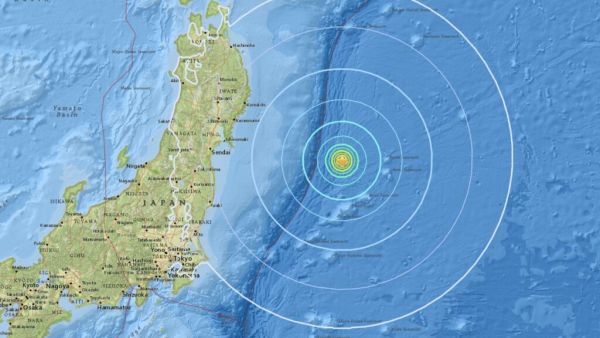
Tokyo: There was an intense earthquake measuring 7.1 magnitude that struck the southern island of Kyushu in Japan on Tuesday, leading to a tsunami warning and evacuation orders for those living in the coastal areas.
According to Japan Meteorological Agency (JMA), the quake struck Kumamoto prefecture, with its epicenter occurring at 10 kilometers below the sea level.
Warning Over Tsunami Waves After Earthquake
After the earthquake, a warning was issued from the authorities that waves of up to one meter could strike the affected coastlines. Those people residing in the coastal areas were asked to seek safer shelters.
According to Japanese media reports, waves of one-meter height could be seen in certain places.
Government Takes Step to Assess Possible Damage Caused by the Tremor
The Prime Minister’s Office of Japan had told the authorities that it was their prime task to assess the situation immediately and gather information to any damage caused by the tremor.
There were no immediate reports about any casualties or destruction as a result of the earthquake.
History of Earthquakes in Japan
Japan is still regarded as one of the countries with the highest risk of earthquakes because of its geographical position near the “Pacific Ring of Fire” area where several tectonic plates intersect.
Every year Japan witnesses many earthquakes, although their effects can be very different depending on their intensity, depth, and position of occurrence.
However, Japan still remembers the 9.0 magnitude earthquake and tsunami of 2011, which resulted in the deaths of thousands of people and the Fukushima nuclear disaster.
The new tremor occurred after another powerful earthquake struck Japan.
-
Real Madrid put Rodri move on hold for now as club prioritises Yan Diomande signing

-
Financial Horoscope Today, July 31, 2026: Taurus Will Achieve Great Success, Know the Status of Other Signs

-
Woman arrested while purchasing new born in Hyderabad’s Balapur

-
8th Pay Commission: Can Minimum Basic Pay Rise from ₹18,000 to ₹69,000? Here's the Calculation Behind the Demand

-
Deluge with monsoon deficit is India's new climate normal